

Maddy summaryThis bill reauthorizes the National Alzheimer's Project Act through 2035 (extending the previous deadline of 2025) and adds new requirements to promote healthy aging and reduce Alzheimer’s risk factors. It mandates the program to provide information on healthy behaviors that may lower cognitive decline risk and expands the advisory group to include representatives from agencies like the Department of Justice, FEMA, and Social Security Administration, plus experts with diverse clinical trial experience. The bill directly affects Alzheimer’s research, care programs, and the federal advisory group overseeing national efforts. Key changes include requiring annual evaluations instead of initial ones and adding a focus on reducing health disparities in Alzheimer’s initiatives.
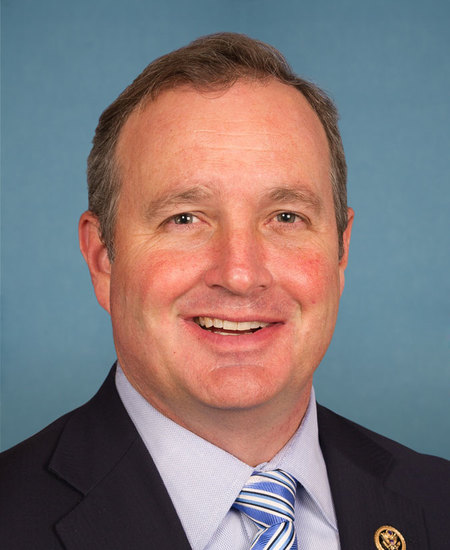
Rep. Jeff Duncan
Sponsored bills
Maddy summaryHJRES 138 is a joint resolution seeking congressional disapproval of a Centers for Medicare & Medicaid Services (CMS) rule that would have clarified eligibility for health insurance subsidies under the Affordable Care Act for Deferred Action for Childhood Arrivals (DACA) recipients and certain noncitizens. The rule, submitted on May 8, 2024, aimed to allow these individuals to access premium tax credits, cost-sharing reductions, and health plans through ACA marketplaces. This resolution, if enacted, would block the rule from taking effect under the Congressional Review Act, directly preventing DACA recipients and the specified noncitizens from qualifying for these benefits. The bill does not create new policy but halts an existing regulatory clarification.
Interstate Milk Freedom Act of 2024 This bill prohibits federal regulation of the interstate traffic of unpasteurized milk or milk products packaged for direct human consumption under specified circumstances. Specifically, the prohibition applies if such products (1) would be considered in violation of federal law solely because they are unpasteurized; (2) are allowed by the state of origin to be distributed for direct human consumption by any means; (3) are produced, packaged, and moved in compliance with the laws of such state; and (4) are moved from the state of origin with the intent to transport them to another state that allows the distribution of such products for direct human consumption.
Maddy summaryHouse Joint Resolution 147 seeks to disapprove an Occupational Safety and Health Administration (OSHA) rule that would have established a process for workers to designate a representative to accompany OSHA inspectors during workplace safety inspections. The rule, published in the Federal Register on April 1, 2024, aimed to formalize this "walkaround" representative process during inspections. Under a federal disapproval procedure (Chapter 8 of Title 5, U.S. Code), this resolution would invalidate the rule if passed. As a result, the designated representative process would not take effect, meaning OSHA inspections would proceed without this specific worker representation mechanism.
Maddy summaryHR 8421 would abolish the Federal Reserve Board of Governors and all Federal Reserve Banks, ending the U.S. central banking system as currently structured. The bill requires a one-year wind-down period during which the Fed Chairman manages employee compensation, asset liquidation, and debt settlement, with all assets transferred to the Treasury and liabilities assumed by the Secretary of the Treasury. It repeals the Federal Reserve Act and mandates a joint Treasury-OMB report to Congress within 18 months detailing implementation progress. This bill directly affects the Federal Reserve System's operations and structure, not the general public or financial markets.
Maddy summaryHJRES 143 is a congressional resolution seeking to block a Department of Labor rule that would amend specific exemptions for retirement investment transactions. The bill targets a rule (published April 25, 2024) that would change how retirement funds can invest, particularly affecting retirement plan providers and fiduciaries managing employee savings. It directs Congress to disapprove the rule under a specific federal law, meaning the rule would not take effect if passed. This is a procedural step to halt the rule's implementation, not a new policy change.
Maddy summaryHJRES 140 is a resolution requesting Congress to disapprove a Department of Labor rule that amended Prohibited Transaction Exemption 2020-02. The rule, published in the Federal Register on April 25, 2024, would have changed how retirement plan fiduciaries can engage in certain investment transactions, specifically affecting retirement account providers and administrators. If approved, this resolution would block the rule from taking effect, directly impacting entities managing retirement funds that rely on the exemption framework. The bill uses the statutory disapproval process under Chapter 8 of Title 5, U.S. Code, to halt the rule’s implementation.
Maddy summaryH.J.Res. 141 is a congressional resolution disapproving a Department of Labor rule (89 Fed. Reg. 32302, April 25, 2024) that amended Prohibited Transaction Exemption 84-24. This rule would have changed regulations governing retirement investment transactions, specifically affecting how financial institutions and retirement plan administrators handle certain transactions. The resolution, if passed, would block the rule from taking effect by invoking the disapproval process under Title 5 of the U.S. Code. It directly impacts retirement plan providers and financial firms that rely on this exemption for investment activities. The bill does not create new policy but seeks to prevent the implementation of the specific Department of Labor rule.
Maddy summaryHRES 1210 is a non-binding House resolution condemning the Biden administration's border policies as the cause of a crisis that burdens law enforcement. It claims these policies led to record illegal border crossings, security threats (including encounters with individuals on terrorist watch lists), and increased crime involving migrants, citing specific incidents like assaults on officers and violent crimes. The resolution urges the administration and local officials to support law enforcement and recognizes the mental, physical, and psychological stress faced by officers. As a symbolic resolution, it does not enact legal changes but expresses the House's position on border policy.
Maddy summaryHR 8410, the "Let Trump Speak Act," prohibits judges from issuing gag orders (court orders restricting speech) in criminal or civil cases, except to protect confidential information, minors' privacy, or as part of a plea agreement. It directly affects defendants in court cases who face such orders by granting them the right to file a civil lawsuit seeking an injunction if a gag order violates this law. The bill establishes a clear legal mechanism for challenging improper gag orders while explicitly stating it does not limit a judge's authority to issue orders to court officers. This is a procedural change to court procedures affecting all defendants in federal and state cases.