

Maddy summaryHR 7389, the Accessible Voting Act of 2024, requires states to improve voting accessibility for individuals with disabilities, older voters (60+), Native Americans, Alaska Natives, and people with limited English proficiency. The bill establishes an Office of Accessibility within the Election Assistance Commission to oversee implementation, mandates accessible election websites with detailed voting information, and requires polling places to meet accessibility standards. It expands access to absentee voting procedures and provides federal funding to help states implement these requirements. The bill aims to address documented barriers to voting, including architectural barriers at polling places and challenges in absentee ballot processes. It will take effect for elections held on or after January 1, 2025.
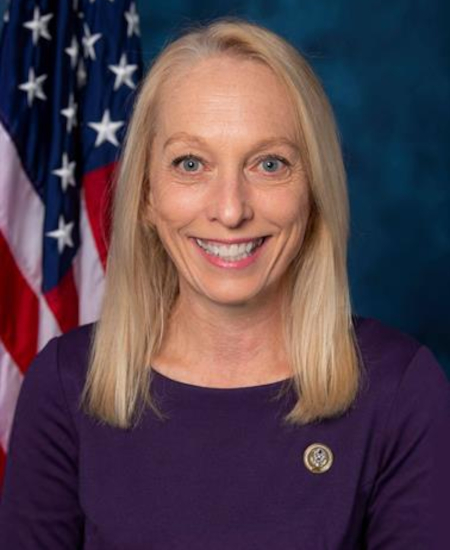
Rep. Mary Gay Scanlon
Sponsored bills
Maddy summaryHRES 966 is a symbolic resolution condemning alleged sexual violence committed by Hamas during its October 7, 2023, attack on Israel. It specifically references eyewitness accounts, forensic evidence, and Hamas fighters' admissions of ordering gang rape, sexual mutilation, and assault against Israeli civilians. The resolution calls for international condemnation of such acts as weapons of war, urges nations to criminalize sexual violence, and supports investigations into Hamas' actions. As a non-binding resolution, it does not create new laws or directly affect any individuals but formally expresses the House's position on the issue.
Maddy summaryHR 7350, the AID Local Government Leadership Act, provides federal grants to local governments to cover reasonable accommodations for elected or appointed officials with disabilities. The bill directly affects small or rural local governments (populations under 10,000, rural areas, or communities with high poverty rates) that elect or appoint officials with disabilities. Key provisions include $3,000-$50,000 annual grants per official for work-related accommodations like office modifications, specialized software, sign language interpreters, or communication supports, requiring local governments to match 25% of funds and maintain a dedicated funding account for four years. Grants cover the official’s first term plus two years, with annual reports to Congress tracking grant usage, community demographics, and accommodation types. The program aims to address underrepresentation of people with disabilities in local government by ensuring necessary support is funded.
Maddy summaryThis bill prevents people with disabilities from losing federal benefits while campaigning for elected office. It ensures that campaign work and any income earned from it (like paid campaign roles) are not counted when determining eligibility for Social Security benefits (SSI or SSDI) or other federally funded state/local programs. Specifically, it applies to individuals already receiving disability benefits under Social Security Title II or XVI. The law directly affects disabled candidates running for federal, state, or local office by removing a financial barrier to participating in elections.
Maddy summaryHR 2426, the Find and Protect Foster Youth Act, requires the federal government to evaluate state and tribal child welfare systems' protocols for identifying and responding to children missing from foster care. It mandates the Secretary to identify obstacles in these systems, share best practices, and provide technical assistance to states and tribes on tracking missing youth and improving services. The bill also specifically requires improved screening for sex trafficking risk when children return to foster care after running away, including new tools for caseworkers to assess trafficking risk and document appropriate services. These changes directly affect foster youth, particularly those missing or at risk of exploitation, and the states and tribes managing foster care systems. The law authorizes funding through fiscal year 2027 to support these efforts.
Maddy summaryThis bill amends existing law to shift administrative responsibility for funding river basin commissions from the Secretary of the Army to the Administrator of the Environmental Protection Agency (EPA). It specifically updates provisions related to the Susquehanna, Delaware, and Potomac River Basin Commissions, changing references from "Secretary" to "Administrator" in funding-related sections. The bill does not create new funding but clarifies that the EPA Administrator (or their designee) will oversee existing funding mechanisms for these commissions. It directly affects the operations of the three river basin commissions by changing their primary federal point of contact for funding administration.
Maddy summaryHR 7261, the Reimagining Inclusive Arts Education Act, creates a federal grant program to improve arts education access for children with disabilities in K-12 schools. The bill authorizes $15 million over five years (2025-2029) to fund competitive grants for eligible entities like school districts, state agencies, or partnerships with colleges/nonprofits. Grant recipients must use funds to adapt arts curricula, provide professional development for arts educators, and incorporate creative arts therapies (like music or dance) to increase inclusion and accessibility for students with disabilities. Priority is given to schools receiving Title I funding, and grants last up to three years with possible renewal based on program success.
Maddy summaryHR 7210, the Help America Run Act, allows campaign funds to cover essential personal expenses like child care, elder care, and health insurance premiums for candidates running for office. This amendment to the Federal Election Campaign Act (Section 313) treats these payments as authorized campaign expenses if necessary for campaign activities, while limiting total payments to the same cap as candidate salary. The bill directly affects working parents, caregivers, and lower-income candidates who might otherwise be unable to run due to unaffordable basic living costs. It aims to remove financial barriers that currently prevent many everyday Americans from seeking office, particularly impacting working mothers and caregivers. The policy change does not alter overall campaign finance limits but expands permissible uses of campaign funds for critical personal needs.
Maddy summaryHR 7127, the FAIR Act, establishes pay adjustments for federal employees in 2025. It increases base pay by 4% for most federal workers under statutory pay systems and for "prevailing rate" employees (like those in specific geographic areas), while raising locality pay rates by 3.4%. The bill directly affects all federal employees receiving pay under these systems, as it modifies their 2025 salary calculations. These changes are based on statutory formulas under Title 5 of the U.S. Code, with no new policy mechanisms beyond the specified percentage increases. The adjustments apply to pay rates in effect as of the end of fiscal year 2024.
Maddy summaryHRES 983 is a non-binding resolution recognizing January 2024 as "National Mentoring Month" to highlight the value of mentoring relationships. It acknowledges mentors (including program staff and volunteers) and emphasizes mentoring's benefits for youth development, such as improved academic performance, career readiness, and mental well-being. The resolution promotes expanding quality mentoring programs nationwide but does not create new laws or allocate funding.