

Maddy summaryHRES 979 is a non-binding resolution urging the FDA to streamline approval of less harmful tobacco alternatives (like e-cigarettes or heated tobacco products) for adult smokers who continue using tobacco. It calls on public health agencies, including the CDC, to educate consumers about harm reduction and promote science-based approaches to tobacco control. The resolution also directs U.S. agencies to encourage the World Health Organization to recognize harm reduction as a key strategy in global tobacco control efforts. It does not create new laws but seeks to shift policy toward prioritizing safer alternatives over solely focusing on smoking cessation. The resolution directly affects FDA regulatory processes, public health messaging, and international tobacco control policy coordination.
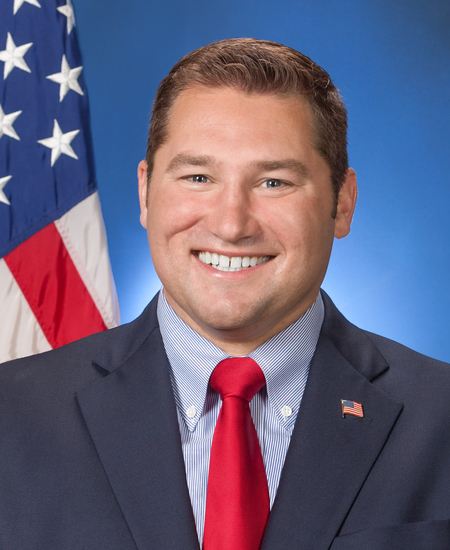
Rep. Guy Reschenthaler
Sponsored bills
Maddy summaryHRES 993 is a non-binding congressional resolution designating February as "Career and Technical Education (CTE) Month" to celebrate CTE programs nationwide. It supports CTE as a pathway preparing students for high-demand, skilled careers in fields like infrastructure and technology, recognizing that over 12 million students currently participate in CTE programs across high schools and colleges. The resolution encourages educators, counselors, and parents to promote CTE as a respected educational option, highlighting its role in reducing high school dropout rates and aligning student skills with workforce needs. It does not create new laws or allocate funding, but symbolically affirms bipartisan support for CTE, referencing the 1917 Smith-Hughes Act as foundational to current efforts.
Maddy summaryThis bill repeals a law (18 U.S.C. § 1715) that previously prohibited mailing firearms without a license. It directly affects the U.S. Postal Service, firearm sellers, and individuals mailing firearms by preventing the Postal Service from creating rules that would block firearm mailings or require disclosure of sensitive records like sales receipts or firearm serial numbers. Key provisions include removing the existing ban on mailing firearms and prohibiting the Postal Service from imposing new restrictions on firearm mailings or demanding customer transaction data. The bill ensures that firearm mailings can proceed without these specific federal restrictions, while applying to ongoing legal cases under the repealed law.
Maddy summaryHR 7185 reauthorizes the High Intensity Drug Trafficking Areas (HIDTA) program through 2030, with specific focus on fentanyl. It allocates $302 million annually for HIDTA operations and adds $14.2 million yearly for grants to enhance fentanyl seizure efforts through competitive grants. The bill requires annual reports detailing fentanyl seizures and trafficking data, and directs the Attorney General to assign at least 16 assistant U.S. attorneys to prioritize fentanyl trafficking cases. This directly affects federal drug task forces, law enforcement agencies, and prosecutors working on fentanyl-related investigations.
Maddy summaryHR 7171, the Distribution Transformer Efficiency and Supply Chain Reliability Act of 2024, prevents the Department of Energy from finalizing rules requiring liquid-immersed or dry-type distribution transformers to meet efficiency standards stricter than "trial standard level 2" (as outlined in a 2023 proposed rule). The bill also mandates that any finalized rule implementing "trial standard level 1" or "level 2" efficiency standards cannot take effect for at least 10 years after the rule's finalization date. This directly affects transformer manufacturers and utilities by delaying stricter efficiency requirements and providing extended compliance timelines. The bill aims to stabilize the supply chain for these critical grid components by limiting near-term regulatory changes.
Maddy summaryHR 6873 requires the Department of Veterans Affairs (VA) to include suicide rate data for former Reserve members who were never activated for active duty in its annual National Veteran Suicide Prevention Report. Specifically, the bill directs the VA Secretary (with Defense Department consultation) to add "covered Reserves" statistics - defined as former Reserve members who never served in active military service - to each report. This change addresses a gap noted in VA reports since 2020, which previously excluded data on this group despite 538 suicides among them in 2018. The bill does not alter benefits or services but mandates expanded data collection for transparency in suicide prevention reporting.
Maddy summaryHR 6918 blocks a specific federal regulation that would have restricted funding for pregnancy centers. It prohibits the Health and Human Services Secretary from finalizing, implementing, or enforcing a proposed rule (described in a Federal Register notice) affecting pregnancy center funding. The bill directly affects pregnancy centers - defined as organizations supporting maternal and fetal life and providing services like counseling, pregnancy testing, and material support (e.g., diapers, baby clothes). This is a procedural measure preventing a regulatory change, not creating new programs or altering existing funding.
Maddy summaryHR 7014, the Protect Medicaid Act, prohibits federal Medicaid funding for the administrative costs associated with providing health benefits to noncitizens who are not lawfully admitted permanent residents and are ineligible for Medicaid due to immigration status. It directly affects states that currently offer health benefits to such noncitizens, requiring them to cover administrative expenses through state funds instead of federal Medicaid dollars. The bill amends federal law to add a specific prohibition on using federal funds for these administrative costs, while leaving the provision of medical care itself unaffected. Additionally, it mandates an Inspector General report analyzing how states separate administrative costs, ensure compliance, and finance these programs, including impacts on drug pricing. The law focuses solely on administrative funding, not on restricting medical benefits for eligible individuals.
Maddy summaryHRES 882 is a non-binding resolution passed by the U.S. House of Representatives on November 21, 2023, declaring support and gratitude to food banks, food pantries, and community-based organizations addressing food insecurity. It recognizes these groups' work in serving over 5 billion meals annually, rescuing wasted food (nearly 118 billion pounds yearly), and supporting vulnerable populations including 44.2 million people in food-insecure households in 2022. The resolution specifically acknowledges their role in providing emergency aid, nutrition education, and disaster response, while highlighting that 55% of food-insecure households did not access federal nutrition programs. It does not create new policies or funding but formally commends these organizations' contributions to reducing food insecurity and improving community health.
Maddy summaryThe Death Tax Repeal Act would eliminate the federal estate tax and generation-skipping transfer tax for estates of people who die on or after the bill's enactment date, and for generation-skipping transfers made after that date. It would also establish a new $10 million lifetime gift tax exemption (adjusted annually for inflation) and replace the existing gift tax rate schedule with a revised structure. These changes would primarily affect high-net-worth individuals and their heirs, as the estate tax and gift tax typically apply to large estates or gifts exceeding the new exemption threshold. The bill's provisions would take effect on the date of enactment, with transitional rules for the year the bill is signed into law.