

Chiropractic Medicare Coverage Modernization Act of 2025 This bill expands Medicare coverage of chiropractic services to include all services provided by chiropractors, rather than only subluxation corrections through manual manipulation of the spine.
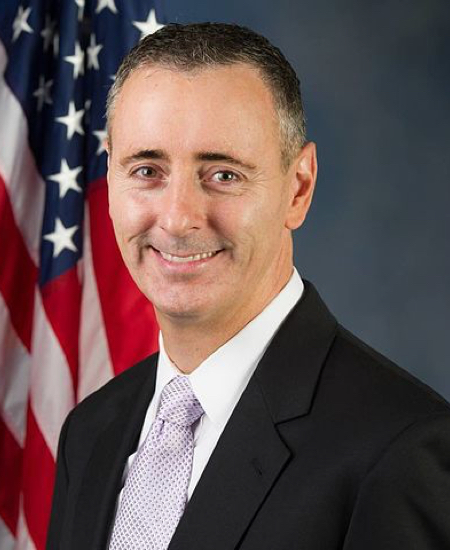
Rep. Brian K. Fitzpatrick
Sponsored bills
This bill increases the annual limit on the tax credit for qualified railroad track maintenance expenses (also referred to as the short line railroad tax credit) and expands eligibility for claiming the credit. Under current law, the tax credit is limited each tax year to $3,500 multiplied by the sum of the number of miles of railroad track owned or leased by the taxpayer (miles owned or leased) and the number of railroad track miles assigned to the taxpayer by a Class II or III railroad (miles assigned). This bill increases the annual limit to $6,100 multiplied by the sum of miles owned or leased and miles assigned. The $6,100 amount used in the calculation of the tax credit limit is adjusted for inflation for tax years beginning after 2025. The bill also expands eligibility for the tax credit to include gross expenses for maintaining railroad tracks owned or leased as of January 1, 2024. Under current law, the tax credit is limited to gross expenses for maintaining railroad tracks owned or leased as of January 1, 2015.
Maddy summaryHR 476, the "No Russian Tunnel to Crimea Act," requires the U.S. President to impose sanctions on foreign individuals or entities that knowingly help build, maintain, or repair any tunnel or bridge connecting Russia to Crimea. The bill directly affects foreign businesses or officials involved in such infrastructure projects, which the bill states would support Russia’s occupation of Crimea - internationally recognized as Ukrainian territory. Key mechanisms include blocking U.S. assets of sanctioned parties and barring them from entering the U.S. via visa restrictions, with exceptions for humanitarian aid and certain national security activities. The legislation targets potential infrastructure projects discussed between Russian and Chinese officials in late 2023, aiming to disrupt Russia’s military use of Crimea during its invasion of Ukraine.
Maddy summaryHR 540, the 911 SAVES Act of 2025, seeks to correct the classification of public safety telecommunicators in the federal Standard Occupational Classification (SOC) system. It directs the Office of Management and Budget to consider creating a separate SOC code for these professionals within protective service occupations during the next system revision. This change would recognize their unique role in handling high-stress emergency calls - such as those involving missing children, active shooters, or law enforcement safety threats - and better align the SOC with their actual duties. If the OMB declines the change, it must submit a report to Congress explaining the decision within 60 days. The bill does not alter funding, services, or operational procedures for 911 centers.
Maddy summaryHR 500, the Medicare Hearing Aid Coverage Act of 2025, removes Medicare's longstanding exclusion of hearing aids and related examinations from coverage. This change would directly affect Medicare beneficiaries with hearing loss by allowing them to receive coverage for hearing aids starting January 1, 2026. The bill amends the Social Security Act to eliminate the specific exclusion, making hearing aid coverage a standard Medicare benefit. Additionally, it requires the Government Accountability Office (GAO) to study existing hearing aid programs and submit a report with recommendations to Congress within 18 months of the effective date.
Maddy summaryHR 507, the Veterans Member Business Loan Act, amends the Federal Credit Union Act to explicitly include loans made to veterans as qualifying "member business loans" under credit unions. This change directly affects veterans seeking business financing through federal credit unions, allowing them to access these loans under the same framework as other small business borrowers. The key mechanism is adding a new definition category ("made to a veteran") to the existing eligibility criteria for business loans, using the standard military definition of "veteran" from Title 38, U.S. Code. The bill does not create new funding or programs but expands existing credit union lending options to include veterans. This definition change takes effect six months after the bill's enactment.
Maddy summaryThis bill expands eligibility for FEMA disaster assistance by broadening the types of evidence considered proof of property ownership for survivors without formal deeds. It allows applicants to submit documents like property tax receipts, mortgage records, insurance papers, or even death certificates (in states without will requirements) to demonstrate "constructive ownership" of their home. The bill also permits a simple signed declaration under penalty of perjury - without notarization - to support claims when other evidence is insufficient. These changes apply to disaster assistance funds appropriated after the bill's enactment, directly helping individuals affected by major disasters who lack traditional ownership documentation.
Maddy summaryThis bill creates special tax rules for certain Taiwanese residents with income from U.S. sources, primarily addressing double taxation concerns. It reduces withholding tax rates on interest, dividends, and royalties from 30% to 10% (or 15% for certain dividends) for qualified Taiwanese residents, and eliminates tax on certain wages paid to Taiwanese workers in the U.S. It also sets a $30,000 annual limit on tax-free income from entertainment or athletic activities. To qualify, individuals must meet specific residency and ownership criteria, and the bill requires reciprocal tax benefits from Taiwan before taking effect. This legislation is designed to facilitate economic activity between the U.S. and Taiwan without requiring a formal tax treaty.
This joint resolution recognizes the sacrifice of veterans of the Vietnam War and commends them for their sacrifice to the United States. The joint resolution also urges the President to formally acknowledge the widespread mistreatment of such veterans as part of the ongoing Vietnam War Commemoration and issue a formal apology to the veterans and their families. Additionally, the joint resolution expresses urgent support for increased education to better reflect the sacrifice and treatment of Vietnam veterans.
Maddy summaryHR 429, the Rosie the Riveter Commemorative Coin Act, authorizes the U.S. Treasury to mint and sell three types of commemorative coins ($5 gold, $1 silver, and half-dollar) to honor women who worked on the U.S. home front during World War II. The coins will be sold at face value plus surcharges ($35 for gold, $10 for silver, $5 for half-dollar), with all surcharge revenue directed to the Rosie the Riveter Trust to support the Rosie the Riveter WWII Home Front National Historical Park and related educational programs. The coins must be issued between January 1, 2028, and December 31, 2028, in specified quantities (50,000 gold, 400,000 silver, 750,000 half-dollar), with all costs covered by the sales revenue to avoid net government expense.