

Maddy summaryHRES 1448 is a non-binding House resolution stating that the House believes every person has the right to emergency health care, including abortion care, during medical emergencies. It specifically addresses concerns that abortion restrictions force medical providers to choose between treating patients in life-threatening situations or risking criminal charges. The resolution highlights that such restrictions disproportionately harm Black, Indigenous, people of color, immigrants, low-income individuals, and LGBTQI+ patients. It does not change existing laws but expresses congressional support for ensuring access to emergency care without legal barriers. The resolution was introduced by multiple House members and referred to the Energy and Commerce Committee.
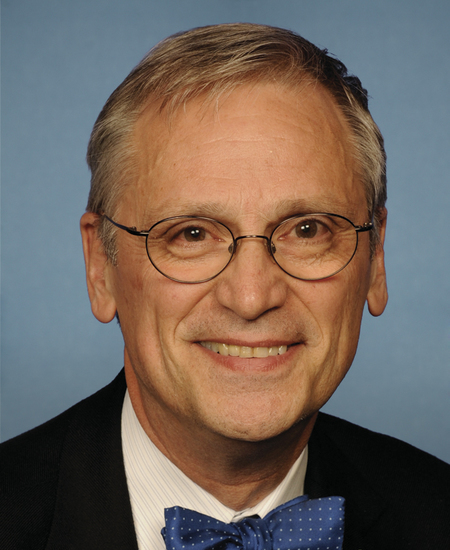
Rep. Earl Blumenauer
Sponsored bills
Maddy summaryThis bill increases the tax credit for railroad track maintenance from $3,500 to $6,100 per mile of track. It adds an inflation adjustment starting in 2026, linking future credit amounts to the cost-of-living index. The bill also extends the qualifying period for maintenance expenditures from January 1, 2015, to January 1, 2024. These changes apply to tax years beginning after December 31, 2024, directly affecting railroad companies that maintain tracks.
Maddy summaryHRES 1423 expresses the U.S. House of Representatives' support for designating the week of September 21-28, 2024, as "National Estuaries Week." The resolution highlights estuaries' economic and ecological importance, noting they support over 3.5 million jobs, contribute $476 billion to the U.S. GDP, and provide critical services like flood control and water filtration. It does not create new laws or funding but aims to raise public awareness about protecting estuaries, which face threats like pollution and habitat loss. The resolution acknowledges ongoing restoration efforts by federal, state, tribal, and community partners.
Supporting Transit Commutes Act This bill allows employers a tax deduction for certain transportation fringe benefits (e.g., commuter and parking costs, bicycle reimbursements) paid to their employees. It also gives employers a 50% tax deduction for the amount of benefits withheld from their employees' wages.
Maddy summaryThe Pigs and Public Health Act prohibits growth-promoting drugs like ractopamine that cause pigs to become nonambulatory (unable to stand or walk), sets new transportation standards for pig welfare including proper bedding, water, and temperature controls, and requires humane euthanasia of nonambulatory pigs rather than processing them for food. It creates an online portal for workers to confidentially report violations of these standards and provides whistleblower protections against retaliation for reporting safety or health concerns. The bill also mandates a study on public health risks from nonambulatory pigs entering the food supply, including pathogens like swine influenza, Salmonella, and antibiotic-resistant bacteria. These requirements apply to slaughter facilities, meat processing plants, and transportation providers that handle pigs. The act aims to improve animal welfare, worker safety, and reduce public health risks associated with diseased pigs entering the food system.
Maddy summaryHR 8492 prohibits wildlife killing contests - events where participants kill animals for cash, prizes, or entertainment - on all federal public lands managed by agencies like the National Park Service or U.S. Forest Service. It specifically bans contests targeting species such as coyotes, foxes, and bobcats, except for field trials with hunting dogs, contests for deer/birds (Galliformes/Anatidae), or agency-led invasive species control. The law requires federal agencies to issue implementing regulations within a year of enactment. It directly affects organizers, sponsors, and participants of such contests on federally managed lands, while allowing states to maintain stricter rules.
Maddy summaryThis bill establishes the Great Bend of the Gila National Monument, protecting approximately 376,963 acres of land in Arizona for the preservation of Indigenous heritage, cultural landscapes, archaeological sites, and natural resources. The monument's management requires consultation with a Tribal Commission representing interested Native American tribes, incorporates Traditional Ecological Knowledge into planning, and protects sacred sites while maintaining existing tribal treaty rights. Key provisions include prohibiting new permanent roads within the monument, requiring meaningful tribal engagement in management decisions, and ensuring continued access for traditional tribal uses like cultural and religious activities. The bill maintains existing grazing, water rights, and tribal treaty rights while emphasizing the protection of natural quiet, dark night skies, and scenic attributes. It creates a framework for tribal co-stewardship through the Tribal Commission, which provides guidance on management plans and policies.
Maddy summaryHR 8699, the Humane Transport of Farmed Animals Act, requires the U.S. Transportation and Agriculture Secretaries to create an inspection and enforcement system within 180 days to ensure carriers comply with animal transport rules. It directly affects rail, trucking, and shipping companies transporting livestock interstate, mandating they follow new standards. The bill prohibits moving livestock deemed "unfit to travel" (e.g., sick, injured, newborns with unhealed navels, pregnant animals near delivery, or those unable to stand) across state lines, referencing the World Organisation for Animal Health’s standards. An exception allows movement for veterinary care. The law focuses on defining specific conditions requiring transport restrictions and establishing government oversight.
Maddy summaryH.J. Res. 193 proposes a constitutional amendment to eliminate legal immunity for federal officials, including the President, from criminal prosecution for actions taken while performing official duties. It also prohibits the President from granting a pardon to themselves. The amendment would apply to all federal officers (such as the President, Vice President, and members of Congress) except for Congress members acting in their legislative role as defined in the Constitution. If ratified by 38 states, this change would become part of the U.S. Constitution, requiring no further congressional action.
Maddy summaryHRES 1375 is a non-binding resolution recognizing extreme weather as a critical threat to children's health and well-being, emphasizing that children face unique vulnerabilities due to their developing bodies, higher exposure to pollutants, and heightened risks during events like heatwaves, wildfires, and poor air quality. It expresses Congress's view that solutions must be developed and deployed rapidly and equitably, with specific attention to children's physical and mental health needs. The resolution suggests concrete measures such as improved air filtration in schools, accessible public alerts for extreme heat, expanded cooling centers, and better infrastructure for child-friendly emergency spaces, though it does not create new laws or mandates.