

Maddy summaryHRES 1040 is a ceremonial House resolution recognizing February as Black History Month. It formally acknowledges the achievements of Black Americans throughout U.S. history and encourages continued celebration of this observance. The resolution highlights the cultural and artistic contributions of Black Americans, including historical figures and movements like the Harlem Renaissance and hip-hop. As a non-binding resolution, it does not create new programs or affect any specific group, but serves to affirm the importance of commemorating Black history.
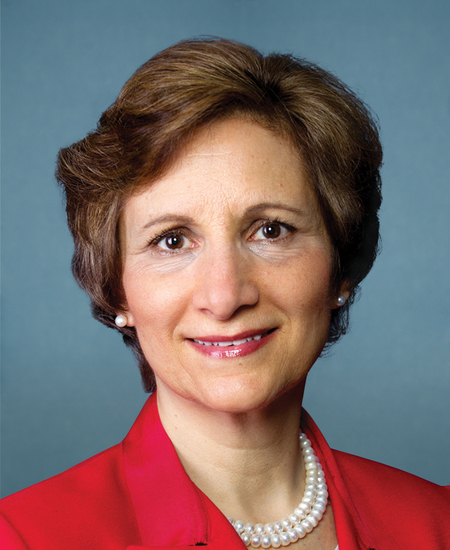
Rep. Suzanne Bonamici
Sponsored bills
Maddy summaryHRES 1032 is a symbolic resolution designating the week of February 26-March 1, 2024, as "Public Schools Week" in the U.S. House of Representatives. It expresses congressional support for public education, highlighting its role in preparing students and communities. The resolution has no legal effect or funding provisions - it solely serves as a formal expression of backing for public schools. It directly affects no individuals or entities but aims to raise awareness about public education. This is a non-binding gesture, not a policy change.
Maddy summaryThis resolution proposes creating a Permanent Select Committee on Aging in the U.S. House of Representatives. The committee would study issues affecting older Americans - such as income security, healthcare, housing, and long-term care - without having the power to pass laws. It would review existing government and private programs, develop coordination strategies for aging-related services, and assess recommendations from the President or the White House Conference on Aging. The committee’s work would inform future policy discussions but would not directly change legislation.
Maddy summaryHR 7384, the Creating Hope Reauthorization Act of 2024, extends the deadline for issuing priority review vouchers to pharmaceutical companies developing treatments for rare pediatric diseases. The bill amends the Federal Food, Drug, and Cosmetic Act to push the program’s expiration from 2024 to 2028 and adjusts another related deadline to 2030. This directly affects drug manufacturers seeking faster FDA review for new treatments targeting rare childhood illnesses. The extension ensures continued incentives for developing these critical therapies without altering the core voucher mechanism.
Maddy summaryThis bill amends the Elementary and Secondary Education Act to require K-12 schools to strengthen career counseling programs. It mandates schools to identify regional workforce trends, develop personalized career plans for students, connect students with opportunities like apprenticeships and dual enrollment, and partner with workforce agencies. The law also requires professional development for counselors and access to current workforce data to help students plan postsecondary paths. Directly affecting public school students and counselors, it focuses on concrete changes to career guidance rather than new funding.
Maddy summaryHRES 966 is a symbolic resolution condemning alleged sexual violence committed by Hamas during its October 7, 2023, attack on Israel. It specifically references eyewitness accounts, forensic evidence, and Hamas fighters' admissions of ordering gang rape, sexual mutilation, and assault against Israeli civilians. The resolution calls for international condemnation of such acts as weapons of war, urges nations to criminalize sexual violence, and supports investigations into Hamas' actions. As a non-binding resolution, it does not create new laws or directly affect any individuals but formally expresses the House's position on the issue.
Maddy summaryThis bill requires the Consumer Financial Protection Bureau (CFPB) and the Department of Education to share student loan complaint data and coordinate oversight. It mandates that each agency transfer complaints about federal student loans (title IV) or private student loans to the other agency within 10 days of receipt. The agencies must collaborate on resolving complaints involving both federal and private loans, including creating a process for handling issues with defaulted federal loans and private collection agencies. This improves transparency for borrowers by ensuring both agencies work together to address concerns about student loan servicing and origination.
Maddy summaryHR 7355, the Early Childhood Workforce Advancement Act of 2024, establishes a federal grant program to fund career and technical education programs in early childhood education. It directly supports partnerships between institutions of higher education, child care providers, and community stakeholders to expand training and career pathways for early childhood educators. Key provisions include funding for curriculum development, educator recruitment/retention, professional development, and support services like childcare assistance for students pursuing credentials (such as Child Development Associate) or degrees. The grants aim to improve workforce readiness, address regional shortages, and enhance outcomes for students - particularly in underserved communities - by aligning training with industry needs and State strategic plans.
Maddy summaryThis bill updates the BEACH Act to improve monitoring of water quality at public beaches and coastal recreation areas. It expands the definition of monitored waters to include nearby shallow upstream areas and locations "present on" beaches, and allows states using federal grants to identify specific pollution sources. The bill also extends annual funding for these programs from $30 million per year through 2029 (replacing the previous 2001-2005 authorization) and requires the EPA to incorporate new water testing technologies into its guidance for states. These changes directly affect states and local governments receiving EPA grants for beach water quality monitoring.
Maddy summaryThe FAAN Act (HR 7266) authorizes $1 billion in federal grants to schools of nursing in underserved areas to address nursing workforce shortages. It directly affects nursing schools in medically underserved communities, rural regions, and areas with health professional shortages, prioritizing institutions serving underrepresented racial/ethnic groups, rural populations, and low-income students. Key provisions include funding for faculty hiring (especially from underrepresented groups), modernizing classrooms with technology like simulation labs, expanding student support programs, and creating clinical partnerships with healthcare facilities. Schools receiving grants must report annually on student demographics, faculty diversity, and program outcomes, with a comprehensive report to Congress after five years. The bill aims to strengthen nursing education capacity and improve national readiness for public health emergencies.