

Maddy summaryHRES 1002 is a symbolic House resolution recognizing the cultural and historical significance of Lunar New Year (celebrated as the Year of the Dragon in 2024). It acknowledges the holiday's 4,000-year history in China, its celebration across Asia (including Seollal and Tết), and its significance to Asian Americans and others in the U.S. The resolution expresses respect for those observing the holiday and wishes them a happy new year, but it does not create new laws, policies, or funding. As a ceremonial resolution, it has no direct effect on legislation or constituents.
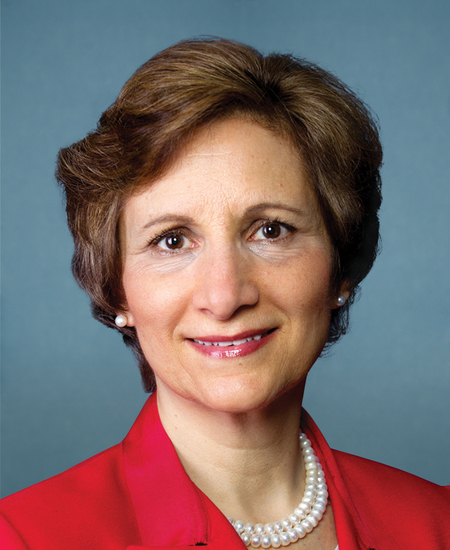
Rep. Suzanne Bonamici
Sponsored bills
Maddy summaryThe Fair Play for Women Act requires schools and colleges receiving federal funding to collect and publicly disclose detailed data about gender equity in sports, including participation numbers, funding disparities, and facilities quality. It mandates annual training for athletic staff and athletes about Title IX rights, and prohibits sex-based discrimination in intercollegiate athletics by athletic associations. The bill would require institutions to report specific metrics like the number of athletes participating in each sport by gender and race, expenditures for facilities and equipment, and coaching staff demographics. This transparency measure aims to make gender inequities in sports more visible and addressable for all schools and colleges receiving federal financial assistance.
Maddy summaryThis bill restricts how credit reporting companies share homebuyers' credit reports during mortgage applications. It prevents companies from sending these reports to third parties (like marketers) just because a lender requested them for a mortgage. Only specific entities can receive the reports: the mortgage lender who originated the loan, the company servicing the loan, or the bank holding the homebuyer's account. This directly protects homebuyers' privacy by limiting unauthorized sharing of their financial data.
Maddy summaryHR 7212, the PEER Support Act, establishes a formal profession for peer support specialists - individuals with lived experience in mental health or substance use recovery who provide support to others. It requires the Office of Management and Budget to add "peer support specialist" to the Standard Occupational Classification system by January 2025 and creates a new Office of Recovery within SAMHSA to lead workforce development, share best practices, and support training and certification. The bill also mandates a report analyzing state criminal background check policies for peer specialists, aiming to reduce barriers to certification. This directly affects states implementing certification systems, peer specialists seeking employment, and SAMHSA’s operations in mental health services.
Maddy summaryHRES 993 is a non-binding congressional resolution designating February as "Career and Technical Education (CTE) Month" to celebrate CTE programs nationwide. It supports CTE as a pathway preparing students for high-demand, skilled careers in fields like infrastructure and technology, recognizing that over 12 million students currently participate in CTE programs across high schools and colleges. The resolution encourages educators, counselors, and parents to promote CTE as a respected educational option, highlighting its role in reducing high school dropout rates and aligning student skills with workforce needs. It does not create new laws or allocate funding, but symbolically affirms bipartisan support for CTE, referencing the 1917 Smith-Hughes Act as foundational to current efforts.
Maddy summaryHRES 990 is a non-binding resolution expressing the House of Representatives' support for fair treatment of paraprofessionals (like instructional assistants) and education support staff (such as clerical, custodial, and food service workers) in schools. It states these over 3 million frontline workers deserve livable wages, affordable health care, job security, paid leave, professional development, and safe working conditions. The resolution lists specific recommendations, including eligibility for family medical leave and protections against retaliation for reporting workplace issues. It does not create new laws but formally recognizes these staff as essential to school success and calls for policies addressing their current challenges.
Maddy summaryThis bill amends the McKinney-Vento Homeless Assistance Act to allow federal funding through the Emergency Solutions Grant Program to cover "safe parking" initiatives. It defines "safe parking" as providing homeless individuals living in vehicles (including RVs) with overnight parking alongside re-housing and supportive services to transition to stable housing. The key change makes safe parking programs eligible for federal grant funding that previously did not cover this specific activity. This directly affects homeless individuals residing in vehicles and the service providers operating these programs.
Maddy summaryHR 7132 creates a federal grant program to help state and local governments, tribes, and Native Hawaiian organizations develop and implement housing plans. Grants fund both planning (creating strategies) and implementation (putting strategies into action) to increase housing supply and affordability while avoiding displacement of current residents. At least 10% of funds must support rural communities, and recipients must report annually on progress and submit final evaluations after three years. The program requires comprehensive plans addressing housing needs, land use reforms, and community engagement to expand housing options.
Maddy summaryHR 7127, the FAIR Act, establishes pay adjustments for federal employees in 2025. It increases base pay by 4% for most federal workers under statutory pay systems and for "prevailing rate" employees (like those in specific geographic areas), while raising locality pay rates by 3.4%. The bill directly affects all federal employees receiving pay under these systems, as it modifies their 2025 salary calculations. These changes are based on statutory formulas under Title 5 of the U.S. Code, with no new policy mechanisms beyond the specified percentage increases. The adjustments apply to pay rates in effect as of the end of fiscal year 2024.
Maddy summaryThe SWIMS Act of 2024 bans the captivity of orcas, beluga whales, false killer whales, and pilot whales for public display in the United States. It prohibits exporting, importing, or taking these animals for display - except for relocation to a sanctuary meeting specific welfare standards or release into the wild. The bill also makes it illegal to breed these species for public display. This directly affects marine parks and aquariums that currently display these animals, preventing them from acquiring new animals for exhibits or breeding them for that purpose.