

Maddy summaryThe Minority Diabetes Initiative Act (HR 10193) creates a federal grant program to improve diabetes care in minority communities. It authorizes the Secretary of Health and Human Services to fund public and nonprofit health providers - including community health centers, tribal health departments, and community organizations - to deliver specific diabetes services. These grants must cover routine care, prevention education, eye/foot care, and treatment for complications like kidney disease, while requiring services to be culturally appropriate and offered in accessible languages. The program is funded through annual appropriations for fiscal years 2025-2030. This bill directly affects minority communities with high diabetes rates by expanding access to comprehensive, culturally responsive care through eligible health providers.
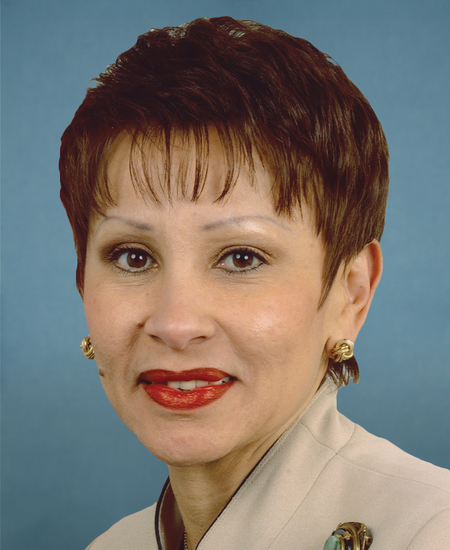
Rep. Nydia M. Velázquez
Sponsored bills
Maddy summaryThis bill amends the Small Business Act to require disaster loan applicants to submit a federal tax return or transcript before loan approval, with a specific exception for residents of U.S. territories (American Samoa, Guam, Puerto Rico, Northern Mariana Islands, U.S. Virgin Islands) who don't pay federal income taxes. Under the new provision, applicants from these territories can receive conditional loan approval without federal tax documents, but must submit tax documents from their territory's tax agency before funds are disbursed. The Administrator must also assist applicants in obtaining these tax documents from federal or territory tax agencies. This change directly affects disaster loan applicants in U.S. territories who are exempt from federal income taxation.
Maddy summaryThis bill modifies the Small Business Act to support employee-owned businesses. It removes requirements for employee trusts and cooperatives (worker-owned businesses) seeking SBA loans, including banning mandatory equity contributions, extra valuations, and Treasury determination letters. The bill also prohibits requiring personal or entity guarantees for cooperative loans and allows them to use opinion letters instead of formal valuations. Additionally, it expands eligibility for disaster assistance to include cooperatives defined under the Act. These changes aim to streamline access to capital for worker-owned business models.
Maddy summaryHR 10245, the 504 Program Level Flexibility Act, allows the Small Business Administration (SBA) to temporarily exceed the annual loan guarantee limit for its 504 loan program by up to 15% (to 115% of the cap) for fiscal years 2025 and beyond, if needed to avoid hitting funding limits. This flexibility applies only when the SBA Administrator determines the current cap would be exceeded, requires 30 days' advance notice to specific congressional committees, and can be used just once per fiscal year. The bill directly affects the SBA's administrative process for managing the 504 program, which provides long-term financing for small business real estate and equipment purchases. It does not change eligibility for small businesses seeking 504 loans but gives the SBA a limited tool to maintain program operations within budget constraints.
Maddy summaryThe Microloan Improvement Act of 2024 modifies the Small Business Administration's microloan program to increase accessibility for small businesses. It raises the maximum loan amount for certain microloans from $7,500 to $10,000 and extends repayment terms to up to 7 years for loans of $10,000 or less and up to 10 years for larger loans. The bill also requires intermediaries (like community organizations) to report borrower payment history to credit bureaus, helping small businesses build credit, and reserves 15% of new microloan funds for designated underutilized states in the first two quarters of each fiscal year. These changes directly affect small business borrowers and SBA-approved intermediaries by improving loan terms and promoting equitable fund distribution across all U.S. states and territories.
Maddy summaryHRES 1588 is a House resolution supporting Transgender Day of Remembrance (TDoR) by recognizing the epidemic of violence against transgender people and memorializing those killed between October 1, 2023, and September 30, 2024. It specifically honors 38 transgender or gender-nonconforming individuals whose lives were lost to violence during that period, highlighting that transgender women of color face disproportionate risks. The resolution acknowledges systemic issues like underreporting, barriers to healthcare, and higher rates of homelessness and suicide within the community. It calls for the U.S. government to prioritize solutions to this violence while affirming transgender people's right to dignity and safety. As a symbolic resolution, it does not create new laws or policies but formally recognizes these issues for congressional record.
Maddy summaryThis bill prohibits Medicaid from covering conversion therapy for any enrollee. It amends federal law to block Medicaid payments for any therapy aimed at changing a person's sexual orientation or gender identity (defined as "conversion therapy" in the bill), starting in the first full quarter after the law takes effect. The prohibition applies to all Medicaid providers who offer such therapy for compensation, but explicitly excludes support for gender transition, acceptance-based care, and interventions focused on safety or unlawful conduct. It directly affects Medicaid recipients seeking therapy and providers who previously billed for conversion therapy services.
Maddy summaryThe American Renewable Energy Act of 2024 establishes a national standard requiring large electricity suppliers to generate increasing percentages of renewable electricity, from 20% in 2025 up to 70% by 2034. It mandates that 15-20% of required renewable energy credits must come from distributed generation (small-scale projects under 1 megawatt) and from projects in "impacted communities" - communities disproportionately affected by pollution and environmental injustice. Retail electricity suppliers can meet requirements through renewable energy credits or pay a $50 annual compliance fee (adjusted for inflation), with funds from these fees required to support renewable energy deployment, storage, and energy efficiency programs, ensuring at least 50% of benefits reach impacted communities. The law creates a national credit system while preserving existing state renewable energy programs and preventing double-counting of renewable energy credits.
Maddy summaryThe Half-Century Update for Water Access and Affordability Act establishes a federal program to provide financial assistance to low-income households struggling to pay water bills. It requires states and water utilities to implement programs that offer direct bill discounts, debt relief, water efficiency upgrades, and crisis assistance to households earning up to 200% of the poverty level or 80% of local median income. The bill prohibits disconnections for non-payment, allows automatic enrollment for households already receiving other federal assistance, and mandates data collection to track program impacts on water service access. The legislation authorizes $20 billion annually from 2025-2035 to fund this assistance, with specific requirements to ensure universal access and prevent discrimination in program implementation.
Maddy summaryThe SBA IT Modernization Reform Act of 2024 requires the Small Business Administration (SBA) to implement specific recommendations from a 2025 GAO report about its IT systems. It mandates the SBA Administrator to establish clear risk management procedures for all IT projects, including documenting risk sources, defining parameters, developing mitigation strategies, and involving security experts in contractor selection. The SBA must submit a detailed implementation plan to Congress within 180 days of enactment, outlining how it will follow GAO guidelines for project scheduling and cost estimation. This bill directly affects SBA's IT modernization efforts, aiming to reduce risks in new systems through standardized, documented processes.