

Maddy summaryThis bill maintains the U.S. government's 2020 policy requiring imported goods produced in the West Bank or Gaza to be labeled as "Made in Israel" rather than "Made in the West Bank" or "Made in Gaza." It prohibits using federal funds for any effort to change this labeling requirement, including new regulations or executive actions by agencies like U.S. Customs and Border Protection. The policy directly affects importers of such goods and U.S. agencies responsible for enforcing country-of-origin labeling.
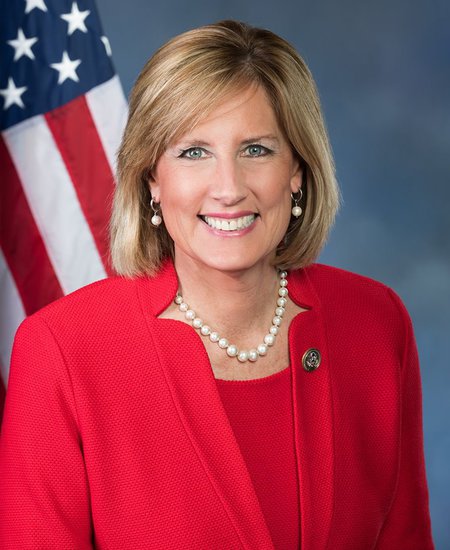
Rep. Claudia Tenney
Sponsored bills
Maddy summaryThis bill (HJRES 163) is a congressional disapproval resolution targeting an Environmental Protection Agency (EPA) rule finalized on May 9, 2024. The EPA rule established new emissions standards for greenhouse gases from fossil fuel power plants (both new and existing) and repealed a previous rule called the Affordable Clean Energy Rule. The resolution would block this EPA rule from taking effect by invoking the Congressional Review Act (Chapter 8 of Title 5, U.S. Code). If passed, it would prevent the EPA rule from being enforced, directly affecting fossil fuel power plant operators and the EPA’s regulatory authority over emissions.
Maddy summaryH.J. Res. 117 is a joint resolution that would disapprove an Environmental Protection Agency (EPA) rule concerning the reconsideration of National Ambient Air Quality Standards for particulate matter. The EPA rule, published on March 6, 2024, was part of the agency’s process to review these standards, which set limits for harmful air pollutants. This resolution invokes a congressional disapproval procedure under federal law to block the rule from taking effect. If enacted, the rule would have no force or effect, preserving the existing air quality standards for particulate matter.
Maddy summaryHR 9660, the SEEK HELP Act, provides legal protections for individuals responding to opioid overdoses. It shields people from civil lawsuits for administering opioid reversal drugs (like naloxone) in good faith and protects those seeking medical help during overdoses from criminal prosecution or asset forfeiture related to drug possession. The bill requires the federal government to run public awareness campaigns about these protections and allows states to use grant funds for overdose response education. It also mandates a GAO report to evaluate how effectively these protections encourage overdose reporting and reduce fatalities. The law directly affects bystanders, emergency responders, and law enforcement officers handling overdose situations.
Maddy summaryHR 8292, the Taxpayer Data Protection Act, increases penalties for unauthorized disclosures of taxpayer information under the Internal Revenue Code. It raises fines from $5,000 to $250,000 per violation and increases potential jail time from 5 to 10 years for those who disclose such data. The bill also specifies that if a single disclosure affects multiple taxpayers, each affected person counts as a separate violation, potentially increasing penalties. This law directly affects IRS employees and government workers handling taxpayer data, applying to disclosures made after the bill's enactment.
Maddy summaryThis bill requires the Department of Veterans Affairs (VA) to commission an independent review of its notices sent to veterans applying for benefits. The review, to be completed within 30 days of the bill's enactment, must assess whether notices can be made clearer for claimants while reducing paper use and government costs. The VA must then implement the recommended changes within 90 days and report the findings to Congress. This directly affects veterans receiving VA claims communications by aiming to make those notices more understandable and efficient.
Maddy summaryHR 1425, the "No WHO Pandemic Preparedness Treaty Without Senate Approval Act," requires the U.S. Senate to approve any World Health Organization (WHO) pandemic preparedness treaty through a two-thirds vote. The bill deems any convention, agreement, or international instrument on pandemic prevention drafted by the WHO’s International Negotiating Body (INB) as a treaty subject to Senate ratification, rather than allowing it to take effect as an executive agreement. This directly affects U.S. foreign policy implementation regarding WHO agreements, ensuring Congress has a formal role in approving such binding international commitments. The bill stems from congressional concerns about WHO’s pandemic response and public skepticism toward the organization, as outlined in its findings.
Maddy summaryThis bill amends the tax code to exclude certain electric vehicles from federal clean vehicle tax credits. Specifically, it blocks credits for vehicles using drive battery components (or materials processed in the battery) sourced from entities tied to "covered nations" like China, or for vehicles involving licensing agreements exceeding $5 million with such entities. It directly affects EV buyers seeking tax credits and automakers who rely on supply chains meeting these criteria. The change applies to vehicles placed in service after the bill's enactment date, altering eligibility for existing tax incentives.
Maddy summaryHR 705, the Veterans 2nd Amendment Protection Act, prohibits the Department of Veterans Affairs (VA) from automatically sending veterans' personal information to the national background check system solely because a fiduciary (like a guardian) manages their benefits. It specifically blocks the VA from sharing this data with the Justice Department without a court order finding the veteran a danger to themselves or others. This directly affects veterans who have a fiduciary appointed due to incapacity but are not deemed dangerous, preventing automatic barriers to firearm purchases based only on their fiduciary status. The bill amends 38 U.S.C. § 5501B to require judicial authorization before such data can be transmitted.
Maddy summaryHR 9561, the Pay Our Border Patrol and Customs Agents Act of 2025, ensures that U.S. Border Patrol Agents and Customs and Border Protection officers working during a government shutdown receive their salaries. It appropriates funds from the Treasury (not regular appropriations) to cover their pay during any lapse in discretionary funding in fiscal year 2025. This bill directly affects these specific federal employees who are required to work during shutdowns but would otherwise face pay delays. It is a procedural measure focused solely on payment mechanisms, not on changing work requirements or policy.