

Maddy summaryHR 3433, the "Give Kids a Chance Act of 2024," requires pharmaceutical companies developing certain cancer drugs to conduct pediatric studies if the drugs target molecular pathways relevant to childhood cancers. It directly affects drug manufacturers submitting new applications for cancer treatments, particularly those combining previously approved adult cancer drugs or containing a single new active ingredient. The bill amends FDA regulations to mandate these pediatric investigations only when specific conditions are met, such as when a drug's molecular target is relevant to pediatric cancer growth. The FDA must issue implementing guidance within 12 months, and reports to Congress will track implementation and effectiveness starting 2 years after enactment.
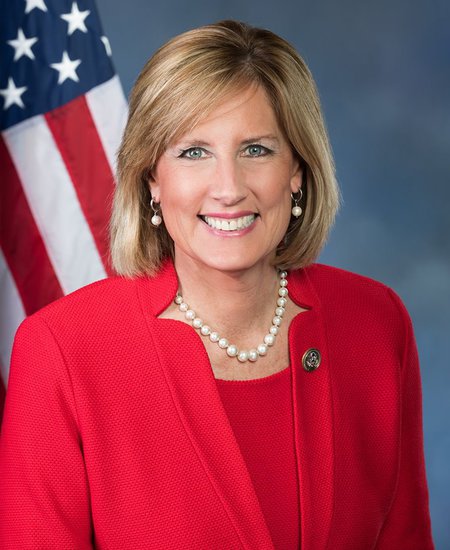
Rep. Claudia Tenney
Sponsored bills
Maddy summaryThis bill prohibits hospitals and transplant centers from denying organ transplants or related services to people with disabilities solely because of their disability. It requires covered entities to make reasonable modifications to policies (like considering a patient's support network for post-transplant care) and provide auxiliary aids (such as communication services or accessible health information). The law specifically prevents discrimination based on disability during evaluation, listing, and treatment, while clarifying that medical decisions must be based on individualized assessments - not disability alone. It applies to all organ transplant processes and allows individuals to file complaints with the Department of Health and Human Services or sue for violations.
Maddy summaryThis bill blocks U.S. funding for Afghanistan through the State Department until the Secretary of State certifies that all detained U.S. citizens held by Afghanistan's government or groups within Afghanistan have been released. It requires the President to provide detailed justification to Congress if a waiver is needed to release a detained citizen, and mandates quarterly reports to Congress on the status of detained Americans and efforts to secure their release. The bill also specifies that determinations about detained citizens must follow procedures outlined in the Robert Levinson Hostage Recovery Act. It directly affects U.S. foreign aid funding for Afghanistan and the Afghan government/groups holding Americans.
Maddy summaryThis bill restricts federal funding for jurisdictions that limit cooperation with federal immigration enforcement. It defines a "sanctuary jurisdiction" as any state or local government that prohibits sharing immigration status information or complying with federal detainer requests (except for crime victims/witnesses). Starting after enactment, such jurisdictions lose eligibility for federal funds intended to provide food, shelter, healthcare, legal services, or transportation to undocumented immigrants. The law directly affects cities and states with specific immigration policies, not the immigrants themselves.
Maddy summaryHR 9745, the Lifesaving Gear for Police Act of 2024, removes barriers for state and local law enforcement agencies to access existing federal equipment. It prohibits federal agencies from enforcing any regulations (since May 15, 2015) that limit the transfer of Department of Defense or other federal equipment to police departments, unless Congress passes those rules into law. The bill also requires agencies to return or replace equipment recalled since 2015 under those regulations, provided the agency requests it, meets existing eligibility rules, and the equipment is available. This directly affects police departments that previously had equipment seized or denied under the blocked regulations. The law focuses on restoring access to current equipment-sharing programs, not creating new funding or gear.
Maddy summaryHJRES 144 is a congressional disapproval resolution targeting a specific rule issued by the Bureau of Alcohol, Tobacco, Firearms, and Explosives (ATF) on April 19, 2024. The resolution seeks to block the ATF's rule that redefined the term "engaged in the business" for firearm dealers, which would have affected how federal licensing requirements apply to certain sellers. If enacted, this resolution would nullify the rule, preventing it from taking effect under procedures in Title 5 of the U.S. Code. The bill directly impacts firearm dealers operating under the current regulatory framework and the ATF's enforcement authority.
Maddy summaryThe Federal Lands Amplified Security for the Homeland (FLASH) Act authorizes the construction of navigable roads on Federal lands along the southern border to improve U.S. Customs and Border Protection access, while establishing policies to reduce trash accumulation and address environmental damage from unauthorized border crossings. The bill requires agencies to develop protocols for mitigating wildfire risks through vegetation management, prohibits Federal funds from being used to provide housing for unauthorized immigrants on Federal lands, and includes provisions to address illegal cannabis cultivation and pesticide use. It mandates annual reports on waste collection and environmental impacts, and authorizes $16 million annually for initiatives to address contamination from trespass cannabis cultivation on covered Federal lands. The legislation directly affects land management operations on approximately 50 million acres of Federal lands administered by the National Park Service, Bureau of Land Management, Fish and Wildlife Service, and Forest Service along the southern border.
Maddy summaryThe Keep Our Streets Safe Act of 2024 requires states receiving federal Byrne grant funds to consider public safety risks when setting bail or pretrial release, and prohibits blanket policies of sealing felony criminal records (excluding juveniles). States failing to comply would lose their Byrne grant funding, which would then be reallocated to local law enforcement agencies within that state. This bill directly affects all states that receive Byrne grants, which fund state and local law enforcement programs. The law changes federal funding conditions by linking access to specific pretrial and record-keeping practices.
Maddy summaryHR 9699, the Pay Our Troops Act, ensures military personnel and key support staff continue receiving pay during government funding gaps in fiscal year 2025. It appropriates funds to cover pay and allowances for active-duty troops, Department of Defense civilians, and qualifying contractors supporting military operations, if regular appropriations aren't enacted. The funding remains in effect until the earliest of: a new appropriations law, a funding resolution without such funding, or January 1, 2026. This bill does not change pay rates or create new policies - it guarantees existing pay continuity during budget transitions.
Maddy summaryThis bill amends the Justice for United States Victims of State Sponsored Terrorism Act to establish a fifth round of payments for eligible victims of state-sponsored terrorism, requiring all authorized payments to be distributed by December 31, 2024. It directs specific funds into the Victims of State Sponsored Terrorism Fund, including $898 million from the Binance case settlement and 50% of annual unobligated balances from DOJ and Treasury forfeiture funds starting December 1, 2024. The bill mandates annual payments beginning January 1, 2025, for eligible claimants and requires the Special Master to submit annual reports on fund activity to Congress, including detailed deposit and disbursement records. It directly affects victims of state-sponsored terrorism, the Special Master administering the fund, and federal agencies managing forfeiture funds.