

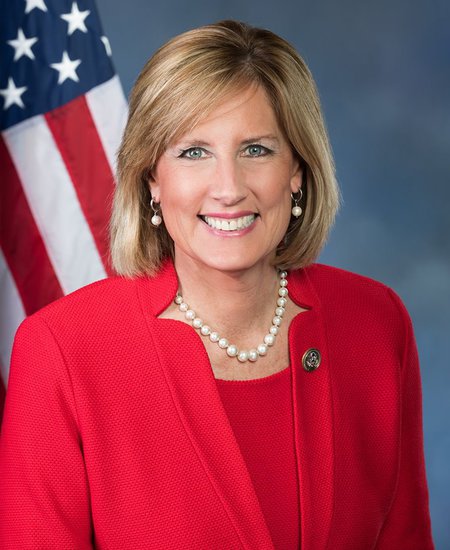
Photo of Claudia Tenney
R United States House · District 24 · New York On the 2026 ballot

Rep. Claudia Tenney

Compare
Total votes
2,811
all sessions
Attendance
99%
20 missed
Higher than 78% of chamber peers
With party
95%
of cast votes
Higher than 90% of chamber peers
Bipartisan score
3%
crosses aisle rarely
Lower than 91% of chamber peers
Sponsored
1,793
bills & resolutions
Higher than 94% of chamber peers
Committees
8
assignments
1,793 bills and resolutions

Sponsored bills

Total
1,793
Primary
194
Co-sponsor
1,599
This page
1,793
matching current filters
Co-sponsor HR 10516
In committee · United States House · Co-sponsor
ELITE Vehicles Act

Maddy summaryThe ELITE Vehicles Act (HR 10516) repeals three federal tax credits for electric vehicles: one for new clean vehicles (Section 30D), one for previously-owned clean vehicles (Section 25E), and one for commercial clean vehicles (Section 45W). It also removes tax credit eligibility for electric vehicle recharging infrastructure under Section 30C. These changes take effect 30 days after the bill’s enactment, eliminating tax benefits for individuals and businesses purchasing or contracting for eligible electric vehicles or charging equipment after that date. The bill directly affects consumers, dealers, and manufacturers who previously claimed these credits.

In committee Dec 19, 2024 1 co-sponsor
Co-sponsor HR 7513
In committee · United States House · Co-sponsor
Protecting American Seniors’ Access to Care Act

Maddy summaryHR 7513, the Protecting America’s Seniors’ Access to Care Act, prohibits the Department of Health and Human Services from implementing or enforcing a proposed rule that would have set minimum staffing requirements for nursing homes and other long-term care facilities receiving Medicare or Medicaid funding. The bill specifically blocks the September 2023 proposed rule (88 Fed. Reg. 61352-61429) and any substantially similar rule. This directly affects long-term care facilities that rely on federal healthcare program payments. The key mechanism is a clear statutory prohibition preventing the rule from taking effect, without altering existing staffing standards or requirements.

In committee Dec 19, 2024 1 co-sponsor
Co-sponsor HR 3269
In committee · United States House · Co-sponsor
Law Enforcement Innovate to De-Escalate Act

Maddy summaryHR 3269, the Law Enforcement Innovate to De-Escalate Act, exempts specific less-than-lethal projectile devices from federal firearm taxes and National Firearms Act restrictions. The bill defines these devices as those firing projectiles at under 500 feet per second and designed not to cause death or serious injury. This directly affects law enforcement agencies using such devices and manufacturers producing them, by removing tax burdens and registration requirements. The key change is creating a clear legal exemption for these devices under federal law, streamlining their use for de-escalation purposes.

In committee Dec 18, 2024 1 co-sponsor
Co-sponsor HR 10060
In committee · United States House · Co-sponsor
Medicare Breast Reconstruction Access and Information Act

Maddy summaryThis bill requires Medicare providers to inform patients about breast reconstruction coverage before performing a mastectomy. Specifically, it mandates that providers must tell patients their Medicare coverage includes breast reconstruction surgery following a medically necessary mastectomy (covered under Medicare's existing national policy 140.2) and document this discussion in the patient's medical record. The requirement applies to all mastectomies performed on or after one year after the bill's enactment. It directly affects Medicare beneficiaries undergoing mastectomies and the healthcare providers who perform these procedures, ensuring patients are aware of existing coverage options. The bill does not change Medicare's coverage rules but ensures patients receive clear information about available benefits.

In committee Dec 17, 2024 1 co-sponsor
Co-sponsor HR 8914
In committee · United States House · Co-sponsor
University Accountability Act

Maddy summaryThe University Accountability Act imposes penalties on tax-exempt universities found in federal court to have violated Title VI of the Civil Rights Act of 1964, requiring them to pay $100,000 or 5% of their administrative compensation per violation. It mandates the IRS to review the tax-exempt status of institutions with more than two such violations and requires these institutions to report civil rights violations on their tax returns. If a violation determination is overturned, the penalty must be refunded. The bill applies to most public and private universities that are tax-exempt under federal law, directly affecting their financial obligations and reporting requirements.

In committee Dec 17, 2024 1 co-sponsor
Co-sponsor HR 8801
In committee · United States House · Co-sponsor
MOMS Act

Maddy summaryThe MOMS Act establishes a federal resource website called pregnancy.gov that will help pregnant and postpartum women find local services through a ZIP code-based search system. It creates grant programs to support nonprofit organizations providing services like medical care, housing assistance, and parenting support to pregnant women, while prohibiting organizations that provide or support abortion from receiving these funds. The bill also amends child support laws to allow enforcement of child support obligations for unborn children, beginning from the month of conception with the mother's consent. These provisions aim to improve access to prenatal and postnatal resources while maintaining a focus on supporting women and their families.

In committee Dec 17, 2024 1 co-sponsor
Primary HR 8810
In committee · United States House · Lead sponsor
Ensuring Legal Representation for Child Welfare Act

Maddy summaryThis bill requires states to include specific steps in their child welfare plans to ensure children and their parents or guardians receive information about independent legal representation in court cases involving child abuse or neglect. It applies to proceedings like dependency, adoption, guardianship, and termination of parental rights, mandating that states provide access to legal help as appropriate. States must meet these requirements for federal funding starting October 1, 2026, with flexibility for states needing to pass new laws before that date. The law directly affects state child welfare systems and families navigating these court processes.

In committee Dec 17, 2024 0 co-sponsors
Co-sponsor HR 8702
In committee · United States House · Co-sponsor
Improving Seniors’ Timely Access to Care Act of 2024

Maddy summaryThis bill requires Medicare Advantage plans to implement electronic prior authorization systems by 2027 and publish detailed data on their approval and denial rates for medical services by 2026. It directly affects Medicare Advantage plans (private insurers offering Medicare coverage) and their enrollees (seniors 65+), mandating transparency about prior authorization decisions, processing times, and appeal outcomes. Key provisions include requiring plans to report annual statistics on request approvals/denials, average processing times, and use of technology, with this data published publicly by the Centers for Medicare & Medicaid Services. The bill also sets timelines for plan responses to prior authorization requests and mandates reports to Congress on implementation and impacts.

In committee Dec 17, 2024 1 co-sponsor
Co-sponsor HR 8559
In committee · United States House · Co-sponsor
To amend the Internal Revenue Code of 1986 to protect small businesses from unemployment insurance premium increases by reason of unrepaid State advances.

Maddy summaryThis bill protects small businesses from higher unemployment insurance premiums by exempting them from calculations tied to unrepaid state loans. Specifically, it amends tax code provisions so businesses with fewer than 500 employees (as measured at year-end) cannot have their premiums increased due to unpaid state advances. The change applies to taxable years starting after the bill becomes law, directly affecting qualifying small businesses that would otherwise face higher costs. This is a technical adjustment to existing tax code rules, not a new benefit or funding mechanism.

In committee Dec 17, 2024 1 co-sponsor
Primary HR 8561
In committee · United States House · Lead sponsor
To amend title XVIII of the Social Security Act to address significant under projection of MA local area growth due to wage index reclassification.

Maddy summaryThis bill corrects payment calculations for Medicare Advantage (MA) plans in service areas where wage index increases exceeded 20% in prior years, addressing an underestimation in growth projections. It requires the Medicare Secretary to adjust 2025 and prior year (back to 2024) payment growth rates for affected plans to reflect actual local wage trends. The adjustment applies specifically to MA local plans in service areas with significant average wage index increases. This ensures payments better match actual cost growth in those regions, with changes implemented immediately for 2025 rates.

In committee Dec 17, 2024 0 co-sponsors
Showing 711 to 720 of 1,793 bills
Previous 1 … 71 72 73 … 180 Next