

Maddy summaryHR 3072 prohibits federal agencies from using appropriated funds to partner with nonprofits for voter registration, mobilization, or distributing voting materials on agency property or websites. It delays implementation of certain election activities under Executive Order 14019 until agencies submit reports to Congress about their voter registration plans, with exceptions for activities already covered by existing law. The bill also bans voter registration or mobilization efforts in federal work-study programs at colleges. These provisions directly affect federal agencies, their contractors, and higher education institutions receiving federal work-study funds. The law applies to fiscal years starting in 2023 and requires specific reporting to congressional committees.
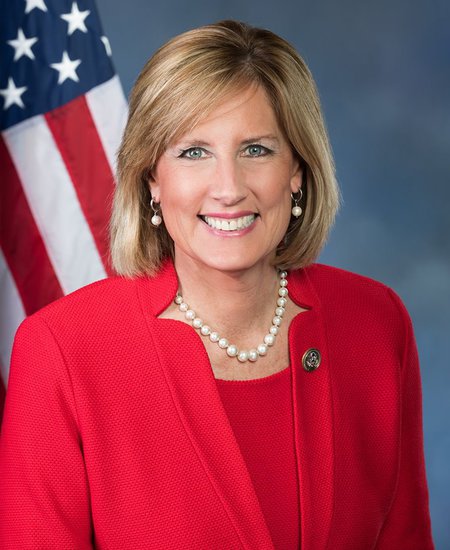
Rep. Claudia Tenney
Sponsored bills
Maddy summaryHR 2962, the Hydrogen Permitting Simplification Act, exempts certain federal hydrogen production projects from the National Environmental Policy Act (NEPA) review process. It directly affects developers of hydrogen facilities using nuclear, solar, wind, or geothermal energy by removing the requirement for environmental impact assessments under NEPA for projects under this specific energy policy title. The key provision amends the Energy Policy Act of 2005 to add a new section stating that major federal actions involving these hydrogen production sources are not subject to NEPA. This simplifies permitting for qualifying clean hydrogen projects by eliminating a standard federal environmental review step.
Maddy summaryThis bill protects living organ donors from insurance discrimination by prohibiting life, disability, and long-term care insurers from denying coverage, raising premiums, or altering policy terms solely because someone donated an organ while alive. It also updates the Family and Medical Leave Act to include recovery from organ donation surgery as a qualifying health condition, allowing donors to take protected leave for this purpose. Additionally, the bill requires the Health and Human Services Secretary to update public educational materials about living donation benefits, risks, and insurance protections within six months of enactment. These changes directly affect living organ donors, insurers, employers, and healthcare systems by ensuring fair access to insurance and workplace leave.
Maddy summaryHR 2955, the Stop Institutional Child Abuse Act, establishes a Federal Work Group to improve data collection and best practices for youth in residential programs (like therapeutic schools, treatment centers, and group homes). The Work Group, composed of federal agency representatives and diverse stakeholders, must develop national data standards, create risk assessment tools, and issue biennial reports with recommendations to enhance safety, reduce restraints, and expand community-based alternatives. It directly affects youth with mental health, substance use, or disability needs placed in these facilities, as well as agencies overseeing them. The bill also mandates a National Academies study to examine funding, oversight, and barriers to community care. These mechanisms aim to standardize data tracking and promote less restrictive, trauma-informed care for youth in residential programs.
Protect American Election Administration Act of 2023 This bill generally prohibits a state from soliciting, receiving, or expending any payment or donation of funds, property, or personal services from a private entity for the purpose of administering a federal election. For example, the bill prohibits the use of these payments or donations for programs related to voter education, outreach, and registration. The prohibition shall not apply to a state's acceptance and use of a private entity's donation of space to be used for a polling place or an early voting site.
Maddy summaryHR 2826, the Save Local Business Act, clarifies when multiple businesses can be held jointly responsible for labor laws. It amends the National Labor Relations Act and Fair Labor Standards Act to state that a business is only a joint employer if it directly controls key employment terms like hiring, pay, schedules, or discipline for another business's workers. This directly affects franchisors, contractors, and similar business models that might previously have been deemed joint employers under broader interpretations. The bill aims to limit joint employer liability to cases where one business has clear, day-to-day control over essential worker conditions.
Maddy summaryHR 1756, the Dairy Pricing Opportunity Act of 2023, requires the U.S. Department of Agriculture to hold national hearings within 180 days of enactment to review the Federal milk marketing system, specifically focusing on the formula used to set the Class I skim milk price (the price for milk used in fluid products like milk and cheese). The bill mandates that the Secretary of Agriculture collect input from dairy producers and the industry on this pricing formula and other related matters during these hearings. It also amends federal law to require dairy processors to report detailed cost and yield information for all products made at their facilities, with the Secretary required to publish reports on this data every two years. This bill directly affects dairy producers, processors, and the regulatory framework governing milk pricing.
Maddy summaryHR 734, the Protection of Women and Girls in Sports Act of 2023, amends Title IX to prohibit federally funded schools and athletic programs from allowing individuals assigned male at birth to participate in women's or girls' sports teams. The bill defines "sex" for this purpose as "reproductive biology and genetics at birth," making it a violation of federal law to permit such participation in designated women's or girls' programs. It allows males to train with women's teams only if no female is deprived of a roster spot, competition opportunity, scholarship, or other benefit tied to the team. This law directly affects public and private schools receiving federal financial assistance that operate athletic programs.
Maddy summaryHR 2743 prohibits large financial institutions (over $100 billion in assets) from denying banking services to lawful businesses based on subjective political reasons, industry type, or reputational concerns. It requires these institutions to use objective, risk-based assessments for service decisions and provide written justifications for denials. The law applies to banks, credit unions, and payment networks, with civil penalties for violations including fines up to $10,000 per incident. It specifically ensures businesses operating legally under federal law receive fair access to financial services without discrimination. The bill mandates that denials be based on documented risk factors, not political bias or category-based exclusion.
American Innovation and R&D Competitiveness Act of 2023 This bill eliminates the five-year amortization requirement for research and experimental expenditures, thus allowing continued expensing of such expenditures in the taxable years in which they are incurred.