

Maddy summaryThe RISEE Act of 2023 creates a National Oceans and Coastal Security Fund to support coastal communities and ecosystems. It allocates 37.5% of offshore wind revenue directly to eligible coastal states using a formula based on tidal shoreline length, coastal population density, and distance from offshore wind projects. States must use these funds for coastal protection, habitat restoration, infrastructure, or fisheries research, with strict annual reporting requirements to the Department of the Interior. The bill prohibits using these funds for litigation or creating marine monuments, ensuring resources directly support coastal community needs.
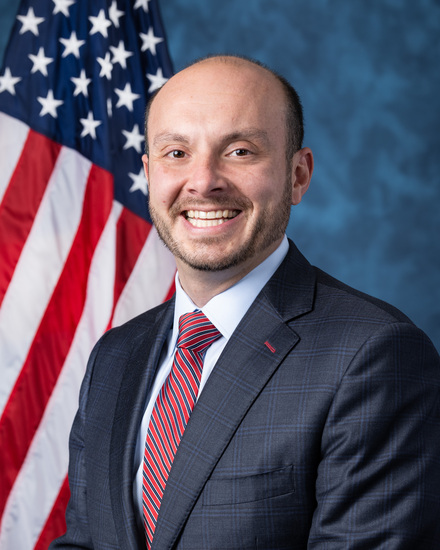
Rep. Andrew R. Garbarino
Sponsored bills
Maddy summaryThis bill authorizes a single Congressional Gold Medal to honor all U.S. Army Dustoff crews who served during the Vietnam War (1962-1973). It recognizes their critical role in evacuating nearly 900,000 wounded personnel, including U.S., South Vietnamese, and allied forces, under extreme combat conditions. The medal, designed with input from the Secretary of Defense, will be presented to the U.S. Army Medical Department Museum for permanent display. Duplicate bronze medals may be sold to cover costs, but the primary action is the commemorative recognition of these crews' service.
Maddy summaryHR 987 authorizes the U.S. Mint to produce commemorative coins honoring Golda Meir, Israel's first female Prime Minister, and the 75th anniversary of U.S.-Israel relations. It specifies three coin types: $5 gold coins (max 50,000), $1 silver coins (max 400,000), and half-dollar clad coins (max 750,000), with detailed weight and composition requirements. All coins will include Golda Meir's image, her name, and commemorative inscriptions, and will be sold during 2026. A surcharge ($35 for $5 coins, $10 for $1 coins, $5 for half-dollars) will be paid to the American Friends of Kiryat Sanz Laniado Hospital Inc. to support its hospital operations.
This resolution condemns Iranian state-sponsored terrorist attacks against U.S. citizens and officials and Iranian dissidents. The resolution also expresses support for the people of Iran who are legitimately defending their rights for freedom against repression and condemns the killing of Iranian protesters by the Iranian regime.
Maddy summaryHCONRES 13 is a concurrent resolution expressing Congress's support for maintaining the current policy that prohibits imposing new fees on local radio stations for playing music. It states that Congress should not impose any performance fee, tax, royalty, or charge on local radio stations for broadcasting sound recordings over the air, or on businesses like bars and restaurants that play music publicly. The resolution argues that such fees would harm local radio stations - critical sources for emergency information and community programming - and jeopardize the economic model that has supported both radio and the music industry for decades. This resolution does not create new law but formally opposes potential legislative changes to the existing fee structure.
Maddy summaryThis bill creates a new federal crime for assaulting law enforcement officers causing serious injury or death, with penalties up to 10 years in prison for serious injury and up to life for aggravated cases involving death, kidnapping, or attempted killing. It applies when offenses involve interstate travel, commerce, or target officers engaged in law enforcement duties. Federal prosecution requires Attorney General certification that state authorities cannot or will not handle the case, or that federal action is necessary for public safety. The law covers all law enforcement officers (state, local, and federal) who enforce criminal laws or detain individuals.
Maddy summaryHR 795 amends the 1968 Crime Control Act to require federal funding for training first responders on using containment devices that prevent secondary exposure to fentanyl and other dangerous substances. It directs the Department of Justice to provide both training resources and purchase these devices for emergency personnel. The law specifically targets risks faced when handling drugs like fentanyl during arrests or medical emergencies. First responders, including police and EMTs, would directly benefit from this provision. The bill mandates these measures through existing federal programs without creating new standalone requirements.
Maddy summaryThe Protecting School Milk Choices Act of 2023 requires schools participating in the National School Lunch Program to offer both flavored and unflavored milk to students. Schools may also choose to provide lactose-free milk as an optional offering. This bill directly affects all public and private schools receiving federal funding for school meals, which serves millions of students nationwide. The amendment changes existing milk requirements under the National School Lunch Act to expand student choices while maintaining mandatory options.
Maddy summaryThis bill helps new car dealers affected by pandemic-era supply chain disruptions by changing tax rules for inventory sales. It allows dealers using LIFO accounting to treat certain sales of unsold vehicles (liquidations) between March 2020 and December 2021 as "qualified" for tax purposes. Dealers can defer recognizing income from these sales and have until 2026 to replace the sold vehicles before potential tax adjustments apply. The provision specifically targets dealers who couldn't replenish inventory during the supply chain crisis.
Maddy summaryThe Financial Exploitation Prevention Act of 2023 requires investment companies and transfer agents to implement safeguards for "specified adults" (individuals aged 65+ or those with a mental/physical impairment that limits their ability to protect their own financial interests) who hold direct-at-fund accounts. It mandates collecting contact information for a trusted person to help verify account activity, and allows delaying redemption payments (for up to 25 business days total) if financial exploitation is suspected, after notifying the trusted contact and conducting an internal review. The law also requires detailed record-keeping, internal procedures for handling delays, and directs the SEC to submit a report to Congress within one year on further regulatory needs.