

Maddy summaryThe Humane Cosmetics Act of 2023 bans cosmetic animal testing in the United States, prohibiting companies from conducting or contracting such testing after its enactment (effective 1 year later). It also bans selling or transporting cosmetics developed using animal testing conducted after that date within U.S. interstate commerce. The law directly affects cosmetic manufacturers, retailers, and suppliers operating in the U.S. market, requiring them to use non-animal testing methods for safety evaluations. Exceptions exist for foreign regulatory requirements or when no alternative testing methods are available for specific ingredients.
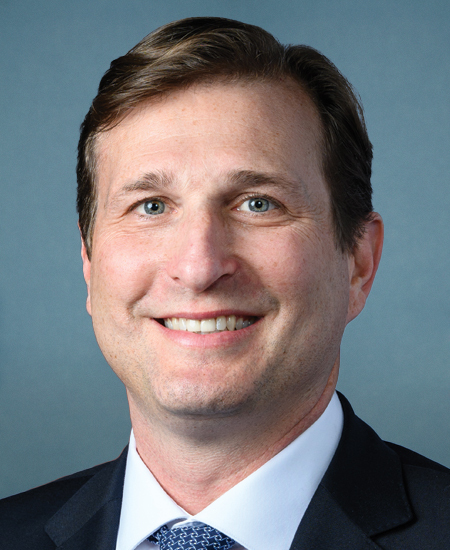
Rep. Daniel S. Goldman
Sponsored bills
Maddy summaryHJRES 89 requires the President to obtain Senate approval (with a two-thirds vote) or new congressional legislation to suspend, terminate, or withdraw from the North Atlantic Treaty (NATO). It prohibits using federal funds for such actions until Congress passes a two-thirds resolution or enacts a law authorizing withdrawal. The bill mandates 180-day written notification to relevant congressional committees (Foreign Affairs and Foreign Relations) before any withdrawal action and authorizes Congress to sue to block unilateral executive moves. This directly affects the executive branch's ability to act unilaterally on NATO membership, reinforcing congressional oversight of treaty obligations.
Maddy summaryThe No Tax Breaks for Union Busting Act would deny tax deductions for employers who attempt to influence employees' decisions about union activities, including unfair labor practices like firing workers for organizing or using captive audience meetings. It targets expenses related to union-busting tactics, such as consulting fees and other costs used to sway workers' opinions about collective bargaining. Employers would need to report these expenses on tax returns and would no longer be able to deduct them from taxable income. The bill aims to prevent employers from using tax-deductible expenses to influence union elections, aligning with existing rules that deny tax deductions for political spending. It would apply to expenses incurred in taxable years beginning 240 days after enactment.
Maddy summaryThis bill requires the Department of Homeland Security to develop a strategy addressing untraceable firearms (ghost guns), defined as privately made or modified weapons lacking serial numbers. It mandates DHS agencies to produce annual threat reports on ghost gun use in terrorism, analyze cross-border smuggling patterns (especially U.S. firearms recovered in Mexico), and track airport security violations involving such weapons. The law also directs the Secret Service to research prevention methods and requires the Transportation Security Administration to report on firearm violations at checkpoints. These provisions focus on improving interagency coordination and data collection on ghost gun threats, without changing gun ownership laws.
Maddy summaryThe FABRIC Act amends the Fair Labor Standards Act to establish new protections for workers in the garment industry. It prohibits piece-rate pay, requiring employers to pay hourly wages that meet or exceed minimum wage standards, while allowing incentive bonuses. The bill creates joint liability for "brand guarantors" (brands that contract with garment manufacturers) for labor violations, and requires garment manufacturers and contractors to register with the Department of Labor, providing detailed business and employee information. The law also establishes an Undersecretary of the Garment Industry and a support program to fund workforce development and equipment for U.S. garment manufacturers. These provisions directly affect garment workers, manufacturers, contractors, and major fashion brands that contract with them.
Maddy summaryHR 5433, the Child Care Stabilization Act, provides $16 billion annually from 2024 to 2028 to stabilize the child care sector through grants administered by the Health and Human Services Secretary. It directly affects licensed child care providers by offering stable funding to cover operating costs, while supporting higher wages for early educators without raising family fees. Key provisions include expanding access to high-quality, affordable care - especially for infants/toddlers, rural communities, and children with disabilities - and addressing shortages in underserved areas. The funding builds on existing American Rescue Plan resources, aiming to strengthen the child care workforce and increase available options for working families.
Maddy summaryHR 5428, the No Tax Breaks for Union Busting (NTBUB) Act, prevents employers from deducting certain expenses related to influencing workers' decisions about union representation. It targets spending on tactics like anti-union meetings, workplace surveillance, or consultants during organizing campaigns, making these costs non-deductible for tax purposes. Employers must report such expenses on their tax returns, including details about the activities and amounts spent. The bill aims to remove tax incentives for employer interference in union elections, aligning with federal labor law protections for workers' collective bargaining rights.
Maddy summaryHR 3152, the "Fight CRIME Act," aims to maintain international restrictions on Iran's missile-related activities by requiring diplomatic efforts to extend these restrictions before they expire in October 2023. The bill mandates annual reports detailing U.S. diplomatic strategies, potential impacts of expiration, and measures to deter missile technology transfers to Iran. It establishes sanctions against foreign individuals or entities that knowingly support Iran's missile or drone programs, including asset freezes and visa restrictions. These sanctions apply regardless of whether UN restrictions remain in effect after their expiration, directly affecting foreign entities involved in these activities.
Women's Business Centers Improvement Act of 2023 This bill reauthorizes the Women's Business Center Program through FY2027, raises the cap on individual center grants, establishes an accreditation program for grant recipients, and revises the duties of the Office of Women's Business Ownership. Specifically, the bill modifies the Women's Business Center Program to enable the Small Business Administration (SBA) to provide initial and continuation grants to eligible entities to operate women's business centers for the benefit of women-owned small businesses. The SBA must also publish standards for a program to accredit entities that receive grants from the Women's Business Center Program, and such entities' receipt of continuation grants shall be contingent upon their obtaining accreditation.
Maddy summaryThis bill prohibits landlords from charging renters application fees, tenant screening fees (including credit checks), and most late fees. It also bans the use of credit scores for tenant screening and requires landlords to disclose total monthly costs, past tenant litigation, ongoing maintenance issues, and 10 years of rent increases before a lease is signed. The law applies specifically to rental properties with federal housing assistance or federally backed mortgages (like FHA or VA loans). Key regulators - HUD, VA, USDA, or FHFA - will enforce these rules for covered properties.