

Maddy summaryHR 2689, the Trust in Government Act of 2023, requires federal agencies to modernize service delivery by creating online tools and reducing paperwork for citizens. It directly affects the public interacting with agencies, mandating specific changes like fully online passport renewals (State Department), expanded IRS electronic filing options (Treasury), centralized online permitting (Interior), simplified SNAP/WIC enrollment (Agriculture), and Social Security document uploads (HHS). Key provisions eliminate physical document requirements where possible, introduce telehealth for workers' compensation (Labor), and establish a single digital platform for veterans' services (VA). Agencies must certify compliance to the Office of Management and Budget (OMB) within 180 days, with quarterly reports to Congress on progress. The law aims to improve public perception of government interactions by making services more efficient and accessible.
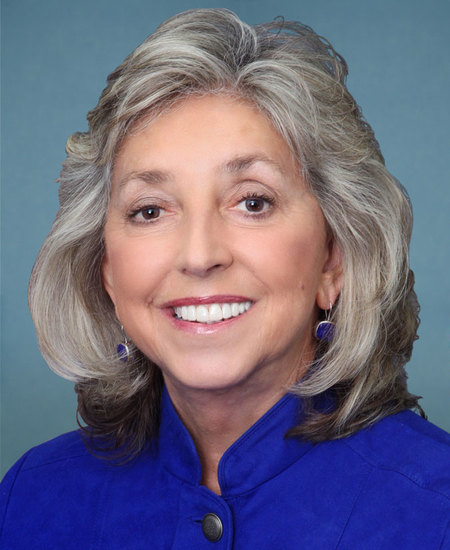
Rep. Dina Titus
Sponsored bills
Maddy summaryThis bill requires state agencies administering the WIC program to publicly post details about infant formula bid solicitations online within 5 business days of posting the bid. Specifically, states must share the bid title, application website, contact information, and deadline via a central federal portal, which the Secretary must then publish publicly within 5 days. It directly affects state WIC agencies and the public by increasing transparency in how states purchase infant formula. The bill creates a new online information-sharing requirement under the Child Nutrition Act, without changing WIC eligibility or benefits.
Maddy summaryThe Teachers LEAD Act of 2023 establishes a federal grant program to support teacher leadership development in public schools. The bill provides $400 million annually to fund structured leadership programs that allow experienced teachers to take on leadership roles while maintaining classroom teaching responsibilities. These programs must include shared decision-making, distributed leadership, and professional development opportunities, with specific requirements for teacher selection, compensation for leadership duties, and data collection on teacher retention. The program prioritizes high-need schools and aims to improve teacher retention, particularly for teachers from underrepresented populations. The Department of Education will track program effectiveness through annual reporting on teacher retention rates and other metrics.
Maddy summaryThe Transit to Trails Act establishes a federal grant program to fund transportation projects connecting critically underserved communities - defined as areas lacking adequate park access, low-income, communities of color, or environmental justice areas - to public lands and recreational spaces. Eligible entities, including states, local governments, tribal organizations, and park districts, can apply for grants to develop transportation connectors (like bus routes) and culturally appropriate education materials, with priority for projects using low-emission vehicles and offering discounted fares for low-income riders. Grants range from $25,000 to $500,000, with federal funding covering up to 80% of costs, and recipients must report on demographics served and project outcomes. The program is funded at $40 million annually in its fifth year, aiming to improve mobility to parks and recreation in communities historically excluded from such access.
Maddy summaryThis bill requires airlines to publish cargo hold dimensions online and offer refunds if a traveler's wheelchair (powered, manual, or scooter) cannot fit. It mandates annual reports tracking wheelchair mishandling (damage, loss, or delay) by type and directs research into whether passengers could safely remain seated in their wheelchairs during flights. The law aims to improve accessibility for travelers with disabilities who rely on mobility devices, with research focusing on costs, demand, and safety for in-cabin wheelchair seating. The Department of Transportation must report findings to Congress within specified timelines.
Maddy summaryHR 2757, the Puerto Rico Status Act, establishes a process for Puerto Rico to determine its political status through a plebiscite on November 2, 2025, offering three options: independence, sovereignty in free association with the United States, or statehood. If no option receives a majority in the initial vote, a runoff plebiscite would be held on March 8, 2026. The bill outlines transition processes for each option, including constitutional conventions, implementation steps, and provisions for citizenship, immigration, and economic benefits. It mandates bilingual voter education materials and requires oversight by the Elections Commission and the Attorney General to ensure fair representation of all options. This legislation directly affects Puerto Rico's residents by providing a structured process to choose their permanent political relationship with the United States.
This resolution declares gun violence to be a public health crisis. It also urges the Centers for Disease Control and Prevention to expand research and data collection on preventing gun violence and the Surgeon General to report on firearm injuries and violence prevention.
Maddy summaryHR 3125 raises the IRS reporting threshold for slot machine winnings from $1,200 to $5,000 per single play. This means casinos and other businesses operating slot machines no longer need to report winnings under $5,000 to the IRS for individual plays. The $5,000 threshold will automatically adjust annually for inflation starting in 2025. The bill affects casinos' reporting obligations but does not change tax liability for gamblers. It becomes effective for winnings after December 31, 2023.
Maddy summaryHR 3046 establishes a federal grant program to support medical education focused on primary care in underserved areas. It provides funding to eligible public colleges in states with severe primary care physician shortages, prioritizing institutions in regions with significant Indian Tribes and public-private partnerships. Grants require schools to use funds for hands-on community training, telehealth integration, mental health care coordination, scholarships, and programs specifically preparing students to serve Tribal, rural, or medically underserved communities after residency. The program authorizes $150 million annually for fiscal years 2023-2025 to expand this training pipeline.
Maddy summaryThe SAFE Banking Act of 2023 would protect banks and financial institutions that provide services to state-legal marijuana businesses and hemp-related businesses by preventing federal regulators from taking adverse actions against them solely for serving these businesses. It clarifies that income from state-legal marijuana businesses can be considered for mortgage applications, and requires regulators to update guidance on suspicious activity reports related to these businesses. The bill does not require financial institutions to serve these businesses, but ensures they won't face penalties for doing so. It extends similar protections to hemp-related businesses, which have faced banking challenges despite being federally legal under the 2018 Farm Bill.