

Maddy summaryHCONRES 108 is a concurrent resolution commemorating the 100th anniversary of the June 3, 1924, designation of the Gila Wilderness as the first federally protected wilderness area in the United States and the world. It recognizes this milestone as the foundation for the national wilderness system and the inspiration for the 1964 Wilderness Act, while honoring the roles of Forest Service employees Aldo Leopold and Arthur Carhart and the Indigenous stewardship of the Apache and Mimbres peoples. As a symbolic resolution, it does not create new laws or policies but serves to acknowledge the Gila Wilderness's enduring preservation without permanent human development, maintaining its status as a protected area managed for conservation.
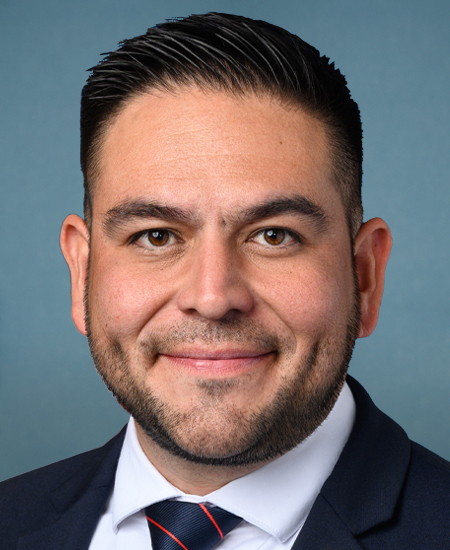
Rep. Gabe Vasquez
Sponsored bills
Maddy summaryHR 895, the Combating Organized Retail Crime Act of 2023, expands federal law to better prosecute organized retail theft by amending sections 2314 and 2315 of Title 18. It clarifies that crimes involving stolen goods valued at $5,000 or more over 12 months - including retail theft - can be prosecuted under existing federal statutes, and broadens definitions to include goods taken via "any facility of interstate or foreign commerce." The bill also creates a new Organized Retail Crime Coordination Center within Homeland Security, requiring it to coordinate federal, state, and local law enforcement efforts, share threat information with retailers, and produce annual public reports on trends. This directly affects law enforcement agencies, retailers, and criminal justice systems by standardizing prosecution thresholds and enhancing interagency collaboration.
Maddy summaryHRES 1230 is a non-binding House resolution recognizing the 15th anniversary of the end of Sri Lanka's civil war (May 18, 2009), which the resolution states resulted in "hundreds of thousands of lives lost." It urges the U.S. to support Eelam Tamil communities' right to self-determination and an independence referendum as a peaceful resolution, while stating the resolution "recognizes the genocide against the Eelam Tamil people." The resolution calls for U.S. diplomatic engagement with Tamil groups and international advocacy for political solutions, but does not create new laws or alter policy. As a symbolic measure, it has no legal effect on U.S. or Sri Lankan government actions.
Maddy summaryThe Public Service Freedom to Negotiate Act of 2024 establishes federal minimum standards for collective bargaining rights for public employees and supervisory employees. The Federal Labor Relations Authority will determine if each state's laws "substantially provide" for these rights, and if not, federal standards will apply to that state. These standards include the right to self-organization, collective bargaining, recognition of labor organizations, and procedures for resolving disputes. The bill preserves existing collective bargaining agreements and excludes certain employee categories like emergency services workers from some provisions.
Maddy summaryHR 8417, the Rural Installation Job Protection Act, requires the Department of Defense to notify Congress at least 30 days before canceling or terminating a contract that would reduce employment by 50 or more contractor employees at remote military installations, or 100 or more total contractor employees. This applies specifically to contractors providing goods or services directly to remote or isolated military installations, where employees reside nearby. The Secretary of Defense may waive this notice requirement for national security reasons but must provide the notice within one week if waived. The bill aims to give Congress advance awareness of potential job impacts at these geographically isolated installations.
Maddy summaryThe Rights for the TSA Workforce Act of 2024 would transition Transportation Security Administration (TSA) employees, particularly screening agents, from TSA-specific personnel rules to the standard federal government personnel system under Title 5 of the U.S. Code by December 31, 2024. The bill prohibits changes to current personnel policies for covered employees until the transition date and ensures no reduction in pay or benefits during the conversion process. It preserves certain benefits like law enforcement availability pay for Federal air marshals and maintains collective bargaining rights for screening agents. The bill also requires various reports to Congress on recruitment, implementation, diversity, and workplace safety to be submitted within specified timeframes.
Maddy summaryThis bill amends USDA conservation programs to prioritize habitat connectivity for native wildlife, particularly big game species like deer, elk, and moose. It allows ranchers with grasslands enrolled in the Conservation Reserve Program to receive cost-share payments for practices that restore wildlife migration corridors and habitat connectivity, while preserving emergency grazing access. The bill increases payment limits for conservation programs and requires incorporating nonstructural methods like virtual fencing into conservation standards. It also directs research funding to study virtual fencing technology's effects on sensitive habitats and big game corridors. These changes directly affect agricultural landowners participating in USDA conservation programs.
Maddy summaryHR 8061, the Crime Victims Fund Stabilization Act of 2024, ensures stable funding for the Crime Victims Fund by directing certain False Claims Act collections into it from 2024 through 2029. Specifically, it adds a provision requiring that amounts collected under the False Claims Act (excluding whistleblower rewards and government reimbursement for damages) be deposited into the fund during this period. This directly affects crime victims who rely on the fund for services like counseling and emergency aid, as it prevents potential shortfalls in funding. The bill makes a concrete policy change by redirecting specific federal civil penalties into the fund, rather than altering the fund's existing purposes or eligibility rules.
Maddy summaryThe No More Narcos Act creates an educational campaign targeting middle and high school students living within 100 miles of the U.S.-Mexico border, focusing on the dangers of working with cartels. It requires the Attorney General and Homeland Security Secretary to develop a national strategy specifically to combat cartels recruiting minors for smuggling or trafficking. The bill also allocates funding from the DOJ Assets Forfeiture Fund to support both the student education program and the national strategy. This law directly affects border-area students aged under 18 by providing prevention resources, without changing existing laws or creating new criminal penalties.
Maddy summaryHR 5530, the VA Emergency Transportation Access Act, prevents the Department of Veterans Affairs (VA) from lowering payment rates for specialized transportation used by veterans and eligible individuals (like ambulances or wheelchair vans) without strict requirements. It mandates that any rate change that could reduce access to care must first undergo a detailed review analyzing economic impacts on the VA and transportation industry, and ensure the new rate covers actual costs. The VA must also develop a formal process for rate changes and consult with industry experts, veterans' groups, and healthcare agencies before implementing such changes. This bill directly affects veterans relying on specialized transportation for medical care, particularly those in rural or underserved communities, by safeguarding their access to necessary emergency transport services.