

Maddy summaryThis is a non-binding resolution expressing the House of Representatives' symbolic support for designating February 27-March 3, 2023, as "Public Schools Week." It does not create new laws, allocate funding, or directly affect any individuals or institutions. The resolution highlights the importance of public schools to democracy, equity, and student success through a series of supporting statements. As a procedural resolution, it has no legal effect beyond acknowledging the significance of public education.
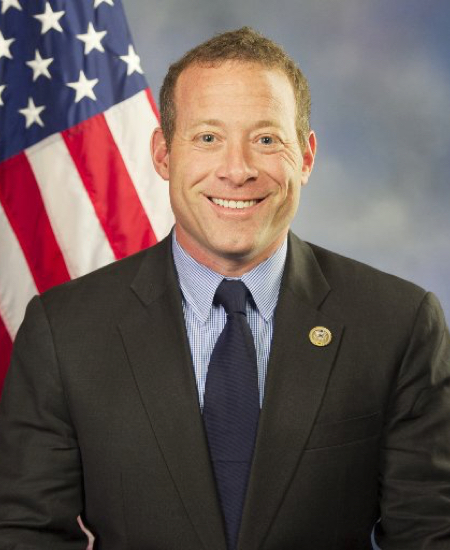
Rep. Josh Gottheimer
Sponsored bills
Maddy summaryHRES 132 is a non-binding House resolution expressing condolences for the over 36,000 earthquake victims in Türkiye and Syria and commending humanitarian response efforts. It specifically condemns the Assad regime for obstructing aid delivery and exploiting the disaster, urging the Biden administration to open all UN border crossings for aid and prevent U.S.-funded assistance from being diverted to Syria’s government. The resolution also calls for continued enforcement of the Caesar Syria Civilian Protection Act to protect Syrian civilians. As a symbolic resolution, it does not create new law but formally directs the administration’s diplomatic approach to the crisis.
Maddy summaryHR 1222, the Buffalo Soldiers Congressional Gold Medal Act of 2023, authorizes a single Congressional Gold Medal to honor the six all-Black cavalry and infantry regiments established in 1866 (later consolidated into four regiments). The medal recognizes their service from the post-Civil War era through World War II, including roles in frontier protection, national park preservation, and combat during major conflicts. After awarding the medal, it will be permanently displayed at the Smithsonian's National Museum of African American History and Culture, with bronze duplicates available for sale to cover costs. This bill is purely commemorative, with no new policies or direct impacts on current laws or individuals.
Maddy summaryHR 1198, the Understanding the True Cost of College Act of 2023, requires colleges and universities receiving federal financial aid to provide standardized financial aid offer forms to all students applying for aid. These forms must clearly break down total college costs (including tuition, housing, food, books, and transportation) and show the net price after subtracting non-repayable grants and scholarships. The bill mandates that loan information be clearly labeled as repayable, with details about interest rates, repayment options, and the distinction between subsidized and unsubsidized loans. This standardization aims to make financial aid offers more transparent and easier for students and families to understand when making college affordability decisions.
Maddy summaryHR 1202, the REDI Act, amends the Higher Education Act to allow medical and dental residents to temporarily pause federal student loan payments without accruing interest during their internship or residency programs. This directly affects borrowers with federal student loans who are enrolled in qualifying medical or dental training programs. The key provision adds a new rule (paragraph 6) ensuring these borrowers qualify for a deferment period where they don't pay principal and interest accrues at 0%. The change modifies existing loan rules to explicitly include medical/dental residents under the "in-school" deferment category. This policy change provides immediate financial relief during a critical training phase for healthcare professionals.
This resolution condemns Russia for committing acts of genocide against the Ukrainian people. It also calls on the United States, in cooperation with North Atlantic Treaty Organization and European Union allies, to undertake measures to support the Ukrainian government to prevent further acts of Russian genocide against the Ukrainian people.
Maddy summaryHR 1190, the "Disclosing Foreign Influence in Lobbying Act," amends the Lobbying Disclosure Act of 1995 to require lobbyists to disclose the name and address of any foreign government or political party (other than the client) that directs, plans, supervises, or controls their lobbying activities. This change directly affects registered lobbyists who work with foreign entities, mandating them to report these foreign influences in their filings. The key provision adds a new requirement to disclosure forms, specifying that foreign governments or political parties involved in controlling lobbying efforts must be named, even if they are not the direct client. This focuses on transparency about foreign involvement in U.S. lobbying, without altering the core lobbying registration framework.
Maddy summaryThis bill makes it a federal crime to defraud veterans of their benefits, including benefits for dependents or survivors. It targets individuals who create schemes to steal or improperly obtain veterans' benefits, with penalties of up to five years in prison or fines. The law directly affects veterans, their families, and anyone seeking to exploit the benefits system. Key provisions define "veterans' benefits" broadly under federal law and establish criminal penalties for fraud attempts.
Maddy summaryThis bill requires drug manufacturers to include patient experience data in the U.S. Food and Drug Administration's risk-benefit assessments for new drug approvals. It amends the Federal Food, Drug, and Cosmetic Act to mandate that sponsors submit and describe how patient experience data was considered during the review process. The law directly affects pharmaceutical companies seeking new drug approvals and the FDA during its evaluation. The key provision adds specific language to the approval framework, making patient experience data a formal part of the assessment.
Maddy summaryHR 1008 adds harmful algal blooms to the list of qualifying events for federal disaster assistance under the Stafford Act, enabling affected communities to access emergency aid. It also requires the CDC to conduct a study on health effects from airborne toxins during blooms within one year of enactment, to be shared with relevant congressional committees. The bill establishes a framework for federal response but does not provide new funding or directly regulate pollution sources. It primarily affects coastal and lake communities where blooms threaten public health, tourism, and local economies through potential beach closures, fishing restrictions, and property value declines.