

Maddy summaryThe Latonya Reeves Freedom Act of 2023 strengthens the Americans with Disabilities Act's requirement that individuals with disabilities receive long-term services and supports in community settings rather than institutions. It defines "community-based" services to include specific housing options where individuals with disabilities can live independently with maximum control over their lives, including access to integrated housing, employment, and community participation. The bill requires states to develop transition plans to move people from institutional settings to community-based services within 12 years, with measurable annual targets for reducing institutionalization. It establishes enforcement mechanisms through the Department of Justice and Department of Health and Human Services to ensure compliance with these requirements.
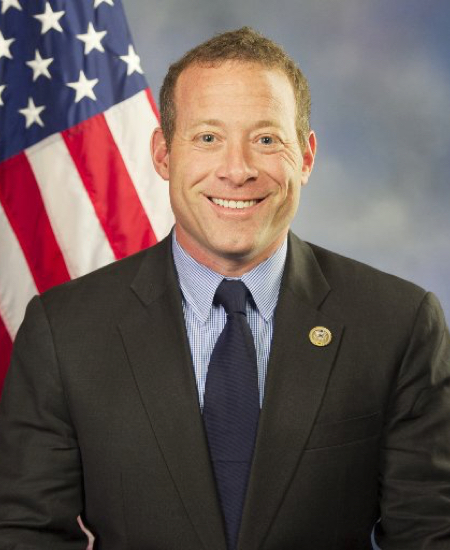
Rep. Josh Gottheimer
Sponsored bills
Maddy summaryThis bill establishes a federal grant program to help states fund child care for the minor children of police officers during their irregular work schedules. It provides competitive grants to states, with 20% reserved for jurisdictions employing fewer than 200 officers, to support law enforcement agencies in creating or expanding child care services. States must match federal funds (10-33% over three years) and use grant money for startup costs, provider training, sick child care, extended hours, or facility construction. The program runs through 2028, requiring annual audits and two federal studies to assess its effectiveness.
Maddy summaryThe Puppy Protection Act of 2023 sets new standards for businesses that sell dogs (dealers), directly affecting pet stores and breeders operating under the Animal Welfare Act. It requires specific housing with space allowances based on dog size (e.g., 12-30 square feet per dog), temperature control (45-85°F), clean food twice daily, and daily exercise or socialization with humans/dogs for at least 30 minutes. The bill also mandates annual veterinary exams including dental care, strict breeding limits (e.g., age restrictions, maximum 2 litters in 18 months), and efforts to place retired breeding dogs in homes instead of selling them to other breeders. Regulations must be finalized within 18 months of enactment.
US Rescue and Aid Individuals of World War II Congressional Gold Medal Act of 2023 This bill provides for the award of a single Congressional Gold Medal to the Americans who were active in aiding and rescuing Jews and other refugees during the period of Nazi Germany's genocidal Final Solution policy to murder every Jew in Europe. The medal recognizes the contributions of these Americans, which resulted in tens of thousands of Jews and others being spared from almost certain death.
Maddy summaryHR 808, the Veterans Patient Advocacy Act, requires the Department of Veterans Affairs (VA) to provide patient advocates at VA medical facilities. Starting one year after the bill's enactment, the VA must ensure at least one patient advocate serves every 13,500 enrolled veterans, with specific efforts to ensure rural veterans can access these advocates, including through rural clinics. The bill also mandates a Government Accountability Office (GAO) report within two years to evaluate how well the VA implements this requirement. This legislation directly affects veterans receiving care through the VA system and VA medical facilities.
Maddy summaryThis bill allows the Department of Veterans Affairs (VA) to use existing funds more flexibly to assist homeless veterans and veterans in HUD housing programs. It authorizes the VA to provide immediate needs like food, shelter, transportation for appointments, and communication devices (e.g., phones, tablets) to support veterans' stability and health. The law expands how VA funds can be applied beyond traditional housing assistance, focusing on urgent, practical support. It directly affects homeless veterans and those in HUD's housing assistance program by enabling faster, more adaptable aid. The bill amends existing VA law to improve responsiveness to veterans' immediate survival and health needs.
Maddy summaryThe VA Same-Day Scheduling Act of 2023 requires the Department of Veterans Affairs to schedule appointments for enrolled veterans during the same phone call when they request care. This applies to veterans enrolled in the VA healthcare system who contact the VA by phone to request appointments. The law mandates that the VA must complete the scheduling during the call - without delay or future scheduling - regardless of the appointment date. The requirement takes effect 120 days after the bill is enacted.
Maddy summaryThis bill amends tax law to allow charitable organizations to fund collegiate housing projects without losing their tax-exempt status. Specifically, it permits 501(c)(3) charities to make grants for building, improving, or maintaining housing properties where full-time students live, as long as the housing is connected to a college or university. Grants cannot fund fitness facilities, and the bill clarifies that housing must primarily serve students (not incidental social activities). It directly affects charitable organizations and universities seeking tax-qualified funding for student housing infrastructure.
Maddy summaryThe Optimizing Postpartum Outcomes Act of 2023 requires the Health and Human Services Secretary to issue guidance within one year on covering pelvic health services (like pelvic floor exams and physical therapy) during the postpartum period under Medicaid and CHIP programs. This guidance will include best practices for payment models, financing options, and standardized terminology to improve access for postpartum women. It also mandates a GAO study on coverage gaps for postpartum services and funds a new CDC-led education campaign to train healthcare providers and inform postpartum women about pelvic health care. The bill directly affects postpartum women enrolled in Medicaid or CHIP, aiming to standardize and expand access to these specific health services.
Maddy summaryHR 2413, the Dental Care for Veterans Act, reclassifies dental care as standard medical services under the VA's existing benefits structure, eliminating prior restrictions that treated dental care separately. It modifies how dental appliances are procured and establishes a phased eligibility timeline: veterans already eligible for dental benefits gain immediate access, while others qualify over 1-4 years based on their current benefit status. The bill affects all veterans currently covered under VA dental programs, changing their access to care without creating new funding. Key provisions streamline dental service delivery under Title 38, aligning it with other medical benefits.