

Maddy summaryHouse Resolution 527 (HRES 527), introduced on June 20, 2023, is a symbolic resolution condemning the rise in antisemitic violence and harassment targeting Jewish Americans. It directly addresses Jewish Americans affected by recorded increases in antisemitic incidents, including attacks on synagogues and hate speech. The resolution calls on all members of Congress to denounce antisemitism, commit to combating it, and advance accurate Holocaust education while countering Holocaust denial. As a non-binding resolution, it expresses congressional solidarity but does not create new laws or funding.
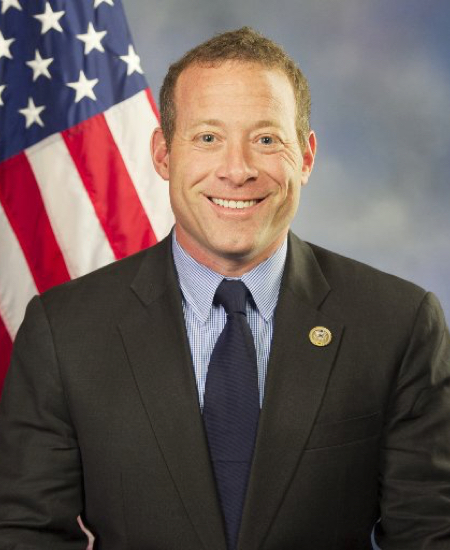
Rep. Josh Gottheimer
Sponsored bills
Maddy summaryHR 4220, the Dental Care for Our Troops Act, creates a dedicated dental benefits plan for members of the Selected Reserve of the Ready Reserve within the military. The bill amends TRICARE law to establish a "no premium" dental plan, meaning Selected Reserve members enrolled in this plan pay no monthly fees or copayments for covered dental care. Key provisions include removing all cost-sharing requirements for dental services under this specific plan and adding a new subsection ensuring members receive care without charges. This directly affects military reservists who serve in the Selected Reserve, providing them with free dental coverage under TRICARE.
Maddy summaryThe Healthcare for Our Troops Act eliminates premiums for individual TRICARE Reserve Select healthcare coverage for members of the Selected Reserve (part-time military members) while establishing a no-premium dental plan for these service members. It also adjusts eligibility for retirees under 60 who receive retired pay for non-regular service. The bill requires new forms for healthcare providers to track medical and dental readiness of Selected Reserve members, and mandates a study on replacing mass medical events with the new coverage model. These changes apply to TRICARE healthcare beginning one year after the bill's enactment.
Maddy summaryThis bill expands benefits for National Guard members injured during state duty. It allows members to qualify for military retirement pay based on disabilities incurred while performing "State active duty" (e.g., responding to natural disasters under state governor authority), not just federal deployments. It also creates a new VA health care program covering treatment for disabilities from state duty, with limits: VA care is only provided after exhausting other insurance claims and subject to annual funding. These changes directly affect National Guard members injured during state missions, ensuring they can access retirement pay and VA medical care without duplicating existing federal or state disability benefits.
Multiple Firearm Sales Reporting Modernization Act of 2023 This bill expands reporting requirements with respect to sales or dispositions of multiple firearms. Currently, a federal firearms licensee (e.g., a gun dealer) must report multiple sales or dispositions of pistols or revolvers to the same person within five business days. This bill requires a federal firearms licensee to report multiple sales or dispositions of any firearms to the same person within five business days.
Maddy summaryThis bill requires all U.S. flags displayed on federal property or purchased by federal agencies to be 100% made in the United States, meaning all materials and manufacturing must occur domestically. It directly affects federal agencies (including military departments, legislative/judicial branches, and U.S.-owned corporations) and their procurement of flags for display on government property. Key provisions include a 90-day implementation for new flag purchases and a 2-year phase-in for display requirements, with a separate mandate for the FTC to study and report on country-of-origin labeling enforcement for flags within one year. The bill does not apply to private entities or flags displayed off federal property.
Maddy summaryHR 4121, the Right to Contraception Act, establishes a federal statutory right for individuals to access contraceptives and contraception services without government restriction or coercion, directly affecting all people seeking reproductive care and health care providers. The bill prohibits state or federal laws that limit access to contraceptives (defined broadly to include devices, drugs, and fertility methods), prevent individuals from obtaining or using them, or allow providers to refuse services based on personal beliefs. It preempts conflicting state laws, requires any restrictions to be justified by "clear and convincing evidence" of advancing access with no less restrictive alternative, and allows private lawsuits to challenge violations. The Act applies nationwide to all health care providers and individuals, protecting access regardless of factors like race, income, or location.
Maddy summaryHR 4076 establishes a joint U.S.-Israel program to fund health technology development, authorizing $4 million annually (2024-2026) through the U.S. Health and Human Services Department. It requires Israel to match U.S. funding and focuses on collaborative projects in artificial intelligence, vaccines, telemedicine, diagnostic tests, and data-driven personalized medicine for emerging infectious diseases. The program can either build on an existing U.S.-Israel agreement or create a new one under a 2008 science cooperation framework. This bill directly affects U.S. federal health agencies and the Israeli government, with funds restricted to joint projects meeting specific technological and health priorities.
Maddy summaryHR 3946, the FASD Respect Act, establishes a new federal program within the Department of Health and Human Services (HHS) to address fetal alcohol spectrum disorders (FASD). The bill creates FASD Centers for Excellence to build state, tribal, and national capacity for prevention, identification, and support services - directly affecting individuals with FASD, their families, and healthcare providers. Key provisions include developing standardized diagnostic guidelines, expanding screening and training for medical professionals, creating a national resource directory for FASD services, and promoting culturally informed interventions. The program requires HHS to report to Congress on progress within four years. This legislation restructures existing HHS authority to focus comprehensively on FASD across the lifespan, replacing older terminology with consistent "FASD" references.
Maddy summaryThe Senior Legal Hotline Act of 2023 creates a federal grant program to fund statewide legal assistance hotlines for older adults. It authorizes $10 million annually (2024-2028) for competitive grants to nonprofit organizations or partnerships that establish free legal hotlines providing telephone-based counseling, referrals, and advocacy to seniors. These hotlines must prioritize older individuals with the greatest economic and social need, coordinate with state agencies and other legal aid providers, and ensure trained staff/volunteers serve all areas of the state. The bill directly affects seniors across all 50 states through expanded access to no-cost legal help for civil issues like housing, benefits, and elder abuse.