

Maddy summaryHR 1639 establishes a 5-year pilot program at five VA medical centers to implement the Zero Suicide Institute's curriculum, aiming to improve suicide care for veterans. The program requires participating sites to train staff on standardized suicide screening, assessment, treatment protocols, and safety planning over ten weeks, with one site specifically serving rural veterans. It mandates annual reporting to Congress on staff training completion, policy alignment with the Institute's standards, and comparisons of suicide-related outcomes (like screening rates and hospitalizations) between pilot sites and other VA facilities. This directly affects veterans receiving care at the selected VA medical centers by changing how suicide risk is managed within their treatment.
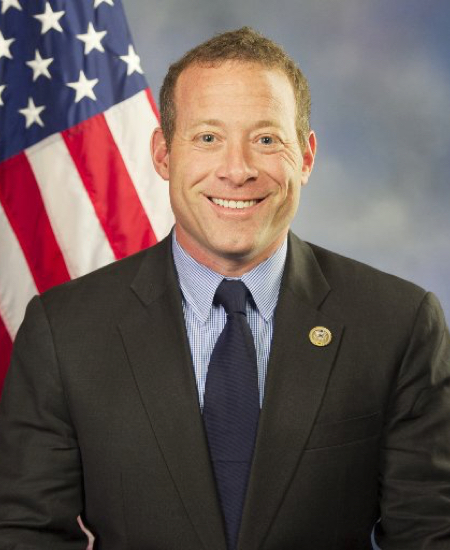
Rep. Josh Gottheimer
Sponsored bills
Maddy summaryThis bill requires the Department of Veterans Affairs (VA) to reimburse veterans for travel expenses at the same rate used for government employees traveling on official business. It directly affects veterans receiving VA medical care who travel using personal vehicles, ensuring their mileage reimbursement matches the federal standard set by the General Services Administration. The key change aligns the VA's reimbursement rate with the existing federal government rate (currently 41.5 cents per mile), eliminating the previous fixed rate and requiring annual updates to reflect current government standards.
Maddy summaryThis bill, HR 1282 (Major Richard Star Act), expands benefits for certain military retirees by allowing them to receive both veterans' disability compensation and military retirement pay simultaneously. It specifically affects combat-related disabled retirees under Chapter 61 of the military retirement system who have fewer than 20 years of service. The key change removes the automatic reduction of military retirement pay when these retirees also receive disability compensation, as amended in Section 1413a(b)(3) of Title 10. Technical updates to the law’s structure and effective date (starting after enactment) complete the provisions.
Mercury 13 Congressional Gold Medal Act This bill provides for the award of a Congressional Gold Medal to commemorate the Mercury 13 in recognition of their accomplishments as part of the First Lady Astronaut Trainees (FLATs) Program (a privately funded project testing women pilots for astronaut fitness in the 1960s), their work for gender equity, and their example of women in the science, technology, engineering and mathematics (STEM) fields.
Maddy summaryHJRES 82 is a non-binding resolution stating that the Equal Rights Amendment (ERA) has been validly ratified by the required 38 states (including Virginia's 2020 ratification) and should be certified as the 28th Amendment to the U.S. Constitution. It directs the Archivist of the United States to fulfill their statutory duty under Title 1, U.S. Code, to certify and publish the ERA without delay. The resolution argues Article V of the Constitution has no ratification deadline, citing precedents like the 27th Amendment. It does not change the Constitution itself but urges the Archivist to complete the certification process. The bill affects the Archivist’s office, requiring them to act on the ERA’s ratification status.
Maddy summaryHRES 580 is a symbolic resolution expressing the House's support for designating "Journeyman Lineworkers Recognition Day." It honors lineworkers who work in hazardous conditions (such as at heights near live wires) and respond to disasters like hurricanes and wildfires, while recognizing their contributions and the legacy of Henry Miller, an early electrical worker who died on the job. The resolution has no legal effect - it solely encourages public recognition and reflection on these workers' service.
Protecting Kids from Fentanyl Act of 2023 This bill permits the use of the Preventive Health and Health Services Block Grant to address fentanyl in educational institutions. Specifically, grant funds may be used to (1) purchase naloxone or other opioid overdose reversal drugs for educational institutions, (2) train school nurses and other personnel on how to administer them, and (3) provide fentanyl awareness classes or materials to students.
Maddy summaryThis bill requires the Committee on Foreign Investment in the United States (CFIUS) to review real estate transactions involving foreign adversaries (including China, Russia, Iran, and North Korea) near sensitive sites like military installations, ports, or critical infrastructure. It defines "elevated risk real estate transactions" as purchases or leases by foreign adversaries near such sites, creating a presumption that these deals pose unresolvable national security risks unless CFIUS explicitly approves them with evidence. The bill also adds food security considerations to CFIUS reviews and mandates declarations for these high-risk transactions. These changes aim to prevent foreign adversaries from gaining access to strategic U.S. land or infrastructure through real estate deals.
Maddy summaryThe RISE from Trauma Act creates federal grants to support community-based coordination of trauma-informed services for children, youth, and families who have experienced or are at risk of trauma. It provides up to $6 million per grant to local entities that bring together diverse stakeholders (including schools, healthcare providers, law enforcement, and community organizations) to develop local strategies for preventing trauma, promoting resilience, and improving outcomes in health, education, and child welfare. The bill reauthorizes and expands existing programs like the National Child Traumatic Stress Network, school-based trauma support services, and hospital-based interventions for trauma patients. It also includes specific funding increases for these programs and requires grant recipients to prioritize communities with high rates of trauma exposure, including those affected by violence, substance misuse, or systemic inequities.
Maddy summaryHRES 589 is a non-binding House resolution calling for the removal of harmful Native-themed symbols - such as race-based logos, mascots, and names - from state schools and national sports teams. It directs the Secretary of Education to collaborate with Tribal Nations and stakeholders to eliminate these symbols in state educational institutions, particularly those receiving federal funds. The resolution urges schools and sports franchises to stop using such imagery without permission, citing research showing these symbols negatively impact Native students' self-esteem and perpetuate stereotypes. It does not create new laws but seeks to align educational and sports practices with the goal of reducing racial harm.