

Maddy summaryHR 5428, the No Tax Breaks for Union Busting (NTBUB) Act, prevents employers from deducting certain expenses related to influencing workers' decisions about union representation. It targets spending on tactics like anti-union meetings, workplace surveillance, or consultants during organizing campaigns, making these costs non-deductible for tax purposes. Employers must report such expenses on their tax returns, including details about the activities and amounts spent. The bill aims to remove tax incentives for employer interference in union elections, aligning with federal labor law protections for workers' collective bargaining rights.
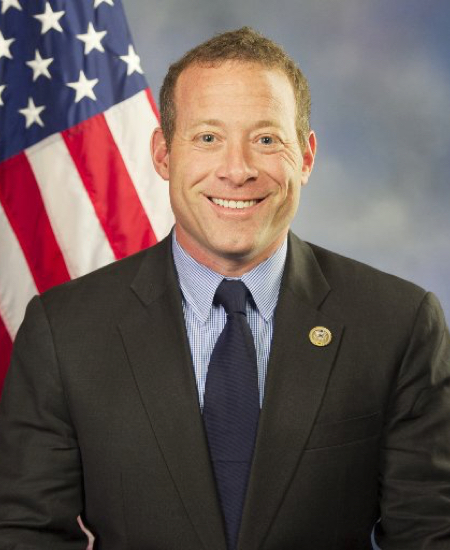
Rep. Josh Gottheimer
Sponsored bills
Maddy summaryHR 3152, the "Fight CRIME Act," aims to maintain international restrictions on Iran's missile-related activities by requiring diplomatic efforts to extend these restrictions before they expire in October 2023. The bill mandates annual reports detailing U.S. diplomatic strategies, potential impacts of expiration, and measures to deter missile technology transfers to Iran. It establishes sanctions against foreign individuals or entities that knowingly support Iran's missile or drone programs, including asset freezes and visa restrictions. These sanctions apply regardless of whether UN restrictions remain in effect after their expiration, directly affecting foreign entities involved in these activities.
Maddy summaryHRES 677 is a symbolic House resolution condemning Russia for actions that worsen global food insecurity. It specifically targets Russia's invasion of Ukraine, including its blockade of Ukrainian Black Sea ports, attacks on grain infrastructure, and suspension of the Black Sea Grain Initiative - measures that disrupted Ukraine's role as a major global grain exporter (supplying 11% of world cereals). The resolution demands Russia cease targeting grain facilities, resume participation in the Grain Initiative, and stop weaponizing food shortages. It affirms that Russia's actions, not sanctions, are the cause of rising global food insecurity, which the resolution links to U.S. national security. This resolution does not enact new laws but formally expresses congressional opposition to Russia's tactics.
Maddy summaryHRES 679 is a symbolic House resolution supporting the designation of September 10-16, 2023, as "Celebrate Community Week." It recognizes four international service organizations - Kiwanis International, Lions Clubs International, Optimist International, and Rotary International - for their community service efforts. The resolution encourages these groups to continue promoting community service, especially for youth, and applauds their annual projects addressing needs like youth development, health, education, and humanitarian challenges. It has no funding or policy changes; it simply expresses congressional support for their volunteer work.
Maddy summaryHR 5413, the Prevent Youth Suicide Act, requires all schools serving grades 6-12 that receive federal education funds to implement specific suicide prevention and support protocols within 210 days of enactment. The bill mandates evidence-based staff training every two years to identify student suicide risks, establish referral systems to mental health resources, reduce stigma through awareness campaigns, and adopt trauma-informed care practices. Schools must also create postvention plans for after a suicide occurs, including grief counseling support and collaboration with mental health professionals. These requirements apply directly to school districts and institutions receiving federal education funding under applicable programs. The Secretary of Education will provide technical assistance and monitor compliance with these rules.
Equality in the Halls of Congress Act This bill authorizes the President to invite each U.S. territory to provide and furnish no more than two statues for placement in National Statuary Hall.
Maddy summaryHRES 670 is a non-binding resolution expressing the House of Representatives' sense that all 50 states should include the September 11, 2001, terrorist attacks in elementary and secondary school curricula. It aims to ensure students learn about this historical event to honor the 2,977 victims and remember its significance, though it does not require states to change education standards. The resolution highlights the attacks as a pivotal moment that shaped U.S. national security and calls for continued remembrance through education. As a procedural resolution, it carries no legal force but seeks to encourage state-level curriculum decisions.
Maddy summaryThis bill increases the annual tax deduction for out-of-pocket classroom supply expenses from $250 to $1,000 for eligible educators, including K-12 teachers in public and private schools. It updates the Internal Revenue Code to replace the term "elementary and secondary school teachers" with "eligible educators" and adjusts related references to years and amounts. The change applies to taxable years beginning after December 31, 2022, meaning educators can claim the higher deduction starting with 2023 tax filings. The bill directly affects teachers and school staff who typically cover classroom costs personally.
Maddy summaryThe Patriot Day Act would add "Patriot Day" to the list of federal holidays in the U.S. Code (specifically, 5 U.S.C. § 6103(a)), requiring federal offices to close on that day. This designation would formally recognize Patriot Day as a national observance, though the bill does not specify its date. The change would affect federal employees and agencies, aligning Patriot Day with other established holidays like Labor Day. The bill is procedural, focusing solely on naming the holiday without altering other policies.
Women's Business Centers Improvement Act of 2023 This bill reauthorizes the Women's Business Center Program through FY2027, raises the cap on individual center grants, establishes an accreditation program for grant recipients, and revises the duties of the Office of Women's Business Ownership. Specifically, the bill modifies the Women's Business Center Program to enable the Small Business Administration (SBA) to provide initial and continuation grants to eligible entities to operate women's business centers for the benefit of women-owned small businesses. The SBA must also publish standards for a program to accredit entities that receive grants from the Women's Business Center Program, and such entities' receipt of continuation grants shall be contingent upon their obtaining accreditation.