

Maddy summaryHRES 1233 is a symbolic resolution supporting National Honor Our LGBT Elders Day. It does not create new laws or allocate funds but encourages federal, state, and local entities to observe the day through programs raising awareness about health disparities and unique challenges faced by LGBTQ+ older adults. The resolution specifically urges healthcare providers to offer culturally competent care and calls for prioritizing the health and human rights of LGBTQ+ elders in government and aid efforts. It directly affects LGBTQ+ elders by highlighting their needs, though it has no binding legislative effect.
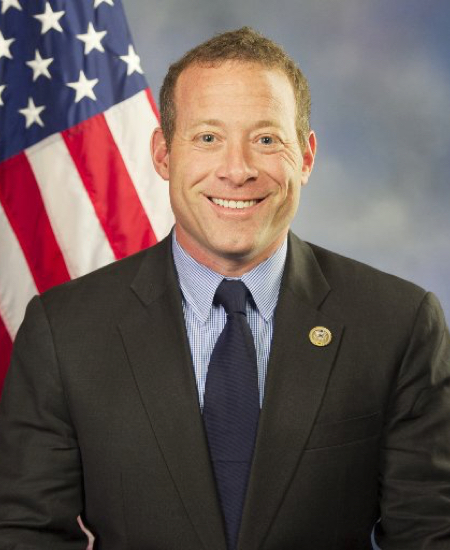
Rep. Josh Gottheimer
Sponsored bills
Maddy summaryThe No Private Rides Act (HR 8569) prohibits using federal funds to provide the chief executive officer of the Metropolitan Transportation Authority (MTA) with a personal vehicle or a personal driver. This bill directly affects the MTA CEO by banning federal financing for these specific transportation benefits. The key provision explicitly restricts federal fund allocation for such executive perks, requiring the MTA to cover related costs with non-federal resources if they choose to provide them. The bill does not alter the MTA's overall federal funding but limits how those funds can be spent on executive transportation services.
Maddy summaryHR 8444 establishes two federal grant programs to improve mental health support in schools. The School Mental Health Awareness Program funds evidence-based education for all students on mental wellness, destigmatization, and coping skills, while the Mental Health Career Promotion Program exposes high school students to mental health careers through internships, mentorships, and partnerships with professionals. Grants require culturally appropriate, trauma-informed activities and mandate annual outcome reporting on student and program effectiveness. The bill authorizes $50 million annually for each program from 2025-2029 to support schools partnering with mental health providers and community organizations.
Maddy summaryThe SCREENS for Cancer Act of 2024 reauthorizes and expands the National Breast and Cervical Cancer Early Detection Program (NBCCEDP), which provides free screenings and care coordination to low-income, uninsured, or underinsured women. It increases annual funding from $275 million (2024) to $500 million (2028) and explicitly adds "prevention" to the program’s mission, requiring it to reduce racial and ethnic disparities in cancer outcomes. The bill mandates the program to address barriers like social determinants of health and implement evidence-based strategies to boost screenings, particularly for underserved communities disproportionately affected by pandemic-related screening declines. This directly benefits millions of women, especially Black, Hispanic, and Asian women, who face higher cancer death rates and reduced access to care.
Maddy summaryThis bill reauthorizes the National Alzheimer's Project Act through 2035 (extending the previous deadline of 2025) and adds new requirements to promote healthy aging and reduce Alzheimer’s risk factors. It mandates the program to provide information on healthy behaviors that may lower cognitive decline risk and expands the advisory group to include representatives from agencies like the Department of Justice, FEMA, and Social Security Administration, plus experts with diverse clinical trial experience. The bill directly affects Alzheimer’s research, care programs, and the federal advisory group overseeing national efforts. Key changes include requiring annual evaluations instead of initial ones and adding a focus on reducing health disparities in Alzheimer’s initiatives.
Maddy summaryHR 895, the Combating Organized Retail Crime Act of 2023, expands federal law to better prosecute organized retail theft by amending sections 2314 and 2315 of Title 18. It clarifies that crimes involving stolen goods valued at $5,000 or more over 12 months - including retail theft - can be prosecuted under existing federal statutes, and broadens definitions to include goods taken via "any facility of interstate or foreign commerce." The bill also creates a new Organized Retail Crime Coordination Center within Homeland Security, requiring it to coordinate federal, state, and local law enforcement efforts, share threat information with retailers, and produce annual public reports on trends. This directly affects law enforcement agencies, retailers, and criminal justice systems by standardizing prosecution thresholds and enhancing interagency collaboration.
Maddy summaryThis resolution (HRES 616) condemns the Taliban's ongoing human rights abuses in Afghanistan, specifically targeting women, girls, religious minorities (including Hazaras and Sikhs), and ethnic groups. It expresses support for Afghans who assisted U.S. missions and calls for the U.S. government to halt Taliban violence and address systemic repression. Key mechanisms include urging the State Department to assess potential crimes against humanity, developing strategies to support human rights defenders, and expediting refugee processing for Afghans with Special Immigrant Visas. The resolution does not impose new legal requirements but formalizes congressional stance and policy guidance. It directly affects U.S. foreign policy implementation toward Afghanistan.
Maddy summaryThis bill requires the President to provide Congress with a 15-day written notice before pausing, delaying, or suspending U.S. arms shipments to Israel, including detailed justification and impact analysis. It establishes strict congressional review periods: 15 days for initial review, plus additional 10-12 day windows if Congress introduces a disapproval resolution, effectively giving lawmakers significant power to block such pauses. The bill directly affects the President and the White House by restricting unilateral decisions on military aid to Israel, specifically targeting delays like the May 2024 pause on bomb shipments. Key provisions define "covered defense articles" as weapons under existing export laws and mandate transparency about funding, end users, and potential impacts on Israel’s military edge.
Maddy summaryHR 8469, the Diverse Cybersecurity Workforce Act of 2024, requires the Cybersecurity and Infrastructure Security Agency (CISA) to establish a new program within its existing education initiative. The program targets underrepresented groups in cybersecurity, including racial and ethnic minorities, women, veterans, people with disabilities, older individuals (40+), those from low-income backgrounds, and people with nontraditional educational paths (like community colleges or HBCUs). CISA must tailor outreach to schools, unions, community colleges, and local workforce offices to promote cybersecurity careers in these communities. The bill authorizes $20 million annually (2025-2030) and mandates annual reports to Congress on the program's impact on workforce diversity.
Maddy summaryHR 8478, the Empowering States to Protect Seniors from Bad Actors Act, creates a federal grant program to help state agencies combat financial fraud targeting seniors. The bill authorizes $10 million annually (2025-2030) for competitive grants to state securities commissions and insurance departments, capped at $500,000 per agency per year (or $1 million for combined agencies). Grant funds can be used to hire staff, provide training, develop educational materials, and improve state laws to prevent and investigate fraud against seniors aged 62+ - including cases involving caregivers or fiduciaries. States must submit detailed plans to identify victims, support investigations, and report annually on fund usage and program effectiveness.