

Maddy summaryHRES 1063 is a non-binding resolution passed by the U.S. House of Representatives to reaffirm America's commitment to NATO ahead of its 75th anniversary. It formally recognizes NATO's role in collective security, emphasizes Article 5's importance for mutual defense, and supports Finland and Sweden's membership. The resolution also calls on NATO allies to meet the 2% defense spending target, but does not create new laws or affect specific individuals or groups.
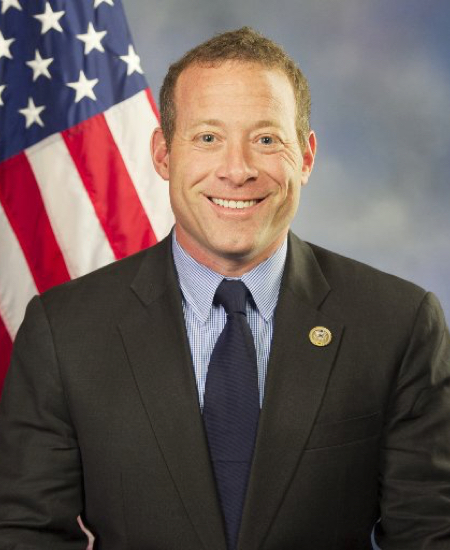
Rep. Josh Gottheimer
Sponsored bills
Maddy summaryThe Public Service Freedom to Negotiate Act of 2024 establishes federal minimum standards for collective bargaining rights for public employees and supervisory employees. The Federal Labor Relations Authority will determine if each state's laws "substantially provide" for these rights, and if not, federal standards will apply to that state. These standards include the right to self-organization, collective bargaining, recognition of labor organizations, and procedures for resolving disputes. The bill preserves existing collective bargaining agreements and excludes certain employee categories like emergency services workers from some provisions.
Maddy summaryThe Small Business Language Accessibility Act requires the Small Business Administration (SBA) to update its regulations so that small business development centers (SBDCs) must assess whether language translation services are needed for their clients. This directly affects SBDCs - which provide free business support to small businesses - and the small business owners who use these services, particularly those with limited English proficiency. Within 180 days of the law taking effect, the SBA must revise a specific regulation (13 CFR §130.330(a)) to mandate this assessment as part of each SBDC’s needs evaluation process. The law aims to improve access to SBA resources by ensuring language barriers are identified before services are delivered.
Maddy summaryHR 8423, the Elder Pride Act of 2024, creates a new grant program under the Older Americans Act to support LGBTQI older adults and other protected-class older adults living in rural areas. The bill authorizes $5 million annually for grants to states, tribes, nonprofits, or community organizations to fund specific activities like reducing isolation, improving cultural competency among service providers, expanding non-discrimination policies (including for gender identity and intersex traits), and providing sexual health services (including HIV care). Grants must supplement, not replace, existing state or local funding for these services. The program requires grantees to partner with local organizations and report annually on activities to Congress.
Maddy summaryThe READ Act Reauthorization Act of 2023 extends the authorization period for the Reinforcing Education Accountability in Development Act (commonly known as the READ Act) from five to ten fiscal years. This change allows U.S. international education programs, administered by agencies like USAID, to operate without annual reauthorization for a longer period. The bill directly affects programs providing educational support in developing countries, such as teacher training and literacy initiatives. The key mechanism is amending Section 4(a) of the existing law to adjust the funding duration, ensuring continued program stability.
Maddy summaryHR 8379, the ETA Act of 2024, makes two specific Transportation Department rules permanently binding law. It codifies the "Refunds and Other Consumer Protections" rule (effective April 26, 2024) requiring airlines to provide clear refund policies and timelines, and the "Enhancing Transparency of Airline Ancillary Service Fees" rule (effective April 30, 2024) mandating airlines to disclose all extra fees (like baggage or seat selection) upfront during booking. These provisions directly affect airlines by requiring standardized fee disclosure and refund processes, and passengers by ensuring clearer cost information before purchase. The bill does not create new rules but gives existing regulations the force of law.
Maddy summaryHRES 1226 is a non-binding resolution honoring 282 law enforcement officers killed in the line of duty during 2023, listed by name in the resolution. It formally acknowledges their sacrifice, expresses unwavering support for current officers, and recognizes the need for adequate resources to protect them. The resolution does not create new laws or policies but serves as a ceremonial tribute to memorialize fallen officers and support their families, aligning with existing National Police Week observances established since 1962.
Maddy summaryThis bill requires colleges and universities receiving federal funding to report incidents of antisemitism reported to campus security or local police to the U.S. Department of Education. It defines antisemitism as "a certain perception of Jews, which may be expressed as hatred" and includes both verbal and physical acts targeting Jewish individuals, institutions, or religious sites. Institutions must also report their responses and remedies for each incident. Additionally, the bill mandates that all recipients of federal education grants annually acknowledge that intentional discrimination violations could result in losing all federal funding. The law directly affects all higher education institutions covered under the Higher Education Act.
Maddy summaryThe Rights for the TSA Workforce Act of 2024 would transition Transportation Security Administration (TSA) employees, particularly screening agents, from TSA-specific personnel rules to the standard federal government personnel system under Title 5 of the U.S. Code by December 31, 2024. The bill prohibits changes to current personnel policies for covered employees until the transition date and ensures no reduction in pay or benefits during the conversion process. It preserves certain benefits like law enforcement availability pay for Federal air marshals and maintains collective bargaining rights for screening agents. The bill also requires various reports to Congress on recruitment, implementation, diversity, and workplace safety to be submitted within specified timeframes.
Maddy summaryHRES 1206 is a symbolic House resolution supporting the designation of May 2024 as "Mental Health Awareness Month." It does not create new laws or funding but aims to raise public awareness about mental health challenges, emphasizing the need to reduce stigma and treat mental well-being as equally important as physical health. The resolution cites statistics on rising mental health crises - including increased anxiety, depression, and suicide rates among youth, LGBTQ+ individuals, veterans, and communities of color - to underscore the urgency of the issue. It encourages nationwide efforts to promote mental health awareness and access to care during this designated month.