

Maddy summaryHRES 771 is a non-binding resolution expressing the U.S. House of Representatives' support for Israel following Hamas' October 7, 2023, attack. It condemns Hamas' actions, affirms Israel's right to self-defense, and calls for the immediate release of hostages. The resolution also urges enforcement of existing laws restricting aid to terrorists and sanctions against Iran for supporting Hamas. It does not create new policies or allocate funds, as it is a symbolic statement of congressional support.
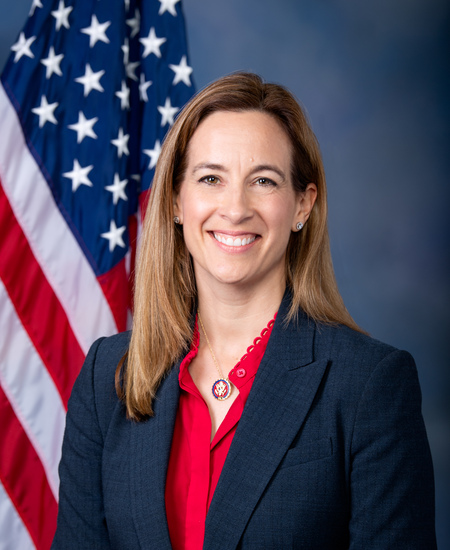
Rep. Mikie Sherrill
Sponsored bills
This resolution expresses unwavering support for Israel and a readiness to consider urgent requests for additional assistance to Israel to defend its people and sovereignty. The resolution also states that (1) Israel is entitled to act in self-defense against Hamas, the Palestinian Islamic Jihad, and associated forces, as well as their state sponsors; and (2) the cross-border attacks and kidnappings against Israel constitute acts of international terrorism and aggression.
Maddy summaryHRES 768 is a symbolic House Resolution expressing congressional support for Israel following Hamas' October 7, 2023 attacks. It condemns Hamas' actions, reaffirms Israel's right to self-defense, and calls for the immediate release of hostages. The resolution references the U.S. commitment to Israel's security through existing military aid programs, including the 2016 U.S.-Israel Memorandum of Understanding, and emphasizes enforcement of laws like the Taylor Force Act to prevent U.S. aid from reaching terrorist groups. As a symbolic resolution, it does not create new policy but serves as a statement of congressional support for Israel.
Maddy summaryThis bill requires the Department of Defense to report on at-home child care programs for military families, including program changes and challenges military spouses face with licensing or relocation. It also mandates a feasibility study to standardize licensing requirements, remove barriers to program expansion, and support military spouse employment in these roles. The report and study must be submitted to congressional committees within 39 months and 180 days after the report, respectively. The bill directly affects military spouses seeking child care employment by addressing systemic hurdles in accessing these jobs.
Maddy summaryThis bill removes a previous exclusion that prevented temporary federal employees (including U.S. Postal Service staff and Members of Congress) from counting service after January 1, 1988, toward their retirement benefits. It allows these workers to have their post-1988 temporary service counted toward retirement eligibility if they pay a deposit to the retirement system. The change applies to anyone employed by the federal government on or after the bill's enactment date. The Office of Personnel Management must notify affected employees and create rules to implement this change.
Maddy summaryThis bill, HR 5920 (Student Loan Marriage Penalty Elimination Act of 2023), changes how married couples can deduct student loan interest on their federal taxes. It amends the tax code to allow each spouse to claim a separate $2,500 deduction limit for student loan interest, instead of a single combined limit for the couple. This directly affects married couples filing jointly who pay student loan interest and qualify for the deduction. The change applies to tax years beginning after December 31, 2022, and ensures the deduction aligns with the tax treatment for individual filers.
Maddy summaryHR 5908, the "Strengthening Communities through Summer Employment Act," authorizes $200 million to $240 million annually (2024-2028) for the Department of Labor to fund summer youth employment programs. It requires grantees to provide subsidized summer jobs (minimum 4 weeks at minimum wage) for youth under 25, including mandatory mentoring, job training, and post-program support to improve graduation rates, college enrollment, employment, and reduce crime. Programs must prioritize communities with high youth unemployment and violent crime, and serve historically underserved youth in rural or suburban areas. The bill also mandates independent evaluations to measure long-term impacts on participants’ education, employment, and criminal justice outcomes.
Maddy summaryThe Rail Worker and Community Safety Act establishes a minimum 2-person crew requirement for most freight trains (with exceptions for smaller carriers or specific low-risk operations), mandates new safety regulations for hazardous materials transportation including advance notification to emergency response agencies, and requires rail carriers to provide employees with earned paid sick time (1 hour for every 30 hours worked). The bill also sets a minimum requirement of 425 federal rail safety inspectors with specialized expertise across various safety domains, along with additional funding for hiring and compensation. These provisions directly affect rail carriers, rail workers, and communities near rail operations, aiming to enhance rail safety and worker protections through concrete policy changes.
Maddy summaryHR 5653, the "No Budget, No Pay Act," requires Congress to pass a budget plan by April 15 and all annual funding bills by September 30 each year, or members lose pay for the period starting the day after each deadline until the bills are approved. It directly affects all voting Members of Congress (including delegates) during the specified penalty periods, excluding the Vice President. The bill imposes a financial consequence for missing these budget deadlines, aiming to incentivize timely fiscal planning by withholding compensation for the duration of the delay. This is a procedural mechanism focused on budget process deadlines, not on substantive policy changes.
Maddy summaryThis bill adds a new student loan deferment option for individuals who experienced sex-based harassment. It allows eligible students to pause loan payments for up to 3 years (in periods of 3-12 months) if they reduced their course load due to harassment and submitted documentation to a covered individual (like a Title IX coordinator or healthcare provider). It also waives requirements for students to return federal grants or loans if they withdrew due to harassment and are using the new deferment. The policy directly affects students enrolled in institutions covered under the Higher Education Act who report harassment under defined terms, including sexual harassment, dating violence, domestic violence, stalking, or sexual assault.