

Maddy summaryHR 2777, the School Meals during School Closures Act, allows schools to continue providing meals during certain closures without following standard meal program rules. It directly affects schools and meal providers by enabling the Secretary to waive requirements under the National School Lunch Act for closures due to strikes (excluding employer lockouts), weather disasters, public health emergencies, unsafe facilities, construction, or other unanticipated events. The key provision creates a new waiver exception (added to Section 12 of the Act) that skips specific regulatory hurdles normally required for meal services during these closures. This change ensures students can still receive meals when schools close unexpectedly for covered reasons.
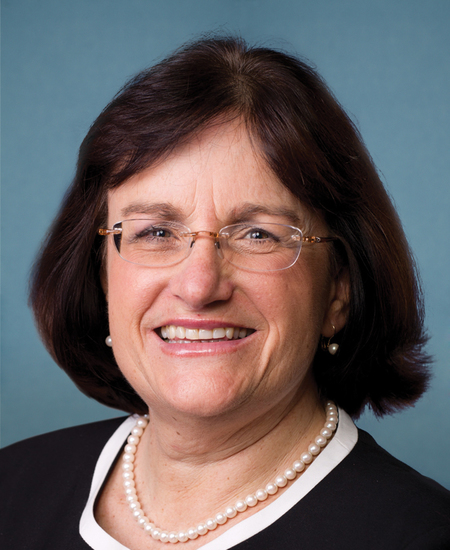
Rep. Ann M. Kuster
Sponsored bills
American Innovation and R&D Competitiveness Act of 2023 This bill eliminates the five-year amortization requirement for research and experimental expenditures, thus allowing continued expensing of such expenditures in the taxable years in which they are incurred.
This resolution condemns calls to defund the Department of Justice and the Federal Bureau of Investigation and rejects attempts by a vocal minority to degrade public trust in federal law enforcement agencies.
Maddy summaryHRES 307 is a symbolic House resolution expressing support for National Child Abuse Prevention Month. It does not create new laws or funding but formally recognizes child abuse as preventable and affirms the need for public awareness, survivor healing, and justice. The resolution specifically supports efforts to increase education about child abuse prevention, aid survivors, and calls for more federal investment in prevention and support programs. It directly affects the public and organizations working on child abuse prevention by affirming congressional backing for their work. This resolution has no binding effect on policy or funding.
Maddy summaryHR 2715, the Keep Our PACT Act, mandates increased federal funding for two key education programs. It requires specific annual funding levels for Title I of the Elementary and Secondary Education Act (which supports high-poverty schools) and the Individuals with Disabilities Education Act (IDEA), guaranteeing students with disabilities access to a high-quality education. The bill sets mandatory funding amounts that rise each year, with IDEA funding gradually increasing to reach 40% of the national average per-pupil expenditure for students with disabilities by fiscal year 2033. This directly affects school districts receiving Title I funds and states administering IDEA services for students with disabilities. The bill fulfills a prior commitment made under the Individuals with Disabilities Education Improvement Act of 2004.
Maddy summaryHR 2725, the "Do No Harm Act," amends the Religious Freedom Restoration Act (RFRA) to clarify that RFRA does not apply when federal laws protect against discrimination or promote equal opportunity. It specifically exempts protections under the Civil Rights Act, Americans with Disabilities Act, workplace benefits like leave, child labor safeguards, and healthcare access from RFRA challenges. The bill also clarifies that RFRA does not block private lawsuits between individuals, applying only to cases involving government entities. This amendment ensures that existing federal civil rights and workplace protections remain enforceable under RFRA.
Maddy summaryThe Latonya Reeves Freedom Act of 2023 strengthens the Americans with Disabilities Act's requirement that individuals with disabilities receive long-term services and supports in community settings rather than institutions. It defines "community-based" services to include specific housing options where individuals with disabilities can live independently with maximum control over their lives, including access to integrated housing, employment, and community participation. The bill requires states to develop transition plans to move people from institutional settings to community-based services within 12 years, with measurable annual targets for reducing institutionalization. It establishes enforcement mechanisms through the Department of Justice and Department of Health and Human Services to ensure compliance with these requirements.
Maddy summaryHR 2693, the Pay Our Coast Guard Parity Act of 2023, ensures Coast Guard members, civilian staff, and qualifying contractors receive pay and benefits during specific funding gaps. It requires Congress to appropriate funds for Coast Guard personnel pay, allowances, and key benefits (like death gratuities and housing allowances) if a Coast Guard-specific funding lapse occurs - when Coast Guard funding isn’t approved before a fiscal year starts but Department of Defense funding is. The bill mandates these payments continue until a full appropriation is enacted or for up to two weeks after the lapse begins, with costs charged to future appropriations. This addresses a gap in funding continuity for Coast Guard personnel during government shutdowns affecting only the Coast Guard.
Maddy summaryHR 1645 establishes a national biochar research network with up to 20 research sites to study how biochar (a charcoal-like soil additive) affects soil health, carbon storage, and crop production across different conditions. The network will test various biochar types, production methods, and applications to provide region-specific guidance for farmers, ranchers, foresters, and urban land managers on sustainable use. It authorizes $50 million annually (2023-2028) for USDA-administered research, focusing on soil carbon sequestration, climate mitigation, and practical farming applications. The research aims to develop science-based recommendations for improving soil health, reducing emissions, and supporting farm profitability through biochar integration.
Maddy summaryThe Puppy Protection Act of 2023 sets new standards for businesses that sell dogs (dealers), directly affecting pet stores and breeders operating under the Animal Welfare Act. It requires specific housing with space allowances based on dog size (e.g., 12-30 square feet per dog), temperature control (45-85°F), clean food twice daily, and daily exercise or socialization with humans/dogs for at least 30 minutes. The bill also mandates annual veterinary exams including dental care, strict breeding limits (e.g., age restrictions, maximum 2 litters in 18 months), and efforts to place retired breeding dogs in homes instead of selling them to other breeders. Regulations must be finalized within 18 months of enactment.