

Maddy summaryThe Young Americans Financial Literacy Act would create federal grants to fund centers of excellence that develop and deliver research-based financial education programs for young people aged 8-24. These programs would teach essential money management skills like budgeting, saving, debt management, and financial decision-making, with a focus on accessibility through digital and traditional methods. The bill authorizes $27.5 million to $55 million annually (through 2025) for these centers, prioritizing programs serving at-risk youth, families, and communities facing financial challenges. Centers must use evidence-based approaches, address unique needs (e.g., student loans, predatory lending), and report annually to Congress on their outcomes.
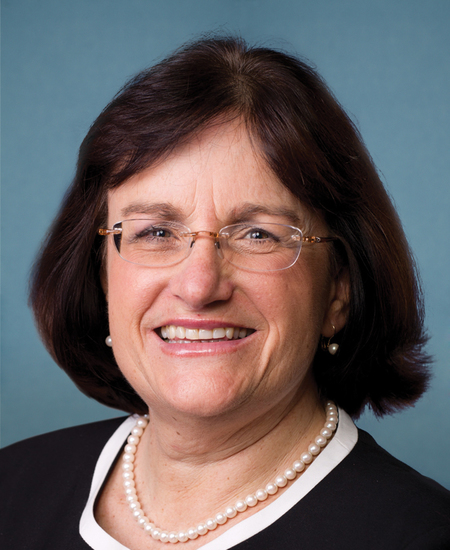
Rep. Ann M. Kuster
Sponsored bills
Advancing Cutting Edge Agriculture Act or the ACE Agriculture Act This bill reauthorizes the Agriculture Advanced Research and Development Authority (AGARDA) and expands the program's environmental sustainability goals. (The program supports innovative research and development of technology, research tools, and products to address long-term and high-risk challenges related to food and agriculture.) The bill expands the program's goals to include water conservation and responding to greenhouse gas emissions, as well as resilience to (1) drought, (2) infectious diseases, and (3) plant and animal pathogens and pests. The bill also removes the current pilot program designation and requires the Department of Agriculture to establish and maintain an AGARDA staff.
Maddy summaryHR 2386, the Community Wood Facilities Assistance Act of 2023, amends two existing federal grant programs to support forest products manufacturing. It increases annual funding from $25 million to $50 million for fiscal years 2024-2028 and shifts focus from energy projects to construction, use, or retrofitting of facilities that process forest products. The bill raises the maximum grant amount from $3.5 million to $5 million per project and adjusts technical requirements, such as increasing thermal energy thresholds and adding market competitiveness as a consideration. This directly affects forest products manufacturers, sawmills, and rural communities seeking to expand or modernize wood-processing facilities.
Maddy summaryThe Healthy H2O Act establishes a federal grant program to help rural households and facilities improve drinking water quality by covering costs for point-of-use or point-of-entry water treatment systems, filter replacements, and related services. It directly assists eligible end users in rural areas - including homeowners, renters, child-care facilities, and small residential property owners - who have tested water containing health contaminants like lead, arsenic, or PFAS, while prioritizing private well users and limiting assistance to households with income below 150% of the median nonmetropolitan household income. Grants can fund certified treatment systems, installation by qualified professionals, maintenance, and water quality testing, administered by the Department of Agriculture with $10 million annually from 2024-2028. The program requires annual reports to Congress on progress, barriers to safe water access, and trends in treatment technology use to inform future improvements.
Maddy summaryThe ACTION for National Service Act reorganizes the Corporation for National and Community Service into the AmeriCorps Administration, an Executive department, and establishes new programs to expand national service opportunities. It increases national service educational awards to twice the average in-state tuition for public 4-year colleges and raises living allowances for participants. The bill creates a Civilian Climate Corps focused on climate-related projects in disproportionately impacted communities and establishes a National Service Foundation to accept private donations. It also creates a new outreach program to notify individuals aged 17-30 about service opportunities, with a goal of reaching 1 million participants annually by 2033.
Maddy summaryThis bill reauthorizes annual funding for teaching health centers that train doctors through graduate medical education programs. It sets specific funding levels from 2011 through 2034, gradually increasing over time (e.g., $582.7 million annually for 2033), with future years adjusted for inflation based on medical care costs. The funding directly supports community-based teaching hospitals and clinics that provide both patient care and physician training. Key provisions include fixed annual amounts for specific fiscal years and an inflation adjustment mechanism starting in 2034. This is a procedural funding measure affecting healthcare training institutions, not a new policy.
This bill expresses the sense of Congress that (1) medication abortion is appropriately approved and regulated under federal law, and (2) federal law preempts any in-person dispensing requirements or telehealth restrictions with respect to medication abortion under state law.
This resolution urges (1) the President to issue a proclamation recognizing Earth Day; and (2) governments and people to continue building upon the Paris Agreement and other efforts to ensure that future generations inherit a livable, sustainable, and ecologically rich planet.
Contact Lens Prescription Verification Modernization Act This bill revises the requirements for the verification of prescriptions related to the purchase of contact lenses. Specifically, online sellers of prescription contact lenses must provide consumers with a method to transmit a digital copy of their prescriptions to such sellers. Online sellers also must encrypt protected health information they send by email. Additionally, the bill prohibits any seller of prescription contact lenses from using telephone calls with an artificial or prerecorded voice (i.e., robocalls) to verify a consumer's prescription.
Maddy summaryThe SAD Act prohibits crisis pregnancy centers (CPCs) from making deceptive claims about offering abortion services, contraception, or employing licensed medical personnel. It directly affects CPCs nationwide - over 2,500 of which operate under false pretenses, often outnumbering abortion clinics by 3:1 in many states. The Federal Trade Commission (FTC) would enforce this by imposing civil penalties up to $100,000 or 50% of a CPC’s annual revenue for violations. The law requires CPCs to provide accurate information about reproductive health services, aiming to prevent misleading patients from accessing abortion care.