

Maddy summaryThis bill increases the tax deduction rate for volunteer drivers who transport people or property for qualifying organizations. It sets a minimum standard mileage rate of 14 cents per mile for general charitable driving but allows the IRS to set a higher rate (at least equal to the standard business mileage rate) specifically for volunteer transportation services. The change directly affects volunteers driving for tax-exempt organizations like charities, religious groups, or community nonprofits. It modifies IRS rules to better align charitable mileage deductions with current business travel rates. The policy change applies to tax returns filed for 2023 and later.
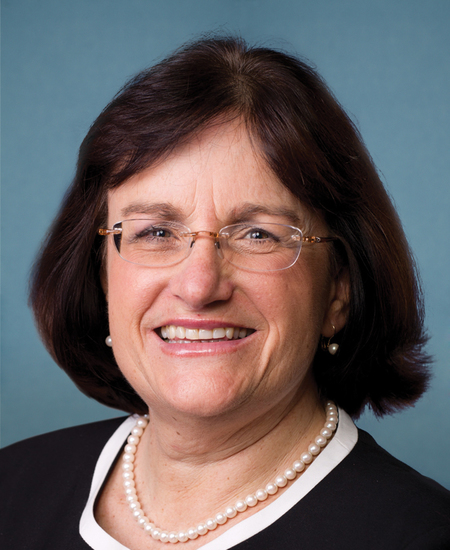
Rep. Ann M. Kuster
Sponsored bills
Maddy summaryHR 3009, the Military Suicide Prevention in the 21st Century Act, requires the Secretary of Defense to launch a two-year pilot program pre-loading the Virtual Hope Box app (a military behavioral health tool) and pre-programming the National Suicide Hotline and Veterans Crisis Line numbers into smartphones and other smart devices issued to service members. This directly affects active-duty military personnel who receive such devices from the Department of Defense. The pilot program mandates training on these resources during existing suicide awareness education and requires a final report with expansion recommendations. The bill focuses on making critical mental health tools immediately accessible on service-issued devices during crises.
Maddy summaryThis bill amends the Family and Medical Leave Act (FMLA) to add a new category of protected leave for employees (or family members) affected by domestic violence, dating violence, sexual assault, sex trafficking, or stalking. It entitles eligible employees to up to 12 weeks of unpaid leave for specific needs like medical care, legal services, counseling, securing safe housing, or assisting family members with these issues. The leave can be taken intermittently or on a reduced schedule, and employees may substitute accrued paid leave (vacation, sick days) for part of the unpaid FMLA leave period. Employers may require certification or accept a sworn statement if certification is pending, but the bill does not mandate paid leave.
Maddy summaryThis bill protects living organ donors from insurance discrimination by prohibiting life, disability, and long-term care insurers from denying coverage, raising premiums, or altering policy terms solely because someone donated an organ while alive. It also updates the Family and Medical Leave Act to include recovery from organ donation surgery as a qualifying health condition, allowing donors to take protected leave for this purpose. Additionally, the bill requires the Health and Human Services Secretary to update public educational materials about living donation benefits, risks, and insurance protections within six months of enactment. These changes directly affect living organ donors, insurers, employers, and healthcare systems by ensuring fair access to insurance and workplace leave.
Maddy summaryHR 2955, the Stop Institutional Child Abuse Act, establishes a Federal Work Group to improve data collection and best practices for youth in residential programs (like therapeutic schools, treatment centers, and group homes). The Work Group, composed of federal agency representatives and diverse stakeholders, must develop national data standards, create risk assessment tools, and issue biennial reports with recommendations to enhance safety, reduce restraints, and expand community-based alternatives. It directly affects youth with mental health, substance use, or disability needs placed in these facilities, as well as agencies overseeing them. The bill also mandates a National Academies study to examine funding, oversight, and barriers to community care. These mechanisms aim to standardize data tracking and promote less restrictive, trauma-informed care for youth in residential programs.
Maddy summaryThis bill adjusts veterans' disability and survivor benefits to match the annual cost-of-living increase for Social Security. It requires the Veterans Affairs Secretary to raise specific payments - such as disability compensation for veterans, dependency payments for spouses and children, and clothing allowances - effective December 1, 2023, by the same percentage as the Social Security COLA for that year. The adjustment directly affects veterans receiving disability compensation under 38 U.S.C. § 1114, surviving spouses under § 1311, and children under §§ 1313-1314, as well as those receiving clothing allowances. The change ensures these benefits keep pace with inflation, using the Social Security Act’s established adjustment formula.
Maddy summaryHRES 334 is a symbolic resolution recognizing "Community College Month" to celebrate over 1,000 community colleges across the United States. It highlights how these institutions support accessible higher education, workforce training, and economic prosperity - serving 10.2 million students annually while charging affordable tuition (averaging $3,860 for in-district students). The resolution does not create new laws or requirements but formally acknowledges community colleges' role in strengthening local communities and the national economy. This acknowledgment applies broadly to all community colleges and their students, without imposing any obligations.
Clean Slate Act of 2023 This bill establishes a framework for sealing records related to certain federal criminal offenses. Courts must automatically seal records related to (1) a conviction for simple possession of a controlled substance or for any nonviolent offense involving marijuana, or (2) an arrest for an offense that does not result in a conviction. Additionally, an individual who meets certain criteria may petition to seal records related to a conviction for other nonviolent offenses.
Maddy summaryThe Child Care for Working Families Act establishes a federal entitlement program providing subsidized child care for working families with children under age 6 who are not yet in kindergarten. It creates a sliding fee scale where families at or below 85% of State median income pay no copayment, while higher-income families pay up to 7% of their income based on income thresholds. The bill requires states to develop quality rating systems for child care providers and ensures providers receive sufficient funding to meet quality standards, including wages equivalent to elementary educators. It prioritizes access for underserved populations including children with disabilities, infants and toddlers, children experiencing homelessness, and families in low-income communities. The program is funded with $20 billion for fiscal year 2024 and subsequent years through 2029.
Forced Arbitration Injustice Repeal Act of 2023 or the FAIR Act of 2023 This bill prohibits a predispute arbitration agreement from being valid or enforceable if it requires arbitration of an employment, consumer, antitrust, or civil rights dispute.