Updated Drug Labeling for Patient Safety Act This bill allows generic drug manufacturers to revise labels with updated safety information that differs from the referenced brand-name drug.
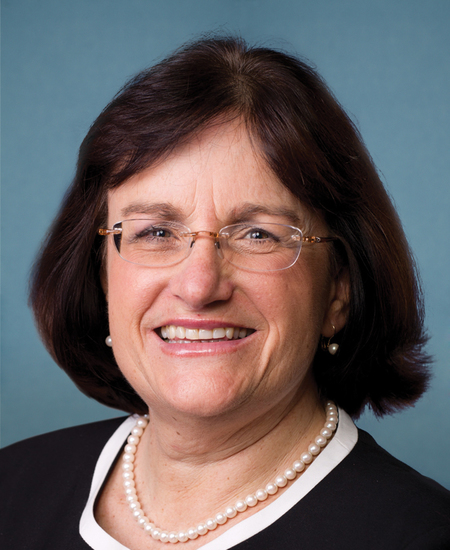
Rep. Ann M. Kuster
Sponsored bills
Maddy summaryThis bill increases annual funding for the Substance Use Disorder Treatment Workforce Loan Repayment Program from $25 million to $40 million per year, covering fiscal years 2024 through 2028. It directly affects healthcare professionals working in substance use disorder treatment who have federal student loans, helping them repay those loans through federal reimbursement. The key provision is the funding increase, extending the program's support for this workforce without altering eligibility or new requirements. This change provides more consistent financial support for treatment providers, aiming to address staffing needs in a critical healthcare area.
Maddy summaryHR 4053, the Studying Suboxone Act, directs the U.S. Department of Health and Human Services (HHS) to review and update scientific evaluations of buprenorphine-naloxone medications (used to treat opioid addiction) and recommend updated scheduling under federal law. The Attorney General must then review HHS's findings, consider legal factors, and decide whether to adjust the medication's legal classification. This bill specifically affects the scheduling status of these medications, which impacts how they can be prescribed and distributed under federal drug laws. The process aims to ensure the scheduling aligns with current medical evidence, without changing treatment access or prescribing rules directly.
Naloxone Affordability Act of 2023 This bill requires the Government Accountability Office to study access to and affordability of naloxone (a medication that temporarily reverses opioid overdoses). The study must address matters related to out-of-pocket costs that consumers pay for naloxone and coverage for naloxone as an over-the-counter drug through Medicare, Medicaid, and private health insurance. Historically, naloxone required a prescription and so was typically covered by health insurance. However, the Food and Drug Administration approved Narcan (a naloxone hydrochloride nasal spray) for use without a prescription on March 29, 2023, and health insurance does not generally cover over-the-counter medications.
Maddy summaryThis bill updates federal grant programs to include all FDA-approved opioid overdose reversal agents (like naloxone), not just specific products. It requires the Health and Human Services Secretary to revise existing grant program materials by December 2023 to ensure references cover any approved agent. The change directly affects states and tribes receiving State Opioid Response Grants and Tribal Opioid Response Grants under the 21st Century Cures Act, as well as regional/national prevention grants under the Public Health Service Act. This allows grantees greater flexibility to use the most effective, currently available reversal agents in their opioid response efforts.
Maddy summaryThis symbolic resolution (HRES 517) expresses congressional support for the existing tradition of observing the third Sunday in June as "Father's Day," which has been recognized since 1972. It acknowledges fathers' roles in families and society, citing statistics about fatherhood in the U.S. The resolution specifically urges support for policies like universal paid family leave, affordable childcare, and a permanent child tax credit - though these are framed as recommendations, not new laws. It does not create new legal requirements or change the Father's Day designation itself.
Northern Border Regional Commission Reauthorization Act of 2023 This bill makes changes to the authorities and programs of regional economic and infrastructure development commissions. Specifically, the bill reauthorizes the Northern Border Regional Commission (NBRC) and establishes and expands NBRC grant programs. Regional commissions may make grants for the planning, construction, equipment, and operation of health, nutrition, and child care projects. The bill also authorizes these regional commissions (as part of economic and infrastructure development grants) to promote the production of housing to meet economic development and workforce needs. Each commission may accept transfers of funds from other federal agencies. Discretionary grants made by a commission to implement significant regional initiatives, to take advantage of special development opportunities, or to respond to emergency economic distress may be made without regard to specified percentage limitations. The bill limits the aggregate amount of discretionary grants.

Maddy summaryHR 4166, the Support UNFPA Funding Act, authorizes annual U.S. funding for the United Nations Population Fund (UNFPA) over five years. It directly supports UNFPA’s global programs serving women and girls in over 150 countries, particularly focusing on reducing preventable maternal deaths, expanding access to contraception, ending gender-based violence, and addressing harmful practices like female genital mutilation and child marriage. The bill specifically directs funding toward UNFPA’s core work in developing nations, humanitarian crises (such as in Ukraine and Yemen), and rebuilding health systems post-pandemic, without altering UNFPA’s existing operations or policies.
Maddy summaryThe American Dream and Promise Act of 2023 would create two pathways to permanent residency for certain immigrants. The "Dream Act" portion would provide conditional permanent resident status to individuals who entered the U.S. as children, have lived continuously in the U.S. since January 1, 2021, and meet educational requirements (such as completing high school, earning a degree, or enrolling in education programs). The "American Promise Act" portion would provide permanent residency to individuals eligible for Temporary Protected Status (TPS) or Deferred Enforced Departure (DED) as of specific dates (January 1, 2017, or January 20, 2021). The bill includes provisions for background checks, fee exemptions for low-income applicants, and processes for removing conditional status after meeting specific criteria like completing higher education or earning income.
Maddy summaryThis non-binding resolution expresses the House's support for 10 specific rights of youth in foster care, directly affecting young people aged 18-21 navigating the system. It affirms their right to remain in original schools, access health services (including mental health), live free from abuse, maintain sibling contact, and receive adequate food and housing. The resolution does not create new legal obligations but calls for child welfare agencies to uphold these standards, based on documented challenges like high school graduation gaps and trauma exposure.