Maddy summaryThis bill creates new NIH funding to support early-career pediatric researchers, prioritizing underrepresented groups (including women and racial minorities) and institutions serving these populations. It establishes the NIH Pediatric Research Consortium to coordinate pediatric research across NIH institutes, set priorities (like childhood cancer and mental health), and require annual reports on funded projects and researcher demographics. The funding supplements, rather than replaces, existing pediatric research budgets. Directly affects early-career pediatric researchers, NIH institutes, and research institutions participating in the consortium.
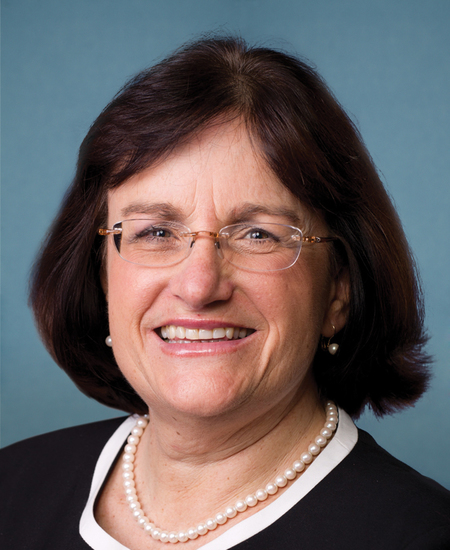
Rep. Ann M. Kuster
Sponsored bills
Protecting Pandemic and All-Hazards Preparedness Act of 2023 or the Protecting PAHPA Act of 2023 This bill extends through FY2028 and modifies various programs and activities that support public health preparedness and response. The bill also addresses matters concerning shortages of drugs and medical devices and recalls of drugs. For example, the bill modifies activities of the Office of the Assistant Secretary for Preparedness and Response, the Centers for Disease Control and Prevention, and the Biomedical Advanced Research and Development Authority; grants to support preparedness and response activities of health departments, hospitals, and public health laboratories; programs to facilitate the response of volunteer health providers and other professionals during disasters and emergencies; efforts related to the management and operation of the Strategic National Stockpile; federal partnerships and initiatives for collaborating and coordinating during public health and other emergencies and with the development of medical countermeasures and diagnostic testing capacity; and requirements for collecting and reporting public health and health care data and information. Additionally, the bill makes various changes to address and mitigate shortages of drugs and devices, including by (1) setting out a process to safely extend the expiration date of certain medical countermeasures and other life-saving drugs, and (2) expanding requirements for drug manufacturers to notify the Food and Drug Administration concerning potential shortages. Further, the bill expands the authority of the Secretary of the Department of Health and Human Services to order the recall of controlled substances to cover all drugs.

Maddy summaryHR 4663, the Federal Mechanical Insulation Act, defines "mechanical insulation" (insulation around pipes and equipment in federal buildings) as an eligible energy efficiency measure. It requires federal agencies to include mechanical insulation in their required energy and water evaluations, specifically mandating that evaluations identify this insulation as a potential efficiency measure. The bill specifies that such insulation must meet minimum standards under Reference Standard 90.1 to qualify. This change directly affects federal building managers and contractors by formally recognizing mechanical insulation as a standard efficiency option in compliance with existing energy conservation laws.
Maddy summaryHRES 605 is a non-binding resolution recognizing the need to support mothers in the workforce through investments in the "Mom Economy." It highlights how mothers - especially mothers of color - face systemic barriers like childcare costs, wage gaps, and lack of paid leave, which contribute to their economic disengagement. The resolution calls for concrete policy changes, including expanding paid family leave, investing in affordable childcare, strengthening the child tax credit, and improving workplace protections for caregivers. It directly addresses mothers and families who rely on maternal earnings, emphasizing that supporting them would boost economic productivity and reduce poverty.
Maddy summaryHRES 608 is a non-binding House resolution recognizing the value of diversity, equity, and inclusion (DEI) efforts at colleges and universities. It affirms that DEI initiatives help create supportive learning environments where all students, faculty, and staff thrive, and specifically supports programs like implicit bias training and cultural competence resources. The resolution emphasizes that DEI efforts strengthen institutions’ ability to recruit diverse talent and align with academic freedom principles. It also notes concerns about state-level efforts to restrict DEI programs and states that such restrictions threaten campus inclusivity. As a symbolic resolution, it does not create new laws or funding but expresses congressional support for DEI work in higher education.
Maddy summaryHR 3504 requires the VA Secretary to conduct annual surveys of staff at VA medical centers about security conditions, including criminal activity, vacant police positions, equipment adequacy, and training. The bill mandates that the VA submit annual reports to Congress detailing survey results, analyses of security weaknesses, and action plans with specific goals and deadlines. It directly affects VA medical center staff, VA leadership, and congressional committees overseeing veterans' affairs. The law creates a new reporting mechanism but does not change existing security policies or funding.
Maddy summaryH.J.Res. 25 would remove the 1979 deadline for states to ratify the Equal Rights Amendment (ERA), which was originally proposed in 1972. This bill directly affects states that ratified the ERA after the deadline (such as Nevada, Illinois, and Virginia in 2017-2018) by making their ratifications legally valid. The key provision states that the ERA is valid as part of the Constitution if ratified by three-fourths of states, regardless of the original deadline. The bill does not create new rights but aims to finalize the constitutional amendment process by eliminating the time limit.
Maddy summaryHR 4708, the H-2 Improvements to Relieve Employers Act, streamlines U.S. visa processes for agricultural (H-2A) and non-agricultural (H-2B) workers. It extends the validity of employer certifications and petitions for these visas from one year to three years, reducing administrative burdens. The bill also allows interview waivers for workers renewing status within four years of their previous visa expiration. Additionally, it requires the Department of Labor to publish seasonal employment data on its website at an employer's request, enhancing transparency for seasonal hiring. These changes directly affect U.S. employers seeking temporary foreign workers and the workers themselves.
Maddy summaryThe ACE Act changes how federal education grants are calculated to better support schools in high-poverty areas. It phases out a current system that favored larger school districts by shifting to a formula based solely on the percentage of students from low-income families, starting in 2024. This directly benefits smaller school districts with high concentrations of economically disadvantaged students that were previously disadvantaged under the old dual-weighting system. The change aims to align funding more closely with congressional intent to direct more resources to schools serving the most economically disadvantaged students.
Maddy summaryHR 2768, the PFC Joseph P. Dwyer Peer Support Program Act, establishes a VA grant program to fund peer-to-peer mental health support for veterans. It provides up to $250,000 per grant to eligible nonprofits, veteran service organizations, or state/local Tribal agencies to create programs where veterans serve as peer specialists offering 24/7 nonclinical support. The program requires adherence to VA-developed standards for volunteer training and service delivery, while prohibiting the collection of veterans' personally identifying information. The bill authorizes $25 million over three years to implement this initiative, directly benefiting veterans seeking accessible mental health assistance through peer networks.