Increasing Access to Osteoporosis Testing for Medicare Beneficiaries Act of 2021 This bill specifies that certain Medicare payment rules applicable to imaging services shall apply to dual-energy x-ray absorptiometry services used in bone mass scans beginning in 2022. The Centers for Medicare & Medicaid Services must establish national minimum payment amounts for such services.
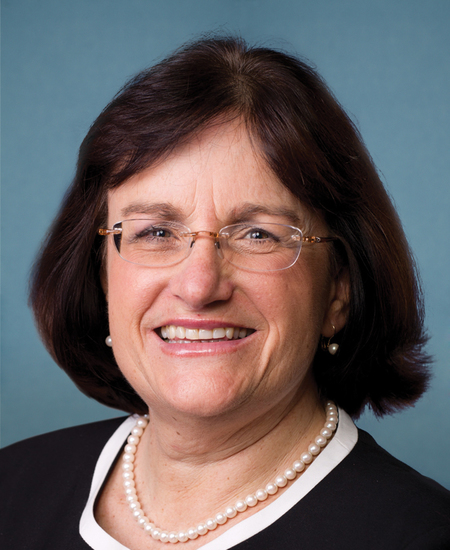
Rep. Ann M. Kuster
Sponsored bills
Stop Child Hunger Act of 2021 This bill establishes a permanent program and provides funds for electronic benefit transfer (EBT) cards to cover meals for children during extended school closures. Specifically, the Department of Agriculture must establish a program to provide EBT cards to cover meals for children who are enrolled in the National School Lunch Program or School Breakfast Program when a school is closed, operating remotely, or a combination of both for a period of five days or more. Cards may be used to purchase food from approved retailers under the Supplemental Nutrition Assistance Program.
Biodiesel Tax Credit Extension Act of 2021 This bill extends the income and excise tax credits for biodiesel and renewable diesel used as fuel through 2025.
Healthcare for Our Troops Act This bill addresses TRICARE Reserve Select coverage and eligibility for Selected Reserve members of the Ready Reserve and their families. Among other elements, the bill provides eligibility for TRICARE Reserve Select to Selected Reserve members of the Ready Reserve who are eligible for or enrolled in the Federal Employees Health Benefits Program.
Mothers and Offspring Mortality and Morbidity Awareness Act or the MOMMA's Act This bill establishes various programs and requirements to reduce maternal mortality. It also increases federal tobacco taxes and equalizes the tax treatment of different tobacco products. Specifically, the Centers for Disease Control and Prevention (CDC) must provide technical assistance and best practices for collecting data, standardizing reporting, and preventing maternal mortality. The CDC must consult with the Health Resources and Services Administration (HRSA) on this assistance. The bill also provides statutory authority for CDC grants for state-based collaboratives to improve care immediately before and after birth and to improve maternal and infant health outcomes, and a HRSA program to improve the quality and safety of maternity care. Furthermore, the Department of Health and Human Services (HHS) must establish regional centers through health professional schools and training programs to educate health care providers about implicit bias and culturally competent care. In addition, the bill expands eligibility for Medicaid, the Children's Health Insurance Program (CHIP), and other benefits for pregnant and postpartum individuals. Specifically, it extends postpartum eligibility for Medicaid and CHIP for one year; provides coverage for oral health services for pregnant and postpartum individuals under Medicaid and CHIP; and extends postpartum eligibility for the Special Supplemental Nutrition Program for Women, Infants, and Children for two years. HHS must also take steps to publicize the benefits available to pregnant and postpartum individuals under Medicaid and CHIP, and the Centers for Medicare & Medicaid Services must provide guidance on Medicaid coverage for doula services.

HOPE for HOMES Act of 2021 This bill provides support for energy efficiency upgrades in homes. Specifically, the bill directs the Department of Energy (DOE) to establish a grant program that supports training on how to efficiently retrofit homes. In addition, DOE must establish a Home Energy Savings Retrofit Rebate Program to provide rebates for homeowners to invest in energy efficiency improvements.
Substance Use Disorder Workforce Act This bill increases the number of residency positions eligible for graduate medical education payments under Medicare for hospitals that have addiction or pain medicine programs, with an aggregate increase of 1,000 positions over a five-year period.
Civics Learning Act of 2021 This bill expands the use of American History and Civics Education—National Activities grants to prioritize innovative civics learning and teaching. Specifically, the bill expands the allowable uses of these grants to include before-, during-, and after-school activities and extracurricular activities; activities that include service learning and community service projects that are linked to school curriculum; activities that encourage and support student participation in school governance; and online and video game-based learning. Further, the Department of Education must ensure that specified percentages of grant funds are awarded on a diverse basis to eligible entities (e.g., institutions of higher education) that serve students and teachers at elementary schools, middle schools, and high schools.
Contact Lens Prescription Verification Modernization Act This bill revises the requirements for the verification of prescriptions related to the purchase of contact lenses. Specifically, online sellers of prescription contact lenses must provide consumers with a method to transmit a digital copy of their prescriptions to such sellers. Online sellers also must encrypt protected health information they send by email. Additionally, the bill prohibits any seller of prescription contact lenses from using telephone calls with an artificial or prerecorded voice (i.e., robocalls) to verify a consumer's prescription.
Concentrating on High-value Alzheimer's Needs to Get to an End Act of 2021 or the CHANGE Act of 2021 This bill modifies the requirements under Medicare for diagnosing and treating Alzheimer's disease and other cognitive impairments in older adults. Specifically, the bill expands the cognitive impairment detection benefit during annual wellness visits to require the use of validated detection tools and documentation of the results in the patient's medical record. Further, when a cognitive impairment is detected, the patient must be referred to an appropriate diagnostic service provider and other specified supports. Additionally, the Centers for Medicare & Medicaid Services must implement Medicare policies that increase the identification and response to patients' Alzheimer's disease risk factors and incentivize providers to utilize high-quality cognitive impairment diagnosis practices. The Government Accountability Office also must conduct a study of policies that may accelerate progress in Alzheimer's disease research and enhance the quality of care for individuals diagnosed with Alzheimer's disease.