

Maddy summaryHR 3036, the Increased TSP Access Act of 2023, amends conservation program rules to expand access to third-party providers (TSPs) who offer technical assistance to farmers on conservation practices. It creates new pathways for non-Federal entities like agricultural cooperatives or professional associations to certify TSPs, streamlines certification processes (requiring Secretary review within 10 business days), and sets payment rates for TSPs equivalent to government-provided technical assistance. The bill mandates public reporting on certification numbers, payment details, and a target utilization rate for TSPs to improve conservation program delivery. It directly affects farmers participating in USDA conservation programs by increasing options for technical support and requiring transparency in how TSPs are certified and compensated.
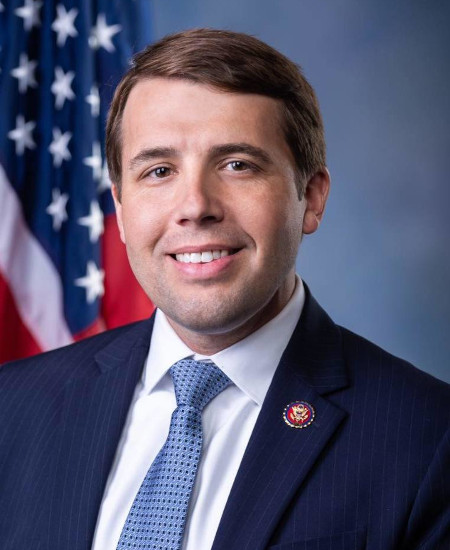
Rep. Chris Pappas
Sponsored bills
Maddy summaryHR 3713 creates federal grants to fund comprehensive school-based mental health programs for students in grades K-12, including those in Bureau of Indian Education schools. It requires partnerships between schools and community mental health providers to deliver trauma-informed, culturally appropriate services addressing suicide risk, grief, violence, and trauma exposure. The bill authorizes $300 million annually (2024-2027) for these programs, mandating privacy protections under HIPAA and FERPA, and requires annual reporting on program effectiveness.
Maddy summaryThis bill establishes a federal registry to track military personnel exposed to PFAS chemicals (specifically from aqueous film-forming foam used on bases) for health monitoring. The VA must create the registry within one year, coordinate with the Defense Department, and run public awareness campaigns to inform eligible service members about registering. The VA must submit two reports to Congress: one within two years assessing data collection efforts and health recommendations, and another within five years evaluating the registry's scientific relevance. The registry specifically covers individuals who served at military sites where AFFF was used, focusing on collecting health data to inform future medical support.
Maddy summaryThis bill changes TRICARE eligibility rules for National Guard and Reserve retirees under age 60 who are not yet receiving retired pay due to specific provisions (sections 5304/5305 of Title 38). It allows these members to access TRICARE coverage even if they haven't yet qualified for full retired pay under Chapter 1223. The key change removes the previous requirement that they must be receiving retired pay to qualify for TRICARE. The amendment takes effect January 1, 2024, directly benefiting eligible Reserve retirees who would otherwise face coverage gaps before age 60.
Maddy summaryThis bill creates a new tax credit for expenses related to "qualified access technology for the blind" under the Internal Revenue Code. It allows taxpayers to claim a credit of up to $2,000 per year (adjusted for inflation) for costs paid for hardware, software, or IT that converts visual information into formats usable by blind individuals, covering the taxpayer, their spouse, or a dependent who is blind. The credit is limited to $2,000 over any three consecutive tax years per blind individual and expires after 2028. It directly affects blind individuals and their families who purchase qualifying assistive technology. The credit cannot be claimed for expenses already covered by other tax deductions or credits.
Maddy summaryHRES 439 is a non-binding resolution expressing the House of Representatives' support for keeping the U.S. Postal Service (USPS) as an independent federal agency, not subject to privatization. It highlights USPS's constitutional role, self-sustaining nature (relying on service revenue, not taxpayer funds), and its importance to rural communities, e-commerce, and over 600,000 employees. The resolution urges Congress to take action to preserve USPS's independence, emphasizing that privatization could raise prices, reduce services, and harm the nation's mail infrastructure. As a procedural resolution, it does not change law but formally states the House's position.
Maddy summaryThe AIR PUMP Act requires airlines to provide nursing crew members (like flight attendants and pilots) with reasonable break time to express breast milk for up to one year after their child's birth, as well as a private, non-bathroom space for this purpose. It specifically excludes breaks during critical flight phases and ensures accommodations won't compromise safety, security, or require significant costs (e.g., aircraft modifications). The bill includes anti-retaliation protections for employees who request accommodations or file complaints, and enforces these requirements through the Department of Labor using existing Fair Labor Standards Act mechanisms. This directly affects airline employees who are nursing parents and their employers, aligning airline workplace policies with federal breastfeeding protections.
Maddy summaryThe Dark Web Interdiction Act establishes a new FBI-led Joint Criminal Opioid and Darknet Enforcement Task Force to combat drug trafficking on the dark web. It amends the Controlled Substances Act to make it a federal crime to distribute controlled substances through the dark web, with a 2-level sentencing increase for violations. The task force will develop training, evidence-sharing protocols, and build partnerships with law enforcement agencies to detect and dismantle illicit marketplaces. The bill also requires a report on virtual currency use in dark web drug transactions and includes a 5-year sunset provision for the law.
Historic Preservation Fund Reauthorization Act This bill extends through FY2033 and increases funding for the National Park Service's Historic Preservation Fund. The funding is provided from revenues from Outer Continental Shelf oil and gas leases, and awards from the fund are made to states and other entities, including tribes and nonprofits.
This resolution expresses support for the designation of DIPG Awareness Day. DIPG is diffuse intrinsic pontine glioma, a terminal childhood brain cancer.