

Maddy summaryThe PLUS for Veterans Act of 2023 clarifies and updates rules for veterans' benefit claims under the Department of Veterans Affairs. It sets a $12,500 annual fee cap (adjusted for inflation) for agents or attorneys representing veterans, prohibits charging fees for medical exams, and prohibits unauthorized fees with penalties including fines or up to one year in prison. The bill directly affects veterans seeking benefits, their legal representatives, and the VA by standardizing fee agreements, requiring VA reports on agent/attorney suspensions, and ensuring veterans can access free services from VA-recognized organizations. Key provisions include banning fees for medical reports and requiring clear fee disclosures to veterans.
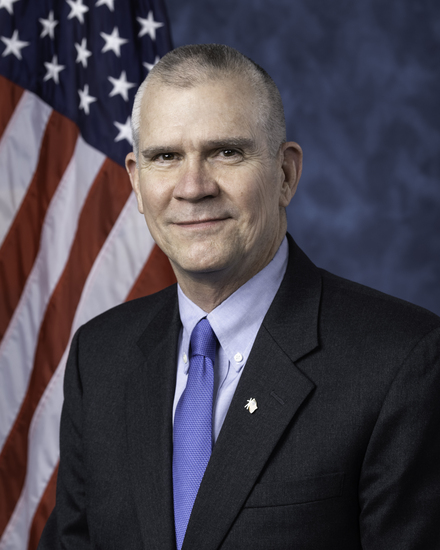
Rep. Matthew M. Rosendale, Sr.
Sponsored bills
Maddy summaryThis bill terminates the national emergency declared by the President on March 13, 2020, under the National Emergencies Act. It ends the executive branch's authority to use emergency powers related to that specific declaration. The resolution passed both chambers in early 2023 and took effect April 10, 2023, without creating new policies or affecting specific groups.
Maddy summaryHR 1955 sets a specific funding cap of $927 million for the Maternal and Child Health program within the Health Resources and Services Administration (HRSA) of the Department of Health and Human Services (HHS) for fiscal year 2024. This bill directly affects the program by restricting the total funds available for its operations during that fiscal year. The key provision is a hard limit on appropriations, preventing the program from accessing more than the specified amount regardless of other funding authorizations. This is a procedural funding limitation, not a change to program services or eligibility.
This bill limits FY2024 funding for the Health Resources and Services Administration's Health Workforce, Construction and Capital Improvement Costs account.
Maddy summaryHR 1953 sets a $1.6 billion cap on funding for the Health Resources and Services Administration's Primary Health Care program within the Department of Health and Human Services for fiscal year 2024. This bill directly affects community health centers, clinics, and rural health providers that rely on these federal grants for patient care. The key provision prohibits the use of funds exceeding $1,626,522,000 for this specific program during FY2024. It does not alter program eligibility or services but limits the total available funding level for the designated health care initiative.
Maddy summaryHR 1966 sets a $496 million spending cap for the CDC's Public Health Scientific Studies program during fiscal year 2024. This bill directly limits the total federal funds available for these specific research activities, preventing the CDC from exceeding the capped amount. The provision applies to all funds designated for these studies within the CDC's budget for the year. It does not change the program's purpose but establishes a fixed budget ceiling for FY2024.
Maddy summaryThis bill caps funding for CDC building and facility projects at $30 million for fiscal year 2024. It directly affects the Centers for Disease Control and Prevention's ability to fund physical infrastructure projects, such as construction or maintenance, during that fiscal year. The provision prevents the CDC from spending more than this specific amount on its buildings and facilities, regardless of other funding authorizations.
This bill limits FY2024 funding for the Centers for Disease Control and Prevention for the Birth Defects, Developmental Disabilities, Disabilities and Health account.
Maddy summaryHR 1972 sets a $862.2 million funding limit for the CDC's Public Health Preparedness and Response program during fiscal year 2024. This bill directly restricts the Centers for Disease Control and Prevention's spending on pandemic and disease outbreak readiness activities. It does not create new policies or affect specific populations, but instead modifies how existing funds can be used for public health preparedness. The bill is purely procedural, establishing a spending cap through a statutory limit.
Maddy summaryHR 1964 sets a strict funding limit of $932,821,000 for the Centers for Disease Control and Prevention's Chronic Disease Prevention and Health Promotion program during fiscal year 2024. This bill directly affects the CDC's ability to allocate funds to this specific public health initiative. The key provision is a statutory cap that prevents the program from using more than the specified amount, regardless of other funding authorizations. It does not alter program activities or eligibility but restricts the total available budget for this particular CDC function.