

Maddy summaryThis resolution (HRES 1055) is a symbolic gesture by the U.S. House of Representatives to congratulate the Kansas City Chiefs football team for winning Super Bowl LVIII on February 11, 2024. It acknowledges their victory over the San Francisco 49ers, their status as the first NFL repeat champion in 19 years, and key player achievements like Patrick Mahomes' third Super Bowl MVP award. As a ceremonial resolution, it has no legal effect or policy impact - it simply offers formal recognition of the team's athletic accomplishment. The resolution does not affect any individuals, policies, or government actions.
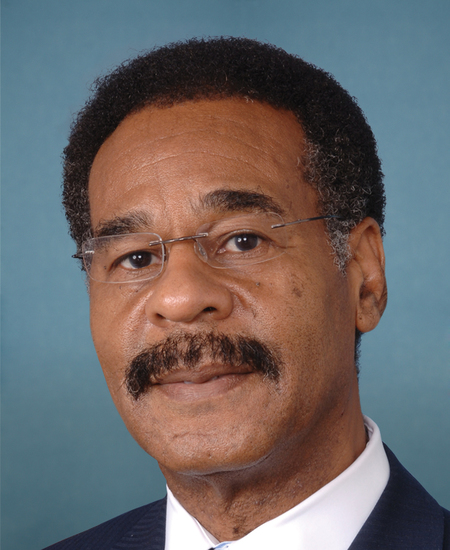
Rep. Emanuel Cleaver
Sponsored bills
Maddy summaryThis resolution (HRES 1050) designates March 2024 as National Colorectal Cancer Awareness Month. It symbolically supports existing public awareness efforts around colorectal cancer prevention, screening, and early detection, without creating new requirements or funding. The resolution encourages the public to observe the month with educational activities, aligning with ongoing annual campaigns. It directly affects public awareness efforts but has no binding policy impact.
Maddy summaryHRES 1048 is a non-binding House resolution calling on the Department of Homeland Security (DHS) to establish a humanitarian parole program for Cameroonians fleeing violence in their home country. It specifically targets Cameroonians who arrived in the U.S. after October 5, 2023 - after the expiration of temporary protected status (TPS) that covered earlier arrivals - and who face risks of deportation to Cameroon amid ongoing conflicts, human rights abuses, and discriminatory treatment in U.S. immigration enforcement. The resolution cites over 6,000 deaths from violence in Cameroon since 2016, 1.7 million needing humanitarian aid, and DHS’s existing authority under Section 212(d)(5)(A) of the Immigration and Nationality Act to create such a program. It emphasizes that no African nation has ever received a humanitarian parole program under this mechanism, highlighting systemic gaps in U.S. immigration policy.
This concurrent resolution honors the lives and work of Mary and John Meachum and recognizes the importance of the Mary Meachum Freedom Crossing, which is part of the National Underground Railroad Network to Freedom.
Expanding Opportunity for Minority Depository Institutions Act or the Expanding Opportunity for MDIs Act This bill establishes the Financial Agent Mentor-Protégé Program within the Department of the Treasury. The program provides participating minority deposit institutions and small financial institutions with mentorship from large financial institutions or from financial agents designated by Treasury. This mentorship prepares protégé institutions to improve service capacity or to perform as financial agents for the federal government.
Maddy summaryHRES 1033 is a symbolic resolution designating February 28, 2024, as "Community Arts Education Day." It recognizes community arts education - which fosters creativity, cultural expression, and social connection through inclusive, participatory arts learning - as vital for building skills, belonging, and community healing. The resolution expresses the House’s support for this approach but does not create new programs, allocate funding, or change existing laws. It focuses solely on raising awareness of community arts education’s role in empowering diverse groups across all ages.
Maddy summaryHRES 1032 is a symbolic resolution designating the week of February 26-March 1, 2024, as "Public Schools Week" in the U.S. House of Representatives. It expresses congressional support for public education, highlighting its role in preparing students and communities. The resolution has no legal effect or funding provisions - it solely serves as a formal expression of backing for public schools. It directly affects no individuals or entities but aims to raise awareness about public education. This is a non-binding gesture, not a policy change.
Maddy summaryThis symbolic resolution (HRES 1026) recognizes Black History Month and honors the 94 African-American recipients of the Congressional Medal of Honor for their military bravery, heroism, and valor. It does not create new laws or policies but formally acknowledges their contributions, referencing historical context like Sergeant William Harvey Carney’s 1863 actions and the 1993 study revealing racial discrimination in Medal of Honor awards during WWII. The resolution specifically calls for the House to recognize Black History Month and honor these 94 service members. It is a non-binding expression of support with no concrete policy changes.
Ensuring Diversity in Community Banking Act This bill establishes programs and revises provisions related to minority depository institutions, community development financial institutions, and impact banks. The bill (1) expands the definition of minority depository institutions to include women-owned banks, and (2) establishes impact banks as depository institutions with total assets less than $10 billion and where a certain total dollar value of loans are extended to low-income borrowers. The bill establishes a program allowing minority depository institutions and impact banks to receive deposits from certain Department of the Treasury accounts through designated custodial entities. It also establishes the Minority Bank Deposit Program to prioritize the use of minority depository institutions to the maximum extent possible to serve the financial needs of federal departments and agencies. Federal banking agencies must issue rules allowing new minority depository institutions and impact banks to take three years to meet capital requirements.
Maddy summaryHR 7424, the Renewable Roadsides Act, requires the U.S. Departments of Transportation and Energy to study the feasibility of developing solar energy projects (including generation, storage, and transmission) on federal land adjacent to the National Highway System. The study, due by December 2025, will assess land suitability, identify barriers like safety concerns or competing land uses, and evaluate federal requirements. By December 2026, the agencies must submit a report to Congress with findings, recommendations for enabling such projects, and a process for entities to apply for leases or agreements to build and operate these facilities. The bill does not fund or mandate solar projects but sets the stage for potential future development by analyzing logistical and regulatory pathways. It directly affects federal agencies and could influence future policy on utilizing highway-adjacent federal land for renewable energy.