

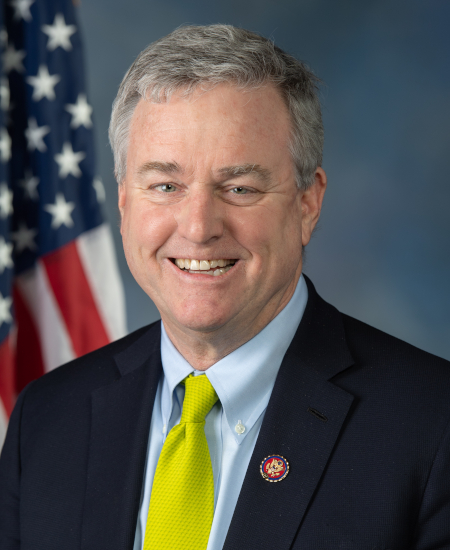
Photo of David J. Trone
D United States House · District 6 · Former member · Maryland

Rep. David J. Trone

Compare
Total votes
2,168
all sessions
Attendance
92%
175 missed
Lower than 96% of chamber peers
With party
97%
of cast votes
Higher than 78% of chamber peers
Bipartisan score
2%
crosses aisle rarely
Lower than 76% of chamber peers
Sponsored
1,817
bills & resolutions
Higher than 97% of chamber peers
Committees
0
assignments
1,817 bills and resolutions

Sponsored bills

Total
1,817
Primary
75
Co-sponsor
1,742
This page
1,817
matching current filters
Co-sponsor HR 5928
In committee Oct 25, 2023 1 co-sponsor
Co-sponsor HR 5920
In committee · United States House · Co-sponsor
Student Loan Marriage Penalty Elimination Act of 2023

Maddy summaryThis bill, HR 5920 (Student Loan Marriage Penalty Elimination Act of 2023), changes how married couples can deduct student loan interest on their federal taxes. It amends the tax code to allow each spouse to claim a separate $2,500 deduction limit for student loan interest, instead of a single combined limit for the couple. This directly affects married couples filing jointly who pay student loan interest and qualify for the deduction. The change applies to tax years beginning after December 31, 2022, and ensures the deduction aligns with the tax treatment for individual filers.

In committee Oct 25, 2023 1 co-sponsor
Co-sponsor HR 5908
In committee · United States House · Co-sponsor
Strengthening Communities through Summer Employment Act

Maddy summaryHR 5908, the "Strengthening Communities through Summer Employment Act," authorizes $200 million to $240 million annually (2024-2028) for the Department of Labor to fund summer youth employment programs. It requires grantees to provide subsidized summer jobs (minimum 4 weeks at minimum wage) for youth under 25, including mandatory mentoring, job training, and post-program support to improve graduation rates, college enrollment, employment, and reduce crime. Programs must prioritize communities with high youth unemployment and violent crime, and serve historically underserved youth in rural or suburban areas. The bill also mandates independent evaluations to measure long-term impacts on participants’ education, employment, and criminal justice outcomes.

In committee Oct 25, 2023 1 co-sponsor
Co-sponsor HR 5896
In committee · United States House · Co-sponsor
United Negro College Fund, Inc. Congressional Gold Medal Act

Maddy summaryThis bill authorizes the presentation of a Congressional Gold Medal to the United Negro College Fund (UNCF) and its member Historically Black Colleges and Universities (HBCUs) to recognize the UNCF's 80-year service. It directs the U.S. Treasury to strike the medal and sell bronze duplicates to cover costs, with proceeds going to the U.S. Mint. The medal commemorates the UNCF's role in supporting HBCUs and African-American students through scholarships and fundraising, as detailed in the bill's findings. The measure is purely ceremonial and does not create new policy or funding.

In committee Oct 25, 2023 1 co-sponsor
Co-sponsor HR 5895
In committee · United States House · Co-sponsor
To amend the Higher Education Act of 1965 to provide for additional uses of funds for grants to strengthen historically Black colleges and universities, and for other purposes.

Maddy summaryHR 5895 amends the Higher Education Act to allow historically Black colleges and universities (HBCUs) to use existing grant funds for specific arts-related activities. The bill adds new provisions enabling HBCUs to provide financial assistance to arts students, establish arts outreach programs, offer wraparound student services (like mentorship and career advising), maintain Black art collections, and create paid arts internships through partnerships. This directly affects HBCUs by expanding how they can allocate current funding to strengthen their arts programs and support Black artists. The key mechanism is modifying Section 323 of the Higher Education Act to include these new uses, with optional partnerships with the National Endowment for the Arts.

In committee Oct 25, 2023 1 co-sponsor
Co-sponsor HR 2973
In committee · United States House · Co-sponsor
MARITIME Act of 2023

Maddy summaryHR 2973, the MARITIME Act of 2023, directs the Secretary of Defense (with the Secretary of State) to develop a coordinated maritime security capability in the Middle East to protect allies' people, infrastructure, and shipping lanes from Iranian naval threats and groups like terrorist organizations or pirates. The bill requires a detailed strategy report within 60 days, assessing existing partnerships (like the Combined Maritime Forces), Israel's integration, and intelligence coordination gaps, plus a feasibility study for a funding mechanism within 90 days. It focuses on enhancing U.S.-led efforts already underway, not creating new forces or funding. The bill directly affects U.S. allies and partners in the Middle East, particularly those under U.S. Naval Forces Central Command's responsibility.

In committee Oct 19, 2023 1 co-sponsor
Co-sponsor HR 5864
In committee · United States House · Co-sponsor
Expanded Genetic Screening Act

Maddy summaryThis bill requires Medicaid to cover non-invasive prenatal genetic screening for all pregnant women, regardless of age, expanding current coverage. It mandates that providers give specific, detailed informed consent before offering the screening, including disclosure of test limitations, potential interferences, predictive values based on individual risk factors, and the need for follow-up diagnostic testing. Medicaid payments will not be made for screenings conducted without this required consent. The law directly affects pregnant Medicaid beneficiaries and healthcare providers offering prenatal genetic screening services.

In committee Oct 6, 2023 1 co-sponsor
Co-sponsor HR 5871
In committee · United States House · Co-sponsor
Rail Worker and Community Safety Act

Maddy summaryThe Rail Worker and Community Safety Act establishes a minimum 2-person crew requirement for most freight trains (with exceptions for smaller carriers or specific low-risk operations), mandates new safety regulations for hazardous materials transportation including advance notification to emergency response agencies, and requires rail carriers to provide employees with earned paid sick time (1 hour for every 30 hours worked). The bill also sets a minimum requirement of 425 federal rail safety inspectors with specialized expertise across various safety domains, along with additional funding for hiring and compensation. These provisions directly affect rail carriers, rail workers, and communities near rail operations, aiming to enhance rail safety and worker protections through concrete policy changes.

In committee Oct 3, 2023 1 co-sponsor
Co-sponsor HR 5653
In committee · United States House · Co-sponsor
No Budget, No Pay Act

Maddy summaryHR 5653, the "No Budget, No Pay Act," requires Congress to pass a budget plan by April 15 and all annual funding bills by September 30 each year, or members lose pay for the period starting the day after each deadline until the bills are approved. It directly affects all voting Members of Congress (including delegates) during the specified penalty periods, excluding the Vice President. The bill imposes a financial consequence for missing these budget deadlines, aiming to incentivize timely fiscal planning by withholding compensation for the duration of the delay. This is a procedural mechanism focused on budget process deadlines, not on substantive policy changes.

In committee Oct 2, 2023 1 co-sponsor
Co-sponsor HR 2577
In committee · United States House · Co-sponsor
DHS Suicide Prevention and Resiliency for Law Enforcement Act

Maddy summaryHR 2577 establishes the DHS Suicide Prevention and Resiliency for Law Enforcement Act, requiring all Department of Homeland Security (DHS) law enforcement components - including U.S. Customs and Border Protection, Immigration and Customs Enforcement, the Secret Service, TSA, and others - to implement new mental health programs. The law creates a central "Law Enforcement Mental Health and Wellness Program" under the Chief Medical Officer to coordinate suicide prevention, reduce stigma, and provide confidential support, including peer-to-peer networks, annual training for officers, and resources for families. Key mechanisms include mandatory annual confidential surveys of personnel, data collection on suicides (while protecting privacy), and requiring DHS components to improve mental health programs by removing barriers to seeking help and ensuring no adverse actions for officers who access counseling. The bill mandates annual congressional briefings on implementation through 2027.

In committee Oct 2, 2023 1 co-sponsor
Showing 421 to 430 of 1,817 bills
Previous 1 … 42 43 44 … 182 Next