

Maddy summaryHRES 768 is a symbolic House Resolution expressing congressional support for Israel following Hamas' October 7, 2023 attacks. It condemns Hamas' actions, reaffirms Israel's right to self-defense, and calls for the immediate release of hostages. The resolution references the U.S. commitment to Israel's security through existing military aid programs, including the 2016 U.S.-Israel Memorandum of Understanding, and emphasizes enforcement of laws like the Taylor Force Act to prevent U.S. aid from reaching terrorist groups. As a symbolic resolution, it does not create new policy but serves as a statement of congressional support for Israel.
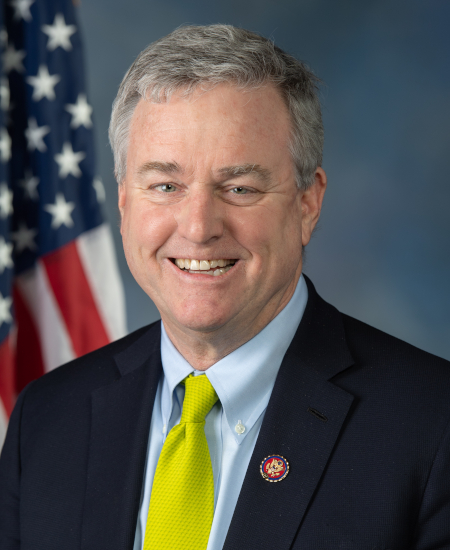
Rep. David J. Trone
Sponsored bills
Maddy summaryHR 6041, the Runaway and Homeless Youth and Trafficking Prevention Act of 2023, expands federal support for services targeting youth aged 12-26 experiencing homelessness or running away from home. The bill establishes grants for short-term shelter (Basic Center Program), longer-term transitional housing (Transitional Living Program), and specialized services for youth at risk of or experiencing trafficking (Sexual Abuse and Trafficking Prevention Program). It requires grantees to provide trauma-informed, culturally appropriate services that address substance use, mental health, education needs, and connections to caring adults, with special attention to vulnerable populations including LGBTQ youth, youth of color, and those involved with child welfare or justice systems. The bill authorizes $200 million annually for these programs through fiscal year 2028, with specific funding allocations for different program components.
Maddy summaryHR 6054, the Represent America Abroad Act of 2023, creates a 3-year pilot program to increase diversity in the U.S. Foreign Service by recruiting mid-career professionals from historically excluded groups - including racial/ethnic minorities, women, people with disabilities, and others - through a modified lateral entry pathway. The program requires participants to have 5-8 years of relevant experience, pass standard Foreign Service exams, and complete specialized training, with a goal of placing at least 50% of participants into mid-level Foreign Service roles annually. It mandates annual reporting to Congress on applicant demographics, advancement rates, retention, and recruitment efforts, targeting outreach to minority-serving institutions and community organizations. The bill directly affects the Department of State and USAID, aiming to address documented diversity gaps in leadership (currently 13-17% minority representation at executive levels) by expanding recruitment from underrepresented talent pools.
Maddy summaryThis bill authorizes a one-time $40,000 payment to former Air America employees who served at least five years during 1950-1976, or to their survivors (widows/widowers, dependents, or children). Additional $8,000 payments are provided for each full year of service beyond five years. The total funding is capped at $60 million, with claims due within two years of regulations being finalized. It does not create ongoing benefits or change Air America’s legal status, and payments are issued as a single lump sum.
Maddy summaryThe Safe Schools Improvement Act (HR 6031) requires public elementary and secondary schools to implement comprehensive anti-bullying policies that specifically prohibit harassment based on protected characteristics like race, gender identity, disability, religion, and sexual orientation. It mandates schools to collect and publicly report annual data on bullying incidents while establishing clear grievance procedures for students and parents. The bill also requires states to submit biennial reports on school compliance and supports evidence-based interventions, such as restorative practices, to reduce exclusionary discipline. This legislation directly affects all public K-12 schools and students in the U.S., aiming to create safer learning environments through standardized policy requirements and data transparency.
Maddy summaryThis bill creates a 40% tax credit for individuals and businesses purchasing zero-emission electric lawn, garden, and landscape equipment, such as electric mowers or trimmers. The credit covers 40% of the equipment's cost, with a yearly cap of $25,000 and a 10-year aggregate limit of $100,000 per taxpayer. Qualifying equipment must run on electricity (via solar, batteries, fuel cells, or grid power) and cannot use gasoline, diesel, or manual effort. The bill also includes related items like batteries, repair tools, and retrofitting equipment in the credit scope while preventing double benefits with other tax credits.
Maddy summaryThis bill removes a previous exclusion that prevented temporary federal employees (including U.S. Postal Service staff and Members of Congress) from counting service after January 1, 1988, toward their retirement benefits. It allows these workers to have their post-1988 temporary service counted toward retirement eligibility if they pay a deposit to the retirement system. The change applies to anyone employed by the federal government on or after the bill's enactment date. The Office of Personnel Management must notify affected employees and create rules to implement this change.
Maddy summaryThe Medical Debt Relief Act of 2023 would prevent credit bureaus from reporting medical debt on credit reports and stop creditors from using medical debt information when making credit decisions. It defines medical debt as any debt related to medical services, products, or devices, and requires the removal of existing medical debt entries from credit reports. Within one year of enactment, the Consumer Financial Protection Bureau must update regulations to prohibit creditors from considering medical debt in loan or credit applications. This directly affects consumers with medical debt (who may see improved credit scores) and creditors (who must adjust their credit evaluation practices).
Maddy summaryThe Adult Education WORKS Act creates "college and career navigators" who help adults access education, training, and employment services by providing personalized guidance on postsecondary options, career pathways, digital literacy, and information literacy skills. It amends federal workforce and adult education laws to require states and local workforce boards to promote hiring navigators at one-stop centers and authorizes $135 million annually for library-based and community-based navigator programs. The bill increases funding for adult education programs and updates performance metrics to include digital and information literacy skills as key indicators of program success. This legislation directly affects adult education providers, workforce development systems, and adult learners seeking career advancement through education and training.
Maddy summaryThe Streamlining Federal Grants Act of 2023 requires federal agencies to simplify grant application and reporting processes, with a focus on improving access for underserved communities, rural areas, and historically excluded organizations like faith-based groups. Key mechanisms include designating senior agency officials for grants, creating a Grants Council to coordinate improvements, and mandating plain-language notices of funding opportunities under 500 words. Agencies must develop annual plans to streamline procedures, ensure language accessibility for limited-English speakers, and report progress to Congress. The bill directly affects federal agencies managing grants and their recipients, aiming to reduce administrative burdens while expanding equitable access to federal funding.