

Maddy summaryHR 10108 (STARS Act of 2024) requires the U.S. Secretary of Defense, with the Secretary of State, to develop a Middle East space security strategy within 60 days of enactment. The strategy must assess threats to U.S. and allied space systems, detail progress on integrating Israel into regional security partnerships, and outline plans for multilateral data-sharing on space threats and security architecture. It directly affects U.S. allies and partners in the Middle East, including Israel, by establishing a framework for coordinated space situational awareness and defense. The bill mandates specific elements like threat assessments, capability gap analyses, and cost estimates for regional security cooperation, without making direct policy changes to existing laws.
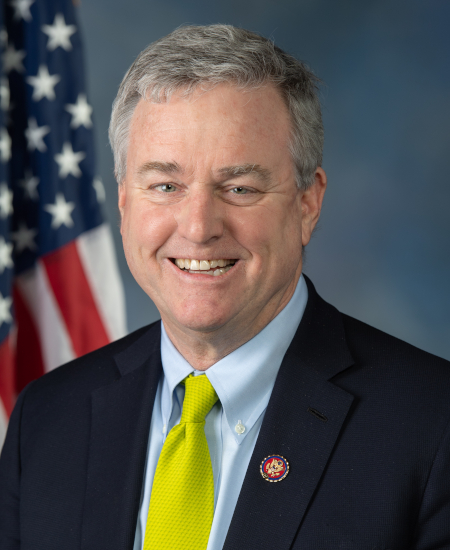
Rep. David J. Trone
Sponsored bills
Maddy summaryHR 10038 directs the Veterans Affairs (VA) Secretary to run a two-year pilot program making naloxone available at no cost and without a prescription to veterans and their VA-registered caregivers at VA pharmacies and medical facilities. The program requires providing information about VA addiction, suicide prevention, and mental health services, along with naloxone use education. The VA must report to Congress within 90 days of the pilot's end, detailing participation numbers, feasibility of expanding to family members or non-VA providers, and budget considerations for potential permanent adoption. This bill directly affects veterans and their registered caregivers by removing barriers to accessing overdose reversal medication.
Maddy summaryThe VA Employee Fairness Act of 2024 modifies collective bargaining rules for employees of the Veterans Health Administration (VHA). It removes existing subsections (b), (c), and (d) from the law governing VHA employee bargaining and renumbers the remaining provision. This change streamlines the collective bargaining framework but does not alter the Secretary of Veterans Affairs' existing authorities over incentive pay and expedited hiring. The bill directly affects VHA employees by changing how their collective bargaining rights are structured under federal law. The law remains neutral, focusing solely on procedural adjustments to the existing bargaining framework.
Maddy summaryHRES 1542 is a symbolic resolution designating October 15, 2024, as "National Pregnancy and Infant Loss Remembrance Day" to honor individuals and families who have experienced pregnancy loss or infant death. It directly affects those who have endured such losses by affirming their experiences and promoting awareness of the emotional impact - citing that approximately 1 million pregnancies end in miscarriage, stillbirth, or newborn death annually in the U.S. The resolution requests the President issue a proclamation encouraging nationwide observance through community activities and support. It does not create new laws or funding but aims to reduce stigma and foster understanding around this issue.
Maddy summaryHRES 1537 is a non-binding House resolution condemning Hamas' October 7, 2023, attacks on Israel, which killed over 1,200 people and took 251 hostages, including 7 Americans still held captive. It calls on Hamas to immediately surrender, cease attacks, and release all hostages unconditionally, while reaffirming Israel's right to self-defense. The resolution also urges international organizations to condemn Hamas' actions and address the global surge in antisemitism following the attacks. As a symbolic statement, it does not create new laws or alter policy but expresses congressional position. The bill specifically references the ongoing captivity of seven U.S. citizens: Edan Alexander, Itay Chen, Sagui Dekel-Chen, Gadi Haggai, Judith Weinstein Haggai, Omer Neutra, and Keith Siegel.
Maddy summaryThe LINK Act of 2024 creates a military exchange program between the U.S. and Middle Eastern partner nations to support regional integration. It requires the Secretary of Defense to establish a program where U.S. and allied military officers (from E-7 to O-9 pay grades) with expertise in areas like cyber defense, counterterrorism, and military law exchange knowledge through quarterly in-person meetings. The program must cover topics including defense planning, budgeting, and women's participation in peace and security, with annual reports to Congress for six years detailing activities and effectiveness. This directly affects U.S. military personnel, partner nations' militaries, and their defense cooperation efforts.
Maddy summaryThe Return USA Act establishes a federal pilot program to help mid-career professionals with at least three years of prior work experience re-enter government jobs after a career break of one year or more (e.g., for childcare, elder care, or health reasons). The program, called "Return USA," provides one-year mentorship, training, and professional development, prioritizing underrepresented groups like women and aiming to convert successful participants to permanent federal positions without further competition. Funded at $5 million annually starting in 2025, it requires agencies to report on participant demographics, retention rates, and program impact to Congress. The bill directly affects federal hiring practices and aims to strengthen workforce diversity by addressing barriers faced by those returning after career interruptions.
Maddy summaryHR 7032, the Congressional Budget Office Data Sharing Act, amends the 1974 Congressional Budget Act to give the Congressional Budget Office (CBO) clearer authority to quickly obtain data from executive branch agencies. The bill removes barriers to CBO requests by allowing data sharing "with or without written agreement," while requiring the CBO to maintain required confidentiality levels. It also prevents future laws from limiting this authority unless specifically referenced. The law directly affects the CBO and federal agencies that provide budget-related data, aiming to improve the CBO's ability to analyze government spending.
Maddy summaryThis bill updates federal guidance for the National Electric Vehicle Infrastructure Formula Program, allowing states to certify electric vehicle charging stations located more than one mile from highways as part of their infrastructure coverage. States must consider economic benefits for communities and small businesses along designated alternative fuel corridors when selecting these locations. The change increases flexibility for states in placing chargers outside highway corridors while still meeting program requirements. It directly affects states administering the federal EV charging program under the Infrastructure Investment and Jobs Act.
Maddy summaryHR 9868, the Effective Death Penalty Appeals Act, amends federal habeas corpus procedures to expand opportunities for death row inmates to challenge their sentences. It adds a new exception allowing federal courts to review claims where a death sentence was imposed without considering newly discovered evidence that, combined with trial evidence, reasonably suggests the inmate is probably innocent of the underlying offense. This change specifically applies to cases involving newly discovered evidence of innocence that was not evaluated during the original trial or appeal. The bill modifies existing legal standards in Sections 2254(d) and 2244(b) of Title 28, U.S. Code, to permit such claims in second or successive habeas petitions. It does not alter the death penalty itself but adjusts the procedural pathway for reviewing innocence claims in capital cases.