

Maddy summaryHRES 1516 is a resolution passed by the U.S. House of Representatives to commend Big Brothers-Big Sisters of America on its 120th anniversary. It recognizes the organization’s work in providing youth mentorship that helps young people graduate from school and plan for their future. The resolution highlights how the organization, operating in over 5,000 communities nationwide, has supported millions of young people through long-term mentor relationships. As a symbolic gesture, it does not create new laws or policies but expresses congressional support for the organization’s mission.
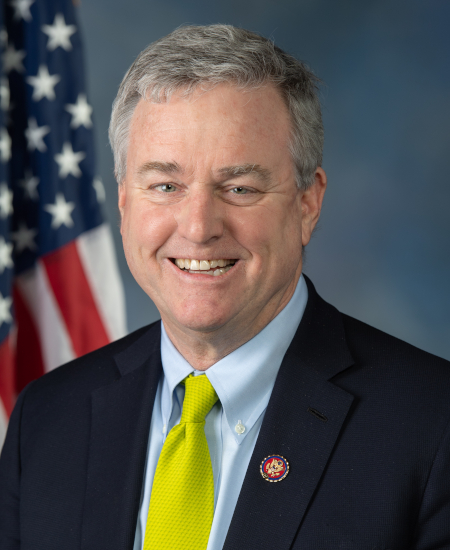
Rep. David J. Trone
Sponsored bills
Maddy summaryHRES 1503 is a non-binding resolution expressing the U.S. House of Representatives' support for designating October 2024 as "National Youth Justice Action Month." It acknowledges that youth under 18 should not face adult criminal justice consequences and recognizes the goals of this awareness month, which focuses on reducing youth incarceration and addressing disparities in the justice system. The resolution also notes the 50th anniversary of the Juvenile Justice and Delinquency Prevention Act. As a symbolic gesture, it does not create new laws or directly affect any individuals or programs.
Maddy summaryHR 9835, the Sexual Abuse Services in Detention Act, authorizes federal funding to provide emotional support services for individuals who have experienced sexual abuse while in detention. It creates three key mechanisms: (1) $10 million annually for grants to nonprofit providers collaborating with correctional facilities to deliver crisis counseling, safety planning, and resources; (2) $5 million annually for training grants to help correctional staff understand and support survivors; and (3) a $2 million annual national resource center to share best practices and training materials. The bill directly affects incarcerated survivors of sexual abuse and the facilities holding them, requiring services to be provided by specialized nonprofits with correctional experience. Funding is authorized for fiscal years 2024-2029, supplementing existing programs without replacing them.
Maddy summaryHR 8119, the PEARL Act, establishes a 3-year pilot program at U.S. Customs and Border Protection (CBP) to adopt therapy dogs from local animal shelters for emotional support of CBP personnel. The bill requires the Secretary of Homeland Security to create the program within 60 days of enactment, train shelter dogs as therapy dogs, and reimburse CBP for related costs. It also authorizes $1,000,000 for CBP's existing Support Canine Program. The bill directly affects CBP officers and staff by introducing a new emotional wellness resource through therapy dog interactions.
Maddy summaryHR 1719, the Honoring Our Fallen Heroes Act of 2023, establishes a presumption that certain cancers diagnosed in public safety officers (like police and firefighters) are work-related if linked to their duties. It defines 22 specific cancers (including lung, mesothelioma, and WTC-related cancers) as "exposure-related," allowing officers or their families to receive benefits without proving direct work connection, provided they were diagnosed within 15 years of leaving active service. The bill also creates a process for adding new cancers to the list based on scientific evidence, requiring the Bureau to review petitions and make decisions within 180 days. This applies to deaths or disabilities occurring on or after January 1, 2023, directly affecting officers who developed covered cancers during service.
Maddy summaryHCONRES 130 is a symbolic concurrent resolution commending state and local governments that treat reproductive rights as human rights following the *Dobbs* decision. It recognizes efforts by cities like Austin, Texas, and Montgomery County, Maryland, to expand abortion access and condemn criminalization of pregnancy outcomes. The resolution affirms that reproductive rights are human rights, urges states to repeal restrictive laws, and references U.S. obligations under international human rights treaties. As a non-binding resolution, it does not create new laws or alter existing policies.
Maddy summaryHR 3433, the "Give Kids a Chance Act of 2024," requires pharmaceutical companies developing certain cancer drugs to conduct pediatric studies if the drugs target molecular pathways relevant to childhood cancers. It directly affects drug manufacturers submitting new applications for cancer treatments, particularly those combining previously approved adult cancer drugs or containing a single new active ingredient. The bill amends FDA regulations to mandate these pediatric investigations only when specific conditions are met, such as when a drug's molecular target is relevant to pediatric cancer growth. The FDA must issue implementing guidance within 12 months, and reports to Congress will track implementation and effectiveness starting 2 years after enactment.
Maddy summaryThis bill prohibits hospitals and transplant centers from denying organ transplants or related services to people with disabilities solely because of their disability. It requires covered entities to make reasonable modifications to policies (like considering a patient's support network for post-transplant care) and provide auxiliary aids (such as communication services or accessible health information). The law specifically prevents discrimination based on disability during evaluation, listing, and treatment, while clarifying that medical decisions must be based on individualized assessments - not disability alone. It applies to all organ transplant processes and allows individuals to file complaints with the Department of Health and Human Services or sue for violations.
Maddy summaryHRES 1489 is a symbolic House resolution designating the week of September 23-27, 2024, as "National Clean Energy Week." It expresses congressional support for recognizing clean energy's role in economic growth (citing 8.35 million jobs in the sector) and encourages voluntary actions like public awareness, investment in clean energy technologies, and supporting local clean energy jobs. The resolution does not create new laws, funding, or obligations - it only formally endorses the week-long observance to highlight clean energy’s economic and environmental benefits. It directly affects no specific group but aims to raise national awareness of the clean energy sector.
Maddy summaryHRES 1487 is a symbolic resolution designating September 23-29, 2024, as "Asian American and Native American Pacific Islander-Serving Institutions Week." It recognizes the work of institutions serving Asian American, Native Hawaiian, and Pacific Islander students - such as those enrolling 10%+ of these students and awarding over 45% of bachelor’s degrees for these groups - without creating new policies or funding. The resolution encourages higher education institutions to seek funding for culturally relevant programs and asks the public to observe the week through activities supporting these institutions. It has no direct legal effect or impact on beneficiaries beyond raising awareness.