

Maddy summaryHR 8611, the Save Our Small Farms Act of 2024, amends crop insurance and assistance programs to better support small-scale and diversified farms. The bill creates a voluntary transition program from noninsured crop disaster assistance to whole farm revenue insurance with tiered premium discounts (25% for the first year, 50% for subsequent years) and streamlines application processes for urban, small-scale, and direct-to-consumer farming operations. It allows use of IRS Schedule F for revenue history, establishes remote appraisal options for crop loss assessments, and creates a new single index insurance policy to protect against weather-related income losses. These changes directly affect limited resource, beginning, veteran, and socially disadvantaged farmers, as well as producers of hand-harvested or rapidly-deteriorating crops.
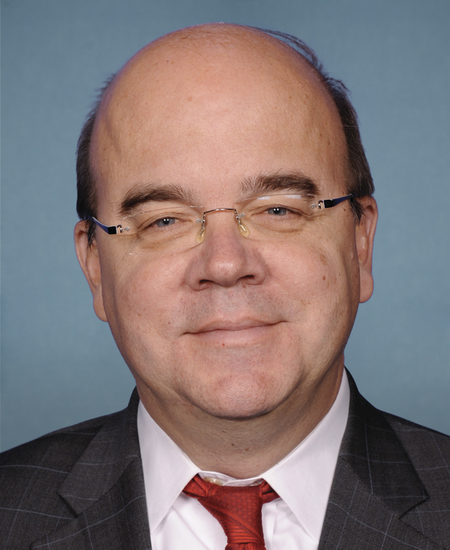
Rep. James P. McGovern
Sponsored bills
Maddy summaryHR 8472, the Freight for Farms Act, expands eligibility for existing USDA community facilities loans and grants to include freight rail infrastructure that directly connects farms and agricultural businesses to markets or services. This change affects rural communities and agricultural entities seeking to improve transportation access for farming operations. The bill adds specific requirements for these rail projects, mandating they follow certain transportation safety standards (via 49 U.S.C. sections 22905 and 22404) while applying USDA, not Transportation Department, oversight. It becomes effective 60 days after enactment, allowing USDA to fund rail projects that support agricultural access under current loan and grant programs.
Maddy summaryHR 8199, the *Increasing Nutrition Access for Seniors Act of 2024*, would make it easier for seniors and disabled individuals in SNAP (food stamp) households to qualify for benefits. It expands certification periods to 36 months for households without earned income and creates a new standard medical deduction: states can automatically deduct $155 monthly (adjusted yearly for inflation) from income for seniors/disabled members who report over $35 in monthly medical expenses. States may also set higher deductions if they provide evidence of higher average medical costs in their area. These changes apply to new certification periods starting 180 days after enactment.
Maddy summaryHRES 1419 is a symbolic resolution recognizing Overdose Awareness Day and committing the House to strengthen efforts against the opioid crisis. It does not create new law but formally: (1) recognizes Overdose Awareness Day, (2) pledges to advance bipartisan policies reducing stigma around substance use disorders, and (3) commits to collaborating with states, communities, and organizations to support prevention, treatment, harm reduction, and recovery services. The resolution highlights the crisis' severity - including 932,000 overdose deaths since 1999 and a $1 trillion annual economic burden - but focuses on shared goals rather than specific policy changes. It directly affects congressional action and public messaging, not individual citizens or programs.
Maddy summaryThis bill would require the federal government to cover 100% of state agencies' costs for SNAP program staff salaries, hiring, and training. It sets minimum wage standards for SNAP workers at the same rate as federal employees, with annual updates tied to federal pay increases. States must submit detailed wage plans for federal approval. The policy aims to improve staffing stability and retention for SNAP operations.
Maddy summaryThis bill requires the USDA to improve data collection for organic dairy farmers. It mandates the Secretary of Agriculture to track costs of organic feedstuffs (like corn, soybeans, and pasture), establish a monthly survey of organic milk prices paid to farmers (covering major production regions), and publish updated reports with organic milk data equivalent to conventional milk reports. The data collected will include regional organic milk production volumes, feed prices, and the average price farmers receive for their milk. These reports will help organic dairy farmers, processors, and policymakers understand market conditions and production costs.
Maddy summaryThe Equal Pay for Equal Work Act establishes a National Equal Pay Enforcement Task Force to strengthen enforcement of existing equal pay laws. The task force, made up of representatives from the Equal Employment Opportunity Commission, Department of Justice, Department of Labor, and Office of Personnel Management, will coordinate efforts to investigate pay disparities and develop solutions. It will create action plans to address enforcement gaps and improve public education about pay equity. This bill directly affects federal agencies and workers facing wage discrimination by enhancing how equal pay laws are enforced across government.
Maddy summaryThis non-binding House resolution expresses the House's support for keeping guns out of schools by stating federal funds should not be used to arm school personnel or provide them firearm training. It references existing laws like the STOP School Violence Act (2018) and research showing arming staff does not improve safety, citing data on failed interventions and disproportionate impacts on students of color. The resolution affirms current policy guidance without creating new legal requirements. It serves as a formal statement of the House's position based on evidence and existing legislative frameworks.
Maddy summaryThis resolution (HRES 1406) commemorates the 175th anniversary of formal diplomatic relations between the United States and Guatemala, established on January 31, 2024. It honors the contributions of Guatemalan-Americans to U.S. society, recognizes Ambassador Francisco Villagrán de León’s service, and acknowledges ongoing U.S.-Guatemala cooperation on trade, migration, anti-corruption efforts, and shared democratic values. The resolution includes non-binding statements urging Guatemala to address corruption, support indigenous communities, protect activists, and continue recognizing Taiwan, while calling on the U.S. to counter Chinese economic coercion against Guatemala. As a commemorative resolution, it does not create new laws or obligations but formally acknowledges historical and current bilateral ties.
Maddy summaryThe NO BAN Act (HR 9244) prohibits U.S. immigration authorities from denying visas or entry based on national origin, religion, or sex. It amends immigration law to explicitly ban such discrimination in visa decisions and tightens restrictions on the president’s power to suspend entry of certain groups under Section 212(f). The bill requires specific evidence, narrow tailoring, time limits, and congressional notification for any entry restriction, while mandating public reports on visa denials and waivers. It directly affects nonimmigrant visa applicants (e.g., students, workers) and federal agencies administering immigration policy.