

Maddy summaryThe New England Coastal Protection Act of 2024 prohibits the federal government from leasing any area of the outer Continental Shelf off the coasts of Maine, New Hampshire, Massachusetts, Rhode Island, and Connecticut for oil and gas exploration, development, or production. It amends the Outer Continental Shelf Lands Act to explicitly block such leases, overriding any existing or future laws that might permit them. This policy change directly affects the oil and gas industry by eliminating potential new drilling opportunities in these coastal waters and restricts the federal government’s authority to issue offshore energy leases in the region. The bill creates a permanent ban on new oil and gas leasing in this specific coastal zone.
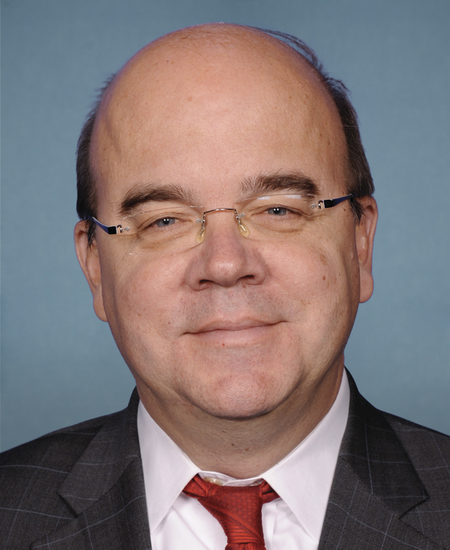
Rep. James P. McGovern
Sponsored bills
Maddy summaryHR 8699, the Humane Transport of Farmed Animals Act, requires the U.S. Transportation and Agriculture Secretaries to create an inspection and enforcement system within 180 days to ensure carriers comply with animal transport rules. It directly affects rail, trucking, and shipping companies transporting livestock interstate, mandating they follow new standards. The bill prohibits moving livestock deemed "unfit to travel" (e.g., sick, injured, newborns with unhealed navels, pregnant animals near delivery, or those unable to stand) across state lines, referencing the World Organisation for Animal Health’s standards. An exception allows movement for veterinary care. The law focuses on defining specific conditions requiring transport restrictions and establishing government oversight.
Maddy summaryHRES 1396 is a non-binding resolution recognizing the 50th anniversary of Cabo Verde's independence from Portugal (July 5, 1975) and celebrating the contributions of Cabo Verdean-Americans to democracy in both Cabo Verde and the United States. The resolution expresses support for Cabo Verde's democratic governance and commends its recent support for Ukraine's sovereignty, while highlighting historical ties like Cabo Verdean-American roles in U.S. civil rights movements and cultural bridges. As a symbolic gesture, it does not create new laws or obligations but formally honors the shared history and diaspora connections between the two nations.
Maddy summary# Summary of Proposed Workplace Discrimination and Harassment Prevention Bill This comprehensive legislative proposal aims to strengthen protections against workplace discrimination and harassment through multiple interconnected provisions: 1. **Expanded Protections**: Broadens coverage to include sexual orientation, gender identity, and other protected categories in workplace discrimination laws. 2. **Nondisclosure Agreement Restrictions**: Prohibits employers from requiring nondisclosure or nondisparagement clauses that would prevent workers from reporting harassment or discrimination, with limited exceptions for settlement agreements meeting specific requirements. 3. **Arbitration Prohibition**: Bans mandatory pre-dispute arbitration agreements for work-related disputes and imposes strict requirements for post-dispute agreements. 4. **Federal Contractor Requirements**: Mandates that federal contractors disclose labor and civil rights violations from the previous three years and requires corrective actions for violations. 5. **Grant Programs**: - National grants to prevent and address workplace discrimination through education, outreach, and complaint assistance - Grants for legal assistance to low-income workers facing employment discrimination - State-level advocacy systems with funding allotments to support worker rights protection 6. **Enforcement Mechanisms**: Establishes clear enforcement procedures, with the Equal Employment Opportunity Commission (EEOC) having authority to enforce these provisions with powers similar to those under existing civil rights laws. The bill also includes definitions, implementation details, and provisions for state and federal coordination to create a comprehensive system for preventing and addressing workplace discrimination and harassment across all sectors of employment.
Maddy summaryHR 9229, the MAIL Act, requires the U.S. Postal Service to provide free post office boxes to unhoused or housing unstable individuals without fees. Eligibility is based on proof of income below the poverty line or participation in specific federal assistance programs, including housing vouchers (like Section 8), Medicaid, or the Supplemental Nutrition Assistance Program (SNAP). The bill defines "unhoused or housing unstable" using existing federal standards for homelessness or risk of homelessness. It mandates the Postal Service to issue regulations within one year of enactment and report on implementation to Congress. This policy change directly affects low-income individuals facing housing insecurity by removing a financial barrier to secure mail access.
Maddy summaryThis bill establishes the Destination Reception Services Program to provide medium-term support to certain immigrants in the U.S., including those granted parole, placed in removal proceedings, or with pending asylum applications. It authorizes $3 billion annually (2025-2028) to fund services like housing assistance, healthcare, job training, legal aid for work authorization/asylum, childcare, and transportation through local government and nonprofit organizations. The program is managed by a federal Board and local community boards that identify high-need areas and allocate funds based on criteria like immigrant population density and service gaps. It explicitly states the program is not an "alternatives to detention" initiative and prioritizes services to help new arrivals achieve self-sufficiency.
Maddy summaryThis bill permanently removes a 2026 expiration date for a tax exclusion allowing employers to pay employees' student loans through educational assistance programs without those payments being counted as taxable income. It directly affects employees who receive employer-sponsored student loan repayment assistance and employers offering such programs. The key provision amends the Internal Revenue Code to make this tax exclusion permanent, applying to all future payments made after the bill's enactment. This change simplifies the tax treatment for both employers and employees participating in these student loan repayment programs.
Maddy summaryThis bill establishes a federal program under the EPA to improve indoor air quality in schools and childcare facilities, directly affecting local educational agencies and covered childcare providers. It requires the EPA to develop science-based guidelines for harmful indoor contaminants (like mold, radon, and chemicals), conduct a national assessment of school air quality within three years, and provide technical assistance to schools. The bill also creates voluntary certification programs for buildings meeting high indoor air quality standards and authorizes $100 million annually for implementation. Key mechanisms include mandatory assessments, updated ventilation standards, and funding for schools to reduce exposure to air contaminants.
Maddy summaryH.J. Res. 193 proposes a constitutional amendment to eliminate legal immunity for federal officials, including the President, from criminal prosecution for actions taken while performing official duties. It also prohibits the President from granting a pardon to themselves. The amendment would apply to all federal officers (such as the President, Vice President, and members of Congress) except for Congress members acting in their legislative role as defined in the Constitution. If ratified by 38 states, this change would become part of the U.S. Constitution, requiring no further congressional action.
Maddy summaryHRES 1381 is a symbolic resolution that commemorates the United States Olympic and Paralympic Teams' historical achievements, including over 5,300 total medals across past Games. It expresses congressional support for U.S. athletes competing in the 2024 Summer Olympics and Paralympics in Paris, France, and commends the Government of France for hosting the events. The resolution also commits to ensuring a safe environment for the 2028 Los Angeles Olympic and Paralympic Games. As a non-binding expression of support, it does not create new laws or allocate funds.