

Maddy summaryHR 4566, the PRESUME Act, changes how veterans exposed to radiation during military service qualify for medical benefits. It prohibits the Department of Veterans Affairs from requiring veterans to provide evidence of a specific radiation dose to be classified as "radiation-exposed." This directly affects veterans who served in roles involving radiation exposure, such as those participating in atomic testing or working with nuclear materials. The bill streamlines eligibility by removing a key barrier to accessing medical benefits they are already entitled to under existing law.
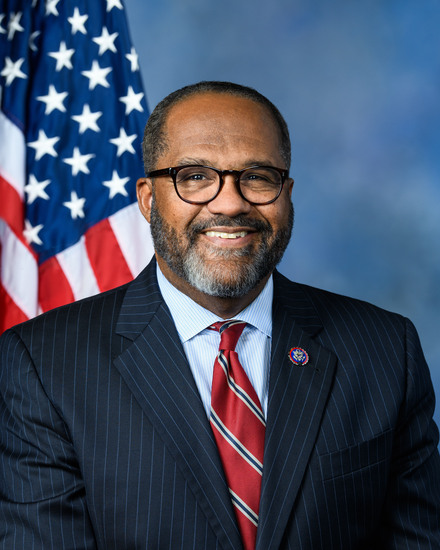
Rep. Troy A. Carter
Sponsored bills
This resolution expresses support for the designation of National Vitiligo Awareness Day. (Vitiligo is a chronic condition that results in the loss of pigment in patches on the skin, hair, eyes, and inside of the mouth; the condition may lead to discomfort, itching, and pain.)
Maddy summaryThis bill creates a tax credit for video distributors (like cable or streaming companies) that carry content from independent programmers meeting specific criteria. Distributors earn a credit up to $0.30 per subscriber for new or expanded carriage agreements reaching at least 40% of subscribers, based on license fees paid to qualifying creators. The credit applies only to content from small, independent creators (not owned by large media companies, publicly traded firms, or networks). The FCC must submit biennial reports tracking how many independent programmers benefit from this policy, including average carriage duration.
Maddy summaryHR 5976, the Youth Mental Health Research Act, establishes a new NIH research initiative led by the National Institute of Mental Health. The bill directs collaboration between three NIH institutes to coordinate research on youth mental health, focusing specifically on building community resilience for at-risk youth and improving how mental health services reach young people in schools, communities, and other settings where they live and work. It authorizes $100 million annually for fiscal years 2024 through 2028 to fund this research. The bill does not create direct services but aims to generate evidence to inform future mental health support strategies for young people.
Maddy summaryThe Counseling Not Criminalization in Schools Act prohibits federal funding for school police officers and establishes a $5 billion grant program to help schools replace law enforcement with mental health professionals like counselors, social workers, and psychologists. The bill directly affects schools serving marginalized students, particularly Black, Native American, Latino, and LGBTQI+ students, who disproportionately face school discipline and police involvement. Key provisions require schools to terminate police contracts within 30 days of receiving funds and use the money for trauma-informed services, restorative justice programs, and anti-bias training. The bill also prohibits using funds for surveillance technology, punitive discipline policies, or arming school staff, while requiring schools to report on disciplinary practices and demographic data. This legislation aims to address racial disparities in school discipline and shift school safety toward supportive, evidence-based approaches rather than criminalization.
Maddy summaryHRES 832 is a symbolic resolution recognizing Día de los Muertos (Day of the Dead) as an annual cultural observance in the U.S. and globally. It acknowledges the holiday's origins in Mesoamerican traditions, its significance in honoring deceased loved ones through altars (*ofrendas*), and its role in celebrating Latino cultural heritage. The resolution specifically highlights the contributions of Mexican and Mexican American communities to U.S. society and culture, without creating new laws or obligations. It is a ceremonial gesture by Congress, not a policy with concrete effects on individuals or communities.
Maddy summaryHRES 831 is a symbolic congressional resolution supporting October as "National Domestic Violence Awareness Month." It does not create new laws or allocate funding, but formally expresses the House of Representatives' support for the goals of raising awareness about domestic violence. The resolution urges Congress to continue highlighting domestic violence's impact and backing programs that prevent and address it. It directly affects public awareness efforts and serves as a non-binding statement of congressional support for victims and advocacy organizations.
Maddy summaryThis bill updates legal terminology in District of Columbia court codes to replace outdated and potentially stigmatizing terms. It specifically replaces "substantially retarded persons" and similar phrases with "persons with moderate intellectual disabilities" in three sections covering U.S. District Court, Superior Court, and Family Court jurisdiction. The change directly affects how DC courts formally reference individuals in legal contexts, aligning terminology with current standards. It is a purely procedural update to court codes with no new policy or funding provisions. The bill does not alter eligibility, rights, or court procedures - only the language used in the legal text.
Maddy summaryHR 5983, the Clean Water Act of 2023, redefines "protected water resources" under federal law to explicitly include all interstate and intrastate waters (such as intermittent and ephemeral streams), wetlands, and their tributaries. This directly affects federal agencies like the EPA, states managing water quality, and developers or landowners needing permits for activities near these waters. The bill eliminates the Supreme Court’s narrow "navigable waters" definition from Sackett v. EPA (2023), restoring protections for tens of millions of acres of wetlands and millions of miles of small streams. Key mechanisms require the EPA to annually review and adjust exclusions from protections based on scientific evidence, ensuring water bodies critical to drinking water, flood control, and ecosystems remain safeguarded.
Maddy summaryThis resolution (HRES 817) formally recognizes four African American legislators - James Lewis, John Willis Menard, Pinckney B.S. Pinchback, and Josiah Thomas Walls - as former Members of the House. It states they duly won election during the Reconstruction Era (1869-1874) but were wrongly denied seats due to contested credentials. The resolution directs the House to recognize them as former Members and display oil portraits of them in a House corridor. This is a symbolic gesture of historical acknowledgment, not a legal change to their status or voting rights.