

Maddy summaryThe Confronting Police Violence Against Children Act of 2023 requires the National Institute of Justice to study all incidents where children under 18 were seriously harmed or killed by law enforcement officers over the past 15 years. The report must analyze demographic details (like age, race, disability status), officer training, incident circumstances, and whether children were in mental health crises, while gathering input from legal experts, medical professionals, and community groups. It will provide recommendations for preventing excessive force, improving officer training for youth interactions, and ensuring children receive help from mental health professionals instead of police. The goal is to inform future policies and training practices, not to enact immediate legal changes.
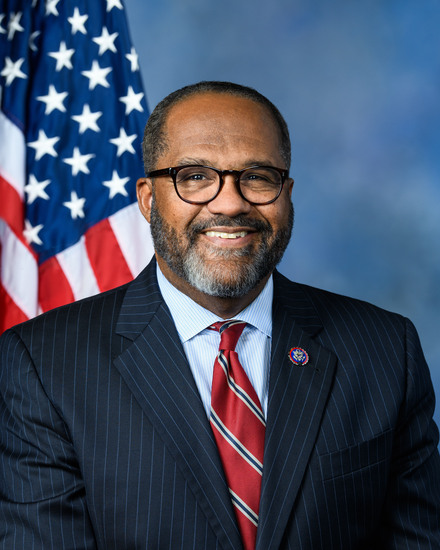
Rep. Troy A. Carter
Sponsored bills
Maddy summaryHR 3601, the Student Veteran Work Study Modernization Act, expands eligibility for a Veterans Affairs work-study allowance to veterans enrolled at least half-time in rehabilitation, education, or training programs - lowering the previous requirement from three-quarter-time. The bill establishes a five-year pilot program to test this change, requiring the VA to apply the same allowance rules to these veterans as to other participants, except for the enrollment threshold. It also mandates annual reports to Congress tracking participation numbers, four-year degree completion rates, and full-time VA employment outcomes for participants. The policy directly affects veterans seeking education benefits while balancing academic and personal responsibilities.
Maddy summaryThis bill establishes a program within the Department of Homeland Security's Geospatial Management Office to sustain and expand existing GIS (mapping) technology used in emergency response, specifically for urban search and rescue operations. It authorizes $3 million annually from 2024 through 2030 to fund coordinated training, technology maintenance, and collaboration with nonprofit organizations specializing in geospatial public safety tools. The program directly affects emergency responders and nonprofit entities working with emergency response platforms, ensuring their technology remains operational before disasters. DHS must report annually to Congress on fund usage and program effectiveness starting in 2025.
This concurrent resolution recognizes the difficult challenges Black veterans faced when returning home after serving in the Armed Forces, their heroic military sacrifices, and their patriotism in fighting for equal rights and for the dignity of a people and a nation. The concurrent resolution also recognizes the need for the Department of Veterans Affairs to continue to work to eliminate any health and benefit disparities for minority veterans.
Maddy summaryHR 6327, the Youth Financial Learning Act, provides federal grants to state education agencies to integrate financial literacy education into public elementary and secondary schools. States use these funds to develop curricula covering topics like budgeting, credit, and student loans, and to award subgrants to local schools, prioritizing high-need areas. States must contribute 25% of the grant amount from non-federal sources and ensure programs sustain beyond the grant period. The bill directly affects public K-12 schools, requiring them to embed financial literacy into classroom learning and partner with community organizations for after-school programs. It authorizes funding for fiscal years 2024 through 2027.
Maddy summaryThe FAMILIES Act creates a program allowing courts to divert eligible parents and caregivers from incarceration into community-based supervision instead of prison or probation. Eligible individuals include parents of minor children, expectant parents, and caregivers for minors, elderly, or disabled family members. The program provides comprehensive services like education, job training, substance abuse treatment, and family counseling, with provisions to prevent financial barriers from hindering participation. Courts must consider factors like caregiver responsibilities and risk to family members when determining eligibility, and successful participants may qualify for record expungement.
Maddy summaryHR 6121, the Filipino Veterans Fairness Act of 2023, expands U.S. veterans benefits for individuals who served in the Philippine Army, Philippine Scouts, or recognized guerrilla forces during World War II. It directly affects Filipino veterans who previously faced challenges proving service due to limited documentation. The bill allows the Secretary of Veterans Affairs to consider alternative records beyond the National Personnel Records Center rosters when determining eligibility, requires annual reports to Congress on applications and approvals, and clarifies that the Filipino Veterans Equity Compensation Fund does not apply to these veterans. These changes aim to streamline access to benefits for this specific group of veterans.
This resolution supports the goals and ideals of National High School Seniors Voter Registration Day. It also encourages all eligible students to register to vote.
Maddy summaryHR 6290, the Recidivism Reduction Transparency Act of 2023, requires states and localities receiving federal grants for offender reentry programs to submit detailed annual reports. These reports must now include specific recommendations for replicating successful reentry projects, in addition to standard performance data. The Department of Justice must then compile and publicly release an annual summary of all grantees' results, including strategic outcomes and progress. This bill directly affects states and local governments managing federal reentry grants and the Justice Department, focusing on increasing transparency around program effectiveness without changing the core grant program itself.
Maddy summaryHR 6298, the Stop Shackling and Detaining Pregnant Women Act, prohibits the detention of pregnant, lactating, or postpartum noncitizens in immigration custody, requiring their immediate release except in narrow cases involving an immediate threat to safety. It bans the use of restraints during labor, delivery, and postpartum care, except under strict conditions with documented justification, and mandates access to comprehensive reproductive health services including abortion. Detention facilities must conduct biweekly reviews to reassess detention needs and report detailed data on restraint use, detention lengths, and pregnancy outcomes. The bill applies directly to pregnant noncitizens held under U.S. immigration law and requires training for DHS staff on its provisions.