

Maddy summaryHR 5636, the "Protect Children’s Innocence Act," prohibits federal criminal penalties for performing gender-affirming medical care on minors under specific circumstances. It defines prohibited care as surgeries (like hysterectomy or mastectomy), puberty blockers, and hormone therapies at supraphysiologic doses, with exceptions for medical emergencies, intersex conditions, or life-threatening illnesses. The law only applies when the care involves interstate commerce (e.g., payments, communications, or travel across state lines). Minors receiving such care cannot be prosecuted, but they may sue providers for civil damages. The bill directly affects minors under 18, healthcare providers, and families seeking gender-affirming medical treatment.
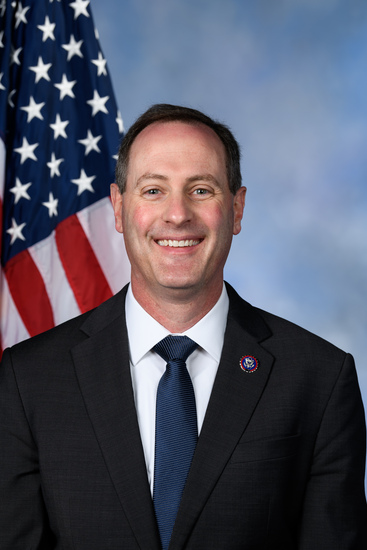
Rep. Tracey Mann
Sponsored bills
Maddy summaryThe Biomanufacturing and Jobs Act amends the USDA's BioPreferred Program to increase federal purchasing of biobased products made from agricultural commodities like corn and soybeans. It requires federal agencies to annually update their procurement targets for biobased products, establishes a new USDA task force to coordinate biobased product programs, and creates new labeling and reporting requirements. The bill affects federal procurement agencies, USDA's programs, and manufacturers of biobased products including personal care items, paints, construction materials, and textiles. Key mechanisms include mandatory federal procurement targets, annual updates to procurement requirements, training for procurement staff, and public marketing initiatives to promote biobased products.
Maddy summaryHR 1435, the Preserving Choice in Vehicle Purchases Act, amends the Clean Air Act to restrict states from implementing vehicle emissions rules that limit the sale or use of new gasoline-powered cars. It directly affects states with stricter emissions standards (like California) by adding a new definition that blocks state rules "directly or indirectly" limiting internal combustion engine vehicles as defined in federal regulations as of January 1, 2023. The bill requires the EPA to revoke existing state emissions waivers granted between January 2022 and the bill’s enactment if they don’t comply with this new definition. This creates a concrete federal standard preventing states from advancing policies that could reduce demand for conventional vehicles.
Maddy summaryHR 5465, the Congressional Access to Bureaucratic Offices Act (CABO Act), requires federal agency heads to allow Members of Congress and their staff access to agency headquarters buildings during regular business hours. It mandates that access be granted upon presentation of valid congressional identification (for Members) or a staff badge while accompanied by the employing Member (for staff), with exceptions for areas requiring secret-level security clearance. The bill also ensures this access applies during declared emergencies (like national emergencies under the National Emergencies Act or public health emergencies), without imposing additional costs by using existing agency funds. This directly affects how federal agencies manage physical access for congressional personnel.
Maddy summaryHR 5455, the Collision Avoidance Systems Act of 2023, allows automakers to install pulsating light systems as rear-end collision avoidance technology on new vehicles. The bill requires the Secretary of Transportation to issue new regulations within 180 days updating Federal Safety Standard 108 to include performance-based rules for these systems. Specifically, it defines a "pulsating light system" as a high-mounted brake light that flashes rapidly (up to 4 times for no more than 1.2 seconds) before switching to steady light, with a 5-second lockout period after braking stops. This directly affects vehicle manufacturers who must comply with the updated safety standards for brake lights.
Maddy summaryThe Life.Gov Act (HR 5406) requires the U.S. Department of Health and Human Services to create a federal website called life.gov within one year of enactment. The website will provide pregnant and postpartum women with locally tailored resources - such as health services, financial assistance, and mental health support - via zip code searches, multilingual access, and user feedback tools. States must submit resource recommendations meeting strict criteria (e.g., no abortion providers, 3+ years of service), and the website cannot list "prohibited entities" (defined as abortion providers or supporters). The Secretary must report to Congress within 180 days on website usage, user feedback, and gaps in resources, using existing HHS funding.
Maddy summaryThis bill requires parties in civil lawsuits to disclose any foreign entities funding their case - including names, addresses, and countries of origin - within 30 days of filing or signing funding agreements. It specifically prohibits foreign governments and sovereign wealth funds from funding litigation where payment depends on the case outcome, banning such agreements entirely. Parties must also certify if foreign money is used and submit annual reports to Congress detailing foreign funders, judicial districts involved, and case types. The law applies to all civil cases filed after enactment, aiming to increase transparency about foreign influence in U.S. courts.
Maddy summaryHR 5437, the Protecting Infrastructure Investments for Rural America Act, modifies federal transportation grant rules to better support small rural communities. It redefines "small community" as areas outside urbanized zones with 5,000 or fewer residents (down from 20,000) and requires at least 5% of annual program funds to support projects in these areas. The bill increases federal funding for eligible projects in small communities from 80% to 90% of costs and mandates that projects must improve economic development or quality of life for residents. This directly affects rural towns and villages with populations under 5,000 seeking highway, road, bridge, or tunnel improvements.
Maddy summaryHR 3152, the "Fight CRIME Act," aims to maintain international restrictions on Iran's missile-related activities by requiring diplomatic efforts to extend these restrictions before they expire in October 2023. The bill mandates annual reports detailing U.S. diplomatic strategies, potential impacts of expiration, and measures to deter missile technology transfers to Iran. It establishes sanctions against foreign individuals or entities that knowingly support Iran's missile or drone programs, including asset freezes and visa restrictions. These sanctions apply regardless of whether UN restrictions remain in effect after their expiration, directly affecting foreign entities involved in these activities.
Safeguarding Endangered Children, Unaccompanied and at Risk of Exploitation Act of 2023 or SECURE Act of 2023 This bill requires regular reports to Congress detailing the status of unaccompanied non-U.S. national ( alien under federal law) children. The bill also rescinds certain funding for the agencies responsible for the report for each day that a report is late. Specifically, the Department of Health and Human Services (HHS), the Department of Homeland Security (DHS), and the Federal Bureau of Investigation must jointly report to Congress every 60 days on such children that have been in the custody of the Office of Refugee Resettlement (ORR) since January 1, 2021, and have been released to a parent, family member, or sponsor within the United States. This report must provide each child’s age, sex, location, and detail the child’s health and well-being. Additionally, the report must provide specified information about adults living in the child’s home, such as whether adults in the home have been subject to a fingerprint-based check of national crime information databases. The report must also specify the number of children that ORR has tried to contact without success on at least three separate attempts. The report must be provided for up to three years or until all of the specified children have been accounted for. The bill also rescinds certain funding from HHS, DHS, and the FBI for each day that a report is late. Up to $10 million may be rescinded from each agency for each fiscal year.