

Maddy summaryHR 5110, the Protecting Hunting Heritage and Education Act, amends the Elementary and Secondary Education Act of 1965 to clarify that federal education funds cannot be used for certain weapons - but this restriction does not apply to archery, hunting, or other shooting sports training programs. The bill directly affects schools and educational programs seeking to use federal funds for these specific activities, such as archery clubs or hunting safety education. It adds an explicit exception to the existing prohibition, allowing funds to support "educational instruction or enrichment activities" in these sports under authorized programs. This change removes ambiguity about funding eligibility for such educational initiatives in K-12 schools.
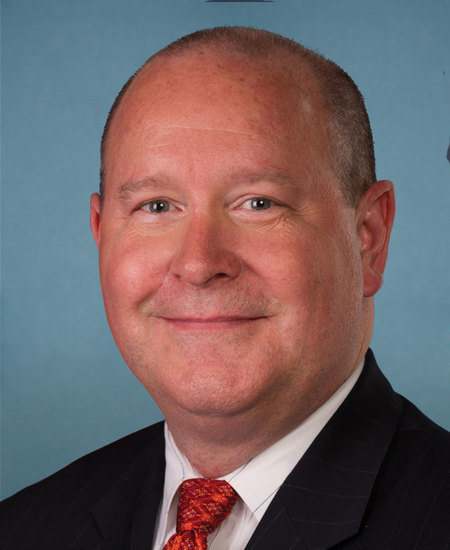
Rep. Larry Bucshon
Sponsored bills
Maddy summaryHRES 758 is a symbolic resolution designating the first Wednesday in October as National Energy Appreciation Day. It expresses the House's support for recognizing energy workers - across oil, gas, coal, nuclear, hydro, and renewable sectors - who power the U.S. economy and improve quality of life. The resolution cites statistics on energy's role in job creation (7.8 million U.S. jobs), poverty reduction, and national security, but does not create new laws or funding. As a non-binding resolution, it solely aims to raise awareness of the energy industry's contributions. (HRES 758, introduced October 3, 2023)
Maddy summaryThis resolution designates the week of September 25-29, 2023, as "National Clean Energy Week" to recognize the growing role of clean energy in the U.S. economy. It expresses support for clean energy jobs and innovation, noting the sector employed about 8.1 million people in 2022. The resolution encourages federal, state, and local investment in affordable clean energy technologies and promotes "commonsense solutions" for energy needs. As a symbolic gesture, it has no legal force or funding implications - it simply urges recognition of clean energy's economic and environmental contributions.
Maddy summaryThis bill directs the CDC to launch public education campaigns about blood clot risks, symptoms, and prevention, with special focus on high-risk groups including Black Americans, cancer patients, seniors, and hospitalized individuals. It creates a new 18-month advisory committee to study DVT/PE data collection, develop prevention guidelines, and recommend improved care standards for at-risk patients. The bill also mandates a federal study on electronic health record systems for better DVT/PE surveillance and authorizes $20 million annually for these efforts through fiscal year 2029. These provisions aim to reduce preventable deaths and improve early diagnosis, directly affecting millions at risk of blood clots nationwide.
Maddy summaryHRES 739 is a House resolution disapproving of a September 11, 2023, sanctions waiver that would release $6 billion in Iranian assets held in South Korea. The resolution states this waiver weakens U.S. policy by allowing Iran access to funds that could support its nuclear program and terrorism, and criticizes the delayed notification to Congress. It specifically condemns the administration's nonenforcement of mandatory sanctions and the release of assets without proper congressional review. The resolution demands the administration submit any Iran nuclear agreement to Congress before further sanctions relief. This is a procedural disapproval, not a law altering sanctions.
Maddy summaryThis bill amends the Public Health Service Act to improve how the Organ Procurement and Transplantation Network (OPTN) is operated. It changes the contracting process by allowing the Secretary to award grants, contracts, or cooperative agreements to public or private entities for the OPTN, with specific provisions to ensure distinct operations for the network and its governing board. The bill also includes technical corrections to existing law and requires a GAO review of the OPTN's historical financing within two years of enactment. This legislation directly affects the organizations and processes managing organ donation and transplantation in the United States.
Maddy summaryThis bill amends the Natural Gas Act to give the Federal Energy Regulatory Commission (FERC) exclusive authority to approve or deny applications for U.S. natural gas export facilities (including LNG terminals) to foreign countries. It removes existing requirements for other federal agencies to review such projects, though it preserves their roles in other areas. The bill also adds a new provision clarifying that the President retains authority under existing laws (like sanctions or national security powers) to block exports, including to countries designated as "state sponsors of terrorism." The bill directly affects LNG exporters, FERC, and the President’s national security decision-making regarding gas exports.
Maddy summaryThe Biomanufacturing and Jobs Act amends the USDA's BioPreferred Program to increase federal purchasing of biobased products made from agricultural commodities like corn and soybeans. It requires federal agencies to annually update their procurement targets for biobased products, establishes a new USDA task force to coordinate biobased product programs, and creates new labeling and reporting requirements. The bill affects federal procurement agencies, USDA's programs, and manufacturers of biobased products including personal care items, paints, construction materials, and textiles. Key mechanisms include mandatory federal procurement targets, annual updates to procurement requirements, training for procurement staff, and public marketing initiatives to promote biobased products.
Maddy summaryHR 1435, the Preserving Choice in Vehicle Purchases Act, amends the Clean Air Act to restrict states from implementing vehicle emissions rules that limit the sale or use of new gasoline-powered cars. It directly affects states with stricter emissions standards (like California) by adding a new definition that blocks state rules "directly or indirectly" limiting internal combustion engine vehicles as defined in federal regulations as of January 1, 2023. The bill requires the EPA to revoke existing state emissions waivers granted between January 2022 and the bill’s enactment if they don’t comply with this new definition. This creates a concrete federal standard preventing states from advancing policies that could reduce demand for conventional vehicles.
Maddy summaryThe Humane Cosmetics Act of 2023 bans cosmetic animal testing in the United States, prohibiting companies from conducting or contracting such testing after its enactment (effective 1 year later). It also bans selling or transporting cosmetics developed using animal testing conducted after that date within U.S. interstate commerce. The law directly affects cosmetic manufacturers, retailers, and suppliers operating in the U.S. market, requiring them to use non-animal testing methods for safety evaluations. Exceptions exist for foreign regulatory requirements or when no alternative testing methods are available for specific ingredients.