

Maddy summaryThis House resolution (HRES 701) symbolically supports expanding the Abraham Accords on their third anniversary by urging the U.S. government to encourage more countries to normalize relations with Israel and deepen economic cooperation among existing signatories. It recommends promoting regional collaboration in areas like clean energy, security, and trade, while linking expanded ties to progress on Israeli-Palestinian peace efforts. The resolution has no legal effect - it expresses congressional support but does not create new laws or obligations. It directly affects U.S. diplomatic strategy toward Middle East relations, emphasizing symbolic endorsement over concrete policy changes.
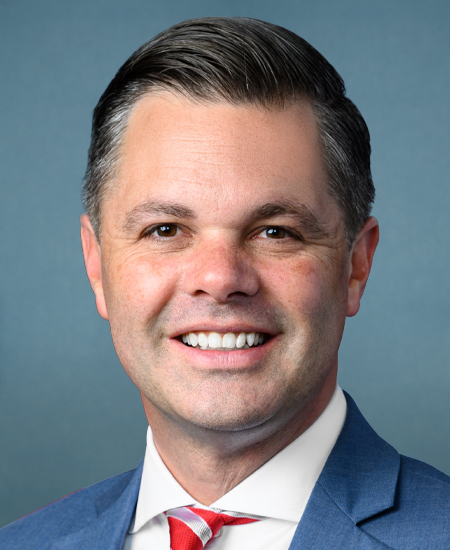
Rep. Zachary Nunn
Sponsored bills
Maddy summaryHR 5565, the BRIDGE Act, requires the U.S. government to develop a coordinated strategy to counter China's Belt and Road Initiative (BRI). Specifically, it mandates that the State Department and Commerce Department submit a comprehensive report within 180 days detailing China's BRI efforts, U.S. counter-strategies, and gaps in current policy, followed by a detailed implementation plan within one year. The report must include specific metrics, evaluation methods, and alignment with broader national security goals, particularly for the Indo-Pacific region. This legislation directly affects U.S. federal agencies (State, Commerce, USAID) and requires them to coordinate with Congress on a unified response to China's economic and geopolitical influence.
Maddy summaryThe Biomanufacturing and Jobs Act amends the USDA's BioPreferred Program to increase federal purchasing of biobased products made from agricultural commodities like corn and soybeans. It requires federal agencies to annually update their procurement targets for biobased products, establishes a new USDA task force to coordinate biobased product programs, and creates new labeling and reporting requirements. The bill affects federal procurement agencies, USDA's programs, and manufacturers of biobased products including personal care items, paints, construction materials, and textiles. Key mechanisms include mandatory federal procurement targets, annual updates to procurement requirements, training for procurement staff, and public marketing initiatives to promote biobased products.
Maddy summaryHR 4935 modifies the Commodity Futures Trading Commission's (CFTC) customer protection fund to increase the annual cap for education initiatives from $100 million to $300 million. It creates a separate account within the fund specifically for customer education programs and related administrative expenses, allowing the CFTC to use these funds without annual congressional approval or fiscal year limits. The bill ensures that transfers to this separate account cannot exceed $10 million in balance, preventing excessive accumulation. This directly affects how the CFTC manages and allocates resources for investor education and program administration.
Revitalizing Rural Communities Act of 2023 This bill reauthorizes the Department of Agriculture's Rural Economic Development Loan and Grant program through FY2028 to provide funding for rural projects through local utility organizations.
Naturally Offsetting Emissions by Managing and Implementing Tillage Strategies Act of 2023 or the NO EMITS Act of 2023 This bill directs the Department of Agriculture (USDA) to carry out activities to improve soil health, including to address climate change. Specifically, USDA must establish a program that provides agricultural producers incentives (i.e., payments) for and technical assistance with adopting or maintaining practices or cropping systems to improve soil health, award grants to states and Indian tribes for implementing soil health programs, and use a portion of funds of the Commodity Credit Corporation to provide agricultural producers with technical assistance for mitigating and adapting to climate change. The bill also (1) makes practices related to livestock production eligible for certain competitive grants under the On-Farm Conservation Innovation Trials program, and (2) increases funding for the program.
This resolution expresses support for the designation of National Kinship Care Month and encourages Congress to work to improve outcomes for kinship caregivers and their families.
Maddy summaryThis bill requires parties in civil lawsuits to disclose any foreign entities funding their case - including names, addresses, and countries of origin - within 30 days of filing or signing funding agreements. It specifically prohibits foreign governments and sovereign wealth funds from funding litigation where payment depends on the case outcome, banning such agreements entirely. Parties must also certify if foreign money is used and submit annual reports to Congress detailing foreign funders, judicial districts involved, and case types. The law applies to all civil cases filed after enactment, aiming to increase transparency about foreign influence in U.S. courts.
Maddy summaryThis bill prohibits U.S. foreign aid to countries determined by the President to use foreign commercial spyware against U.S. persons. It requires the President to assess if a country has acquired such spyware, used it against journalists or activists, or failed to address misuse before blocking aid. The prohibition excludes military assistance and allows a presidential waiver for national security reasons. The President must annually report to Congress on spyware use by countries receiving aid, using intelligence community data.
Maddy summaryHR 3152, the "Fight CRIME Act," aims to maintain international restrictions on Iran's missile-related activities by requiring diplomatic efforts to extend these restrictions before they expire in October 2023. The bill mandates annual reports detailing U.S. diplomatic strategies, potential impacts of expiration, and measures to deter missile technology transfers to Iran. It establishes sanctions against foreign individuals or entities that knowingly support Iran's missile or drone programs, including asset freezes and visa restrictions. These sanctions apply regardless of whether UN restrictions remain in effect after their expiration, directly affecting foreign entities involved in these activities.