Maddy summaryThis bill amends the 2022 Camp Lejeune Justice Act to clarify and correct technical details. It updates eligibility requirements for claimants (requiring 30 days at Camp Lejeune and defining "latent harm" instead of "latent disease"), clarifies court jurisdiction for cases, and specifies attorney fee structures (20% pre-litigation, 25% post-litigation). The changes directly affect individuals who developed health issues due to contaminated water at Camp Lejeune, streamlining their legal process under the existing 2022 law.
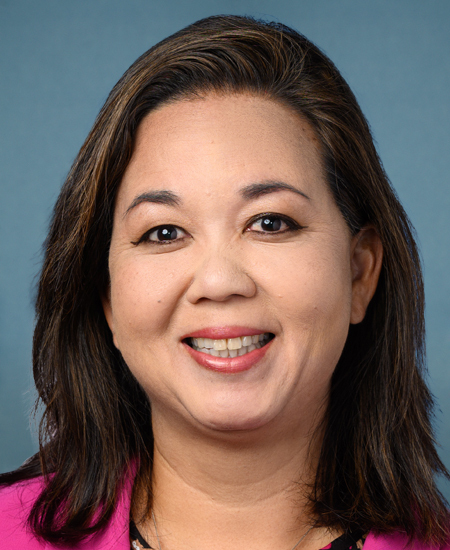
Rep. Jill N. Tokuda
Sponsored bills
Maddy summaryHR 895, the Combating Organized Retail Crime Act of 2023, expands federal law to better prosecute organized retail theft by amending sections 2314 and 2315 of Title 18. It clarifies that crimes involving stolen goods valued at $5,000 or more over 12 months - including retail theft - can be prosecuted under existing federal statutes, and broadens definitions to include goods taken via "any facility of interstate or foreign commerce." The bill also creates a new Organized Retail Crime Coordination Center within Homeland Security, requiring it to coordinate federal, state, and local law enforcement efforts, share threat information with retailers, and produce annual public reports on trends. This directly affects law enforcement agencies, retailers, and criminal justice systems by standardizing prosecution thresholds and enhancing interagency collaboration.
Maddy summaryHR 8501 prohibits the U.S. government from issuing licenses to export certain defense articles to the United Arab Emirates (UAE) or its agencies. This ban takes effect immediately upon the bill's enactment and continues until the President certifies to Congress that the UAE has stopped providing material support to Sudan's Rapid Support Forces (RSF). The restriction applies specifically to military equipment listed in Categories I-VIII, XIV, XVI-XVIII of the U.S. Munitions List (e.g., weapons, vehicles, and related technology). The bill directly affects U.S. defense exporters and the UAE government, requiring congressional oversight before exports can resume.
Maddy summaryHR 8469, the Diverse Cybersecurity Workforce Act of 2024, requires the Cybersecurity and Infrastructure Security Agency (CISA) to establish a new program within its existing education initiative. The program targets underrepresented groups in cybersecurity, including racial and ethnic minorities, women, veterans, people with disabilities, older individuals (40+), those from low-income backgrounds, and people with nontraditional educational paths (like community colleges or HBCUs). CISA must tailor outreach to schools, unions, community colleges, and local workforce offices to promote cybersecurity careers in these communities. The bill authorizes $20 million annually (2025-2030) and mandates annual reports to Congress on the program's impact on workforce diversity.
Maddy summaryHR 8478, the Empowering States to Protect Seniors from Bad Actors Act, creates a federal grant program to help state agencies combat financial fraud targeting seniors. The bill authorizes $10 million annually (2025-2030) for competitive grants to state securities commissions and insurance departments, capped at $500,000 per agency per year (or $1 million for combined agencies). Grant funds can be used to hire staff, provide training, develop educational materials, and improve state laws to prevent and investigate fraud against seniors aged 62+ - including cases involving caregivers or fiduciaries. States must submit detailed plans to identify victims, support investigations, and report annually on fund usage and program effectiveness.
Maddy summaryThis bill reauthorizes existing mental health support programs for healthcare professionals under the Dr. Lorna Breen Act. It extends funding and reporting periods for two key initiatives: (1) an education campaign encouraging healthcare workers to access mental health services, and (2) programs promoting mental wellness within healthcare workplaces. The bill updates the timeline from 2022-2024 to 2025-2029 for both programs and requires grantees to focus on reducing administrative burdens for healthcare workers. It directly affects healthcare professionals by maintaining access to mental health resources and supports eligible entities like hospitals and health systems administering these programs.
Maddy summaryHR 8422 creates new federal programs to address mental health needs after major disasters. It authorizes FEMA to deploy mobile mental health crisis units for up to two years post-disaster, staffed by trained professionals providing culturally appropriate care like crisis counseling. The bill also establishes $44 million annually in grants for states and tribal governments to fund mental health services, prioritizing areas with the highest unmet needs. Additionally, it requires FEMA to research how disasters impact mental health disorders across different communities, including racial and socioeconomic groups.
Maddy summaryHR 8383, the Rural Obstetrics Readiness Act, creates a federal program to improve emergency obstetric care in rural areas lacking dedicated obstetric units. It authorizes $5 million (2025-2027) for training programs that teach non-obstetric rural healthcare providers to handle emergencies like severe bleeding, high blood pressure, or mental health crises during pregnancy or postpartum. The bill also allocates $15 million (2025-2028) for grants to rural hospitals and consortia to purchase equipment, hire staff, integrate training, and develop transfer protocols for obstetric emergencies. Additionally, it funds a $5 million teleconsultation pilot (2025-2028) to connect rural facilities with maternal health specialists via telehealth for urgent consultations. The program directly supports rural health facilities in designated maternity care shortage areas, aiming to expand access to emergency obstetric care.
Maddy summary# Summary of Legislative Text This is a comprehensive legislative proposal focused on addressing substance use disorder through public health approaches, with significant funding and program requirements. Key elements include: 1. **Major Funding Programs:** - **Subtitle A (Local Grants):** $3.0 billion annually (2024-2033) for local entities to provide prevention, treatment, and recovery services - **Subtitle B (State/Regional Grants):** $4.6 billion annually (2024-2033) for state-level programs - **Subtitle C (Other Grants):** $1.0 billion annually (2024-2033) for specific entities and underserved populations - **Subtitle D (Innovation/Training):** $1.5 billion annually (2024-2033) for training, research, and capacity building 2. **Key Program Requirements:** - Mandates for evidence-based treatment services across multiple levels of care - Requirements for cultural competency, particularly for Native American communities - Specific focus on harm reduction, prevention, and recovery support - Provisions for naloxone distribution and overdose reversal programs 3. **Regulatory Changes:** - New certification requirements for covered manufacturers, distributors, and dispensers of Schedule II controlled substances - Penalties for failure to submit certifications or submitting false certifications - Creation of a "Comprehensive Addiction Resources Fund" for penalty revenues 4. **Focus Areas:** - Prevention services (including trauma-informed approaches) - Early intervention services - Recovery support services - Harm reduction programs - Workforce development for treatment providers - Special attention to underserved populations (rural communities, racial minorities, formerly incarcerated individuals) 5. **Funding Priorities:** - 10% of funds for Native American communities - Specific requirements for cultural competency and language access - Mandated data collection and reporting systems This legislation represents a significant shift toward public health approaches to substance use disorder, emphasizing prevention, treatment, and recovery support rather than punitive measures, with substantial funding commitments over a decade.

Maddy summaryThe Public Service Freedom to Negotiate Act of 2024 establishes federal minimum standards for collective bargaining rights for public employees and supervisory employees. The Federal Labor Relations Authority will determine if each state's laws "substantially provide" for these rights, and if not, federal standards will apply to that state. These standards include the right to self-organization, collective bargaining, recognition of labor organizations, and procedures for resolving disputes. The bill preserves existing collective bargaining agreements and excludes certain employee categories like emergency services workers from some provisions.