

Maddy summaryThe SHIP Act imposes sanctions on foreign entities that knowingly handle Iranian petroleum, targeting those involved in port operations, transportation, refining, or ship-to-ship transfers of Iranian oil. Starting 90 days after enactment, the President must block assets, deny visas, and impose penalties on individuals or companies engaging in these activities, including family members or owners of sanctioned entities. It requires annual reports tracking Iran's oil exports, revenues, and key players like shipping companies and ports. The sanctions terminate if the President certifies Iran has stopped supporting terrorism and dismantled weapons programs.
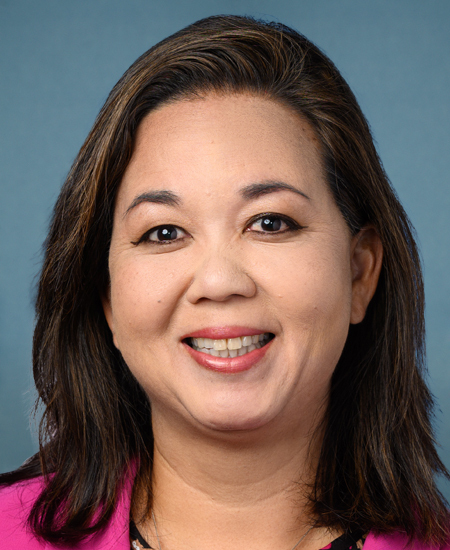
Rep. Jill N. Tokuda
Sponsored bills
Maddy summaryThe END Child Exploitation Act extends the required preservation period for reports of online child sexual exploitation submitted to the CyberTipline from 90 days to one year. It also allows the organizations submitting these reports (such as internet service providers) to voluntarily keep report contents - including any mixed content - for longer than one year to help prevent further exploitation. This directly affects companies and groups that use the CyberTipline to report child exploitation incidents. The key change is lengthening the mandatory retention period and enabling extended voluntary preservation to support law enforcement efforts.
Maddy summaryThis resolution expresses the U.S. House of Representatives' support for designating October 2023 as "National Co-Op Month" to commend the cooperative business model. It highlights how member-owned cooperatives - spanning agriculture, utilities, credit unions, housing, and food systems - create jobs, strengthen rural communities, and provide economic benefits like lower costs and democratic member control. The resolution specifically acknowledges cooperatives' role in supporting farmers, rural infrastructure (like electricity and broadband), and affordable housing. It does not create new laws or funding but formally recognizes cooperatives' positive societal impact.
Maddy summaryHR 6204, the "See the Board Act," establishes a federal grant program to provide free eye care services to students in public elementary and secondary schools. The bill directs the Health and Human Services Secretary to fund nonprofit organizations that operate mobile eye clinics using portable equipment to deliver screenings, exams, and glasses directly at schools. This program covers costs for equipment, personnel, and operational expenses, targeting students in schools defined under the Elementary and Secondary Education Act. The initiative is authorized for fiscal years 2024 through 2029.
Maddy summaryHR 6172, the AMMO Act, requires federal firearms licensees (dealers/manufacturers) to implement new rules for selling ammunition to non-licensed buyers. It prohibits transfers exceeding 100 rounds of .50 caliber or 1,000 rounds of other calibers within any 5-day period and mandates written certification from buyers confirming they haven’t exceeded these limits. Licensees must also conduct background checks through the National Instant Criminal Background Check System (NICS) before selling ammunition to non-licensed individuals, similar to firearm sales. The bill includes recordkeeping, signage, and reporting requirements for violations, with penalties including fines up to $250,000 for licensees and $50,000 for buyers making false statements.
Maddy summaryHR 6105, the No Toxics in Food Packaging Act of 2023, prohibits the use of specific chemicals in food packaging by deeming them unsafe under existing law. It directly bans ortho-phthalates (like DEHP and DBP), PFAS, certain bisphenols (including BPA), styrene, and antimony trioxide in all food contact materials. The bill requires the FDA to consider vulnerable populations - such as infants, pregnant women, and workers - when evaluating alternative substances. The ban takes effect two years after the bill's enactment. This law primarily affects food manufacturers, packaging producers, and the FDA's regulatory oversight of food contact substances.
Maddy summaryThis bill, the PROTECT Act, creates a federal initiative focused on reducing youth and young adult e-cigarette use. It directs the CDC to conduct research on youth e-cigarette use patterns, marketing, health impacts, and effective prevention strategies, while developing guidance for healthcare providers and schools. The initiative also mandates a public education campaign about e-cigarette risks and allocates $100 million annually (2024-2028) to fund state programs targeting youth tobacco prevention and cessation services. It directly affects youth and young adults (ages 13-24), healthcare systems, schools, and state health departments through these research, education, and funding mechanisms.
Maddy summaryHR 5976, the Youth Mental Health Research Act, establishes a new NIH research initiative led by the National Institute of Mental Health. The bill directs collaboration between three NIH institutes to coordinate research on youth mental health, focusing specifically on building community resilience for at-risk youth and improving how mental health services reach young people in schools, communities, and other settings where they live and work. It authorizes $100 million annually for fiscal years 2024 through 2028 to fund this research. The bill does not create direct services but aims to generate evidence to inform future mental health support strategies for young people.
Maddy summaryThe Promoting Access to Broadband Act of 2023 establishes two grant programs to increase enrollment in federal broadband assistance programs. It provides competitive grants to states to conduct outreach and help Medicaid enrollees, SNAP participants, and low-income residents apply for the Affordable Connectivity Program (ACP) and Lifeline. The bill also funds states to connect their benefit databases (like SNAP) to a national eligibility verifier, enabling automatic verification of program eligibility. This reduces administrative barriers for eligible individuals seeking affordable broadband service.
Maddy summaryThe Healthcare Workforce Resilience Act (HR 6205) reallocates unused employment-based immigrant visas from fiscal years 1992-2021 to directly support foreign nurses and physicians seeking permanent residency in the U.S. It creates 40,000 new visas - 25,000 for nurses and 15,000 for physicians - available only to those with petitions filed within three years of the bill’s enactment. The bill includes expedited processing without fees, exempts these visas from country limits, and requires employers to attest that hiring foreign workers won’t displace U.S. workers. This policy change specifically targets healthcare staffing shortages by streamlining pathways for qualified foreign healthcare professionals.