

Maddy summaryHR 4917, the Expanding the VOTE Act, amends the Voting Rights Act to increase language access for voters. It expands the definition of "voting materials" to include digital formats and requires states to provide language assistance (both written and oral) for minority language groups, with special provisions for American Indian and Alaska Native languages when written translations aren't feasible. The bill creates grants to help jurisdictions provide voting materials in languages that don't currently trigger Section 203 coverage, and mandates a study on lowering population thresholds for language assistance requirements. This directly affects states, local election jurisdictions, and voters who speak minority languages, including those in communities not currently covered by existing language access rules.
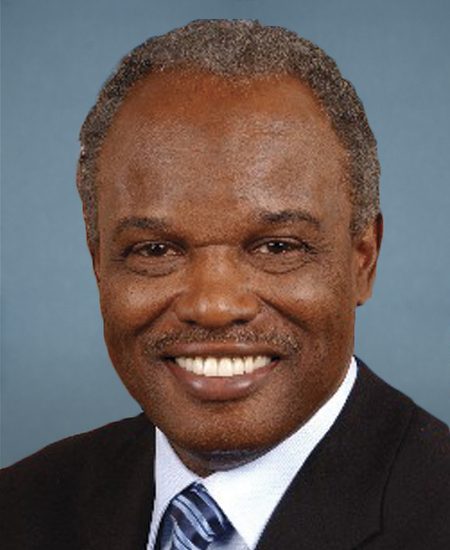
Rep. David Scott
Sponsored bills
Maddy summaryThe Sustaining Our Democracy Act establishes a federal program providing funding to states for election administration improvements, increased voter access, and protection of election workers. States must submit detailed plans for using funds to upgrade voting equipment, expand early and mail voting options, secure election infrastructure, and address disparities in voting access for underserved communities. The bill prohibits states from using funds for activities that restrict voting access or suppress participation, and creates an Office of Democracy Advancement and Innovation to administer the program. Funded through a $2.5 billion Trust Fund for fiscal years 2026-2035, this legislation directly affects all 50 states, the District of Columbia, and U.S. territories receiving federal election funding.
Maddy summaryHR 940 (FAIR Exams Act) requires federal banking regulators to deliver final examination reports to financial institutions within 60 days after an exit interview or when additional information is provided. It creates an Office of Independent Examination Review led by a presidentially appointed Director to handle appeals of material supervisory determinations, including investigating complaints and reviewing exam procedures. Financial institutions gain the right to request an independent review of exam findings within 60 days, with the Director making final recommendations to regulators within 60 days, and prohibits retaliation for using these appeal rights. The bill directly affects all federally regulated banks, credit unions, and their representatives subject to federal examinations.
Maddy summaryH.J. Res. 108 proposes a constitutional amendment to remove legal immunity for federal officials, including the President, from criminal prosecution for actions taken while performing official duties. It would prohibit the President from granting pardons to themselves and eliminate the defense that "official authority" excuses violations of federal or state law (with limited exceptions for certain congressional actions). If ratified, this amendment would require Congress to pass implementing laws to enforce these changes. The proposal is currently in the House Judiciary Committee and requires approval by three-fourths of state legislatures to become part of the Constitution.
Maddy summaryThis bill prohibits life, disability, and long-term care insurers from denying coverage, canceling policies, or increasing premiums based solely on a person's status as a living organ donor. It directly protects living organ donors by preventing insurance discrimination unrelated to actual health risks. The bill also requires the Health and Human Services Secretary to update public educational materials about organ donation benefits, risks, and insurance impacts within six months of enactment. These materials will include information on the new insurance protections established by the bill. The law relies on state insurance regulators for enforcement of the insurance provisions.
Maddy summaryThis bill amends the Family and Medical Leave Act (FMLA) and federal employee leave rules to clarify that recovery from organ donation surgery qualifies as a "serious health condition." It directly affects private-sector workers covered by the FMLA and federal civil service employees. The key change adds "including recovery from surgery related to organ donation" to the definitions of serious health conditions in both the FMLA and federal leave statutes. This ensures eligible employees can use their existing family and medical leave benefits to recover after donating an organ, without requiring new leave entitlements.
Maddy summaryThis bill requires the Securities and Exchange Commission (SEC) to regularly review and update its definition of "small entities" (such as small businesses and organizations subject to SEC regulations). Every five years, the SEC must study whether the current definition aligns with regulatory goals, reflects market growth, and covers a meaningful number of entities, then submit detailed recommendations to Congress. The SEC must revise its rules based on these studies and adjust dollar thresholds in the definition annually to account for inflation using the Consumer Price Index. This directly affects small entities regulated by the SEC, ensuring their definition stays relevant to current market conditions.
Maddy summaryThe Black Farmers and Socially Disadvantaged Farmers Increased Market Share Act creates a new grant program to support food hubs that increase market access for socially disadvantaged farmers and ranchers. The program provides competitive grants for food hubs to develop infrastructure, equipment, and marketing services, with priority given to projects benefiting underserved communities. The bill also establishes a 25% tax credit for businesses that purchase agricultural products from these food hubs and requires USDA to prioritize purchasing from socially disadvantaged farmers in domestic food assistance programs. These provisions aim to address historical barriers to market access for socially disadvantaged farmers by supporting their participation in food distribution systems.
Maddy summaryThis bill requires colleges and high schools with athletic programs to create venue-specific emergency plans for heat-related illnesses. These plans must include symptom identification guides, visible posting in key locations (locker rooms, training facilities), and mandatory annual training for all athletes, coaches, medical staff, and administrators. Schools must also ensure quick access to cooling equipment and automatic defibrillators, and report annually on compliance. The law aims to prevent delays in treatment like those that contributed to Jordan McNair's death by mandating proactive, standardized protocols.
Maddy summaryHCONRES 44 is a symbolic resolution recognizing a health and safety emergency for children linked to the Trump administration's climate policies. It claims these policies - unleashing fossil fuel production, blocking renewable energy, and suppressing climate science - disproportionately harm children through increased air pollution, extreme weather, and denied access to climate data. The resolution calls for reversing these policies, restoring the EPA's mission, and ensuring climate action aligns with protecting children's rights. It does not enact new laws or change policy, but serves as a formal congressional statement of concern.