

Maddy summaryHR 5403, the CBDC Anti-Surveillance State Act, prohibits the Federal Reserve from issuing or facilitating central bank digital currency (CBDC) directly or indirectly to individuals through financial institutions. It specifically bans Federal Reserve banks from offering digital products to individuals, maintaining individual accounts, or using CBDC for monetary policy implementation. The bill also clarifies that its restrictions do not apply to existing physical cash or private, permissionless digital payment systems. This bill directly affects the Federal Reserve's ability to develop or deploy a government-run digital dollar. The law aims to prevent the Federal Reserve from creating a digital currency that could enable transaction tracking or government oversight of personal financial activity.
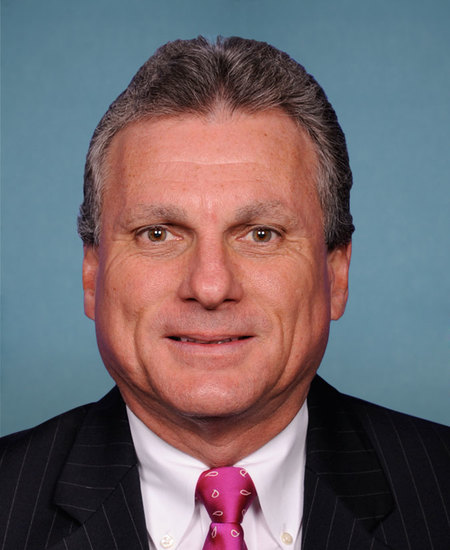
Rep. Earl L. "Buddy" Carter
Sponsored bills
Maddy summaryHJRES 153 is a joint resolution seeking congressional disapproval of a Federal Communications Commission (FCC) rule titled "Safeguarding and Securing the Open Internet; Restoring Internet Freedom," which was submitted on May 22, 2024. If passed, this resolution would nullify the FCC rule, preventing it from taking effect and preserving the previous regulatory framework that required internet service providers to treat all online content equally. The bill directly affects the FCC’s authority to implement this specific rule and would maintain existing net neutrality protections. It follows a procedural mechanism under Chapter 8 of Title 5, U.S. Code, for congressional disapproval of agency rules. The resolution does not alter current law but blocks the FCC’s proposed changes to internet regulation.
Maddy summaryHRES 1260 is a non-binding resolution expressing the U.S. House of Representatives' support for designating May 2024 as "Progressive Supranuclear Palsy Awareness Month." It recognizes progressive supranuclear palsy (PSP) as a rare neurodegenerative disease affecting approximately 30,000 Americans, with no known cure and symptoms including cognitive decline, balance issues, and speech difficulties. The resolution specifically supports raising public awareness, encourages research for better treatments and a cure, and commends efforts by patients, families, and organizations working to improve PSP care. As a symbolic gesture, it does not create new laws or allocate funding but aims to increase visibility for this under-recognized condition.
Maddy summaryHJRES 152 is a congressional resolution seeking to block an Environmental Protection Agency (EPA) rule on managing coal ash waste from power plants, specifically for older disposal ponds (legacy CCR surface impoundments). The rule, published on May 8, 2024, established requirements for electric utilities to handle coal ash, including safety standards for existing disposal sites. If passed, this resolution would prevent the EPA rule from taking effect, removing the compliance requirements for utilities. This directly affects electric utilities that manage coal ash and the EPA's regulatory authority over waste disposal practices.
Maddy summaryHRES 1251 is a non-binding House resolution honoring Rosalynn Carter's decades-long advocacy for mental health policy and reducing stigma. It commemorates her role as a national leader, including chairing the President's Commission on Mental Health (leading to the 1980 Mental Health Systems Act), founding The Carter Center's mental health program, and co-founding the Rosalynn Carter Fellowships for Mental Health Journalism. The resolution expresses the House's gratitude for her work advancing mental health parity, access to care, and support for vulnerable populations. It does not create new policy but formally recognizes her legacy and The Carter Center's ongoing efforts in mental health advocacy.
Maddy summaryThis bill reauthorizes the National Alzheimer's Project Act through 2035 (extending the previous deadline of 2025) and adds new requirements to promote healthy aging and reduce Alzheimer’s risk factors. It mandates the program to provide information on healthy behaviors that may lower cognitive decline risk and expands the advisory group to include representatives from agencies like the Department of Justice, FEMA, and Social Security Administration, plus experts with diverse clinical trial experience. The bill directly affects Alzheimer’s research, care programs, and the federal advisory group overseeing national efforts. Key changes include requiring annual evaluations instead of initial ones and adding a focus on reducing health disparities in Alzheimer’s initiatives.
Maddy summaryHR 895, the Combating Organized Retail Crime Act of 2023, expands federal law to better prosecute organized retail theft by amending sections 2314 and 2315 of Title 18. It clarifies that crimes involving stolen goods valued at $5,000 or more over 12 months - including retail theft - can be prosecuted under existing federal statutes, and broadens definitions to include goods taken via "any facility of interstate or foreign commerce." The bill also creates a new Organized Retail Crime Coordination Center within Homeland Security, requiring it to coordinate federal, state, and local law enforcement efforts, share threat information with retailers, and produce annual public reports on trends. This directly affects law enforcement agencies, retailers, and criminal justice systems by standardizing prosecution thresholds and enhancing interagency collaboration.
Maddy summaryThis bill requires the President to provide Congress with a 15-day written notice before pausing, delaying, or suspending U.S. arms shipments to Israel, including detailed justification and impact analysis. It establishes strict congressional review periods: 15 days for initial review, plus additional 10-12 day windows if Congress introduces a disapproval resolution, effectively giving lawmakers significant power to block such pauses. The bill directly affects the President and the White House by restricting unilateral decisions on military aid to Israel, specifically targeting delays like the May 2024 pause on bomb shipments. Key provisions define "covered defense articles" as weapons under existing export laws and mandate transparency about funding, end users, and potential impacts on Israel’s military edge.
Maddy summaryThis bill requires the U.S. Department of Defense and State Department to immediately deliver all previously approved military equipment and services to Israel within 15 days, reversing any pauses on arms transfers. It prohibits using federal funds to withhold, halt, or cancel defense article deliveries to Israel and mandates that unobligated security assistance funds for Israel must be spent by the end of 30 days. The bill also requires monthly reports to Congress detailing all security assistance provided to Israel since October 7, 2023, including specific items delivered and funding sources. The law directly affects U.S. agencies responsible for military aid and Israel as the recipient of the security assistance.
Maddy summaryThis bill reauthorizes existing mental health support programs for healthcare professionals under the Dr. Lorna Breen Act. It extends funding and reporting periods for two key initiatives: (1) an education campaign encouraging healthcare workers to access mental health services, and (2) programs promoting mental wellness within healthcare workplaces. The bill updates the timeline from 2022-2024 to 2025-2029 for both programs and requires grantees to focus on reducing administrative burdens for healthcare workers. It directly affects healthcare professionals by maintaining access to mental health resources and supports eligible entities like hospitals and health systems administering these programs.