

Maddy summaryHR 5239, the Gulf of Mexico Commerce Protection Act, prohibits the National Oceanic and Atmospheric Administration (NOAA) from creating a vessel slowdown zone in the Gulf of Mexico until the Commerce Secretary completes and reports on a study. The study must prove that any proposed whale protection measures (specifically for Rice’s whales) would not harm supply chains or maritime commerce. The bill requires the Commerce Secretary to develop and report findings within 60 days to specific congressional committees, and explicitly bans nighttime transit bans or fixed slowdown zones in the required mitigation protocols. This bill directly affects NOAA’s regulatory authority and the Commerce Department’s study process, delaying potential environmental rules pending congressional review.
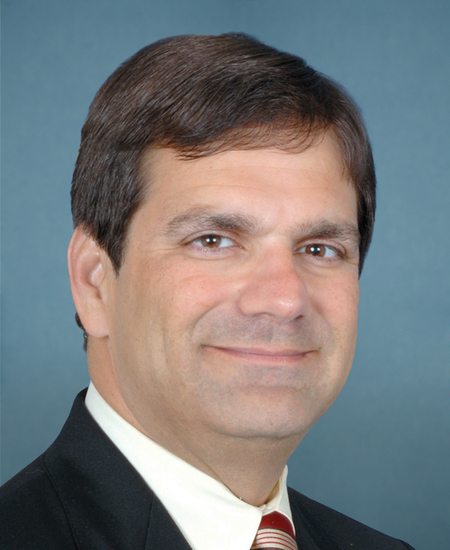
Rep. Gus M. Bilirakis
Sponsored bills
This bill requires various changes to the passport application process and addresses related issues. The bill requires all U.S. regular passports to contain a written notice advising travelers (1) to check travel.state.gov for updated travel warnings, (2) to register with the Department of State prior to overseas travel, (3) that many countries deny entry to travelers whose passport expires within six months, and (4) to renew their passports within at least one year of the expiration date. Further, the bill makes permanent existing State Department authority to assess a surcharge on the passport application fee to cover the costs of increased demand prompted by certain legal requirements. This authority currently expires on September 30, 2026. For three years starting from this bill's enactment, the State Department may use direct hire authority to expedite the hiring of individuals into Passport and Visa Examining positions (Series 0967). Finally, the bill requires the Department of State to report to Congress about passport processing wait times, agency plans for a public outreach campaign, and related information.
Maddy summaryThe Strengthening America's Families Act of 2023 establishes a federal program to create infant-toddler court teams that coordinate courts, child welfare agencies, and community services to support infants, toddlers, and their families experiencing or at risk of maltreatment. The bill authorizes $25 million annually for grants to states to establish or enhance these teams, requiring them to meet specific criteria including trauma-informed practices, preventing foster care placements, and addressing developmental needs. States receiving grants must work with a National Infant-Toddler Court Team Resource Center that provides technical assistance and collects data on program effectiveness. This program directly affects young children in the child welfare system, their families, and state child welfare systems by promoting coordinated, community-based support to improve outcomes.
Providing Essential Temporary Shelter Assistance For Emergencies Act of 2023 or the PETSAFE Act of 2023 This bill directs the Federal Emergency Management Agency (FEMA) to establish a pilot program to provide grants for mobile pet shelters during emergencies and major disasters. FEMA may provide funds to state, local, and tribal governments to establish a new pet shelter site that is a mobile unit, which may be a companion animal mobile equipment trailer, to be used in case of evacuation due to emergencies and major disasters. FEMA's authority to approve projects under this bill shall cease on January 1, 2029.
Maddy summaryHRES 624 is a non-binding resolution recognizing Gibraltar's right to self-determination regarding its status as a British Overseas Territory. It highlights that Gibraltarians have consistently voted (99.6% in 1967, 98.48% in 2002) to remain under UK sovereignty and notes U.S. military reliance on Gibraltar's facilities since 1801, including during WWII and the 2011 Libya operation. The resolution states the House honors Gibraltar's security contributions and affirms that Gibraltarians' views must be central to any future discussions about its status. It does not change U.S. policy or impose new obligations, merely expressing the House's position.
This resolution condemns Iran for the 1988 massacre of political prisoners. It also urges the Biden Administration and U.S. allies to publicly condemn the massacre and to pressure Iran to provide information to the families of the victims.
Maddy summaryHR 4922, the Lacey Act Amendments of 2023, establishes a new rule that generally prohibits importing non-native wildlife species (including mammals, birds, fish, amphibians, and reptiles) into the U.S. unless they were imported in "more than minimal quantities" during the year before the law passed or the Secretary of the Interior determines they pose no significant invasion risk. This directly affects importers and businesses handling non-native wildlife, requiring them to meet specific criteria to legally import such species. The bill also grants the Secretary emergency authority to immediately ban imports of a species deemed an imminent threat to humans, agriculture, or wildlife, with a 3-year limit on such bans. The new rules take effect one year after enactment, with the Secretary required to define "minimal quantities" within that timeframe.
Maddy summaryThis bill directs the U.S. Treasury to mint commemorative coins marking the Marine Corps' 250th anniversary in 2025. It authorizes three coin types: $5 gold coins (max 50,000), $1 silver coins (max 400,000), and half-dollar coins (max 750,000), with surcharges of $35, $10, and $5 respectively. The surcharge proceeds will fund the Marine Corps Heritage Center's educational programs, with no net cost to taxpayers as the Treasury must recover all minting costs through the surcharges. The coins can only be issued during 2025, and the Treasury must ensure all costs are covered before distributing funds to the Heritage Foundation.
Maddy summaryHR 4157, the "Not Just a Number Act," requires the Department of Veterans Affairs (VA) to produce annual reports on veteran suicide rates and their connection to VA healthcare and benefits. The reports must break down suicide rates by age, gender, and race, and examine how engagement with VA services (like Vet Centers, healthcare enrollment, benefits claims, and housing loans) correlates with suicide trends. The bill also mandates a VA toolkit for state/local coroners to improve veteran suicide death reporting, and a study on creating a dedicated VA suicide prevention office. These measures aim to standardize data collection and identify effective prevention strategies, directly affecting VA operations, congressional oversight, and veteran care systems.
Maddy summaryThe SWIFT Detection Act of 2023 amends federal health laws to allow states, localities, and tribes to use public health grants for wastewater testing to track trends in controlled substance use, provided evidence shows this method is effective. It also establishes a pilot program for public health laboratories to partner with public, private, and academic entities to detect fentanyl and similar synthetic opioids through wastewater analysis. The bill directly affects community health agencies and labs by adding wastewater surveillance as a tool for monitoring drug trends, without changing drug laws or treatment requirements. It focuses on data collection to inform public health responses to opioid use.