

Maddy summaryHR 6391, the Save Oak Flat from Foreign Mining Act, repeals Section 3003 of the 2014 National Defense Authorization Act that would have transferred Oak Flat (2,422 acres in Arizona’s Tonto National Forest) to Resolution Copper for mining. The bill withdraws Oak Flat from all public land use, preventing the foreign-owned mining venture (Rio Tinto/BHP) from extracting copper beneath the site for export to China. It directly protects the area, which is a sacred site for Indigenous peoples and a National Register Historic Property, from a mine projected to consume 250 billion gallons of groundwater over 40 years and cause significant land subsidence. The bill halts a process that would have allowed foreign corporations to mine copper from public land without requiring domestic smelting or benefiting U.S. consumers.
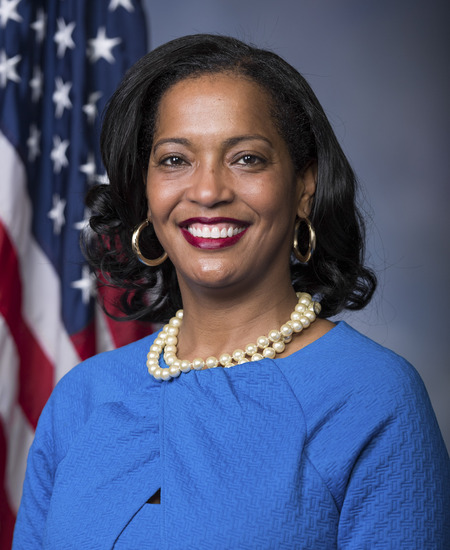
Rep. Jahana Hayes
Sponsored bills
Maddy summaryHRES 856 is a non-binding resolution expressing the House of Representatives' view that the U.S. Department of Agriculture (USDA) should use its existing contingency funds and interchange authority to fund the Supplemental Nutrition Assistance Program (SNAP) for November 2025. The resolution cites that the USDA holds over $5 billion in contingency funds set aside for emergencies and has legal authority under the Department of Agriculture Organic Act to transfer funds between nutrition programs to maintain SNAP benefits. This would directly support approximately 42 million people relying on SNAP, including 16 million children, 8 million seniors, 4 million people with disabilities, and 1.2 million veterans, preventing disruption during a potential funding gap. The resolution does not create new law but urges the administration to use existing resources to ensure continued food assistance.
Maddy summaryThe Artificial Intelligence Civil Rights Act of 2025 requires developers and deployers of AI systems that make decisions affecting "consequential actions" (such as employment, housing, healthcare, education, and credit) to conduct pre-deployment evaluations and annual impact assessments by independent auditors. The bill mandates transparency requirements including clear disclosures to individuals about how AI is used in decision-making, establishes a right to human alternatives for significant AI-driven decisions, and prohibits discrimination based on protected characteristics like race, gender, or disability. It creates enforcement mechanisms through the Federal Trade Commission, state attorneys general, and private lawsuits, with penalties including civil penalties of up to 4% of annual revenue. The act also requires developers to provide explanations for AI-driven decisions and sets standards for data collection to prevent harm and ensure fairness in critical life areas.
Maddy summaryHR 5731, the School Food Modernization Act, provides funding to help schools upgrade facilities and equipment for healthier meal programs. It authorizes $300 million in loan guarantees (covering up to 80% of costs) and $35 million annually for grants to support kitchen renovations, equipment purchases, and food safety improvements for local schools and tribal organizations. The bill also allocates $10 million yearly to fund training programs for school food service staff, developed by third-party organizations, to meet nutrition standards. These provisions directly affect public school districts, tribal schools, and their food service operations by enabling infrastructure upgrades and staff training.
Give Kids a Chance Act of 2025 This bill expands the Food and Drug Administration’s (FDA’s) authority with respect to research on rare pediatric diseases, including by permitting the FDA to take enforcement action against drug sponsors that fail to satisfy pediatric study requirements and by reauthorizing programs that support pediatric research. Specifically, the bill modifies requirements relating to molecularly targeted pediatric cancer investigations to permit research on new drugs in combination with active ingredients that have already been approved, provided certain conditions are met; permits the FDA to take enforcement action against drug sponsors that fail to comply with pediatric study requirements, if such sponsors demonstrated a lack of due diligence in satisfying the requirement; renews the FDA’s authority to award priority review vouchers to sponsors of new products intended to treat rare pediatric diseases through September 30, 2029; and reauthorizes through FY2027 certain funding for the National Institutes of Health to support priority pediatric research. The bill also provides statutory authority for the FDA’s interpretation of the orphan drug exclusivity period. The bill specifies, consistent with FDA regulations, that the seven-year market exclusivity period for drugs for rare diseases or conditions (i.e., orphan drugs) prohibits the approval of the same drug for the same approved use or indication with respect to the disease or condition. (In Catalyst Pharmaceuticals, Inc. v. Becerra , a court rejected the FDA’s interpretation and held that orphan drug exclusivity extends to all uses or indications for the disease or condition.)
Maddy summaryThe FRESHER Act of 2025 requires the Secretary of the Interior to study stormwater runoff impacts from oil, gas, and mining operations on groundwater and aquifers. It mandates a specific analysis of measurable contamination, groundwater resources, and aquifer susceptibility to contamination in affected areas. The study must be completed within one year of the bill's enactment, with results reported to Congress. This bill directly affects oil, gas, and mining operations by establishing new federal study requirements for their stormwater runoff.
Maddy summaryThis bill would expand Medicare Part B coverage to include medical nutrition therapy for beneficiaries with a wider range of chronic conditions beyond current limits (diabetes and kidney disease). It specifically adds conditions like obesity, hypertension, eating disorders, cancer, gastrointestinal diseases, and HIV to the list of covered illnesses, allowing coverage for prevention, management, or treatment. The bill also allows more healthcare providers - including dietitians, nurse practitioners, and clinical psychologists - to deliver these services. This change would directly affect millions of Medicare beneficiaries managing these conditions who previously lacked coverage for medically necessary nutrition therapy.
Maddy summaryThe Healthy MOM Act (HR 6242) would require health insurance plans to provide a special enrollment period for pregnant individuals beginning when pregnancy is reported to the insurer. It mandates that group health plans and health insurance issuers cover maternity care, including childbirth and postpartum care, for all dependents regardless of age. The bill would extend Medicaid coverage for pregnant individuals and infants to 12 months postpartum (instead of ending at 60 days postpartum) and make this 12-month coverage permanent. These provisions would directly affect pregnant individuals, women with dependent children who are pregnant, and health insurance plans and Medicaid programs.
Maddy summaryThis bill expands Medicare's drug price negotiation program to cover 50 drugs (up from 20) and requires health insurers to apply negotiated prices to cost-sharing for beneficiaries. It establishes annual out-of-pocket cost-sharing limits for prescription drugs under group health plans and insurance coverage, with specific limits of $2,000 for self-only coverage in 2027 that will increase annually. The bill also sets specific cost-sharing limits for insulin products, requiring coverage with no deductible and cost-sharing of no more than $35 per 30-day supply or 25% of the negotiated price. These provisions affect Medicare beneficiaries, people with group health plans, and health insurers across the country. The bill applies to plan years beginning on or after January 1, 2027.
Maddy summaryHR 6181, the John Lewis Every Child Deserves a Family Act, prohibits child welfare agencies receiving federal funds from discriminating against children, youth, or prospective foster/adoptive parents based on religion, sex (including sexual orientation and gender identity), or marital status. It directly affects LGBTQ youth in foster care - overrepresented at 30% of the system - who face higher risks of trauma, group home placements, and suicide attempts compared to non-LGBTQ peers. Key provisions require agencies to collect data on sexual orientation and gender identity, establish a National Resource Center for LGBTQ youth support, provide cultural competency training, and eliminate discriminatory practices. The law aims to improve safety, permanency, and placement stability by expanding access to family-based care and ensuring equitable services for all children in the system.